




Deconstructing the Sticker Shock
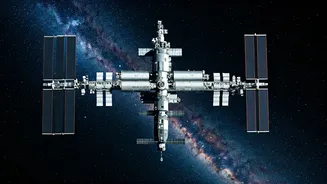
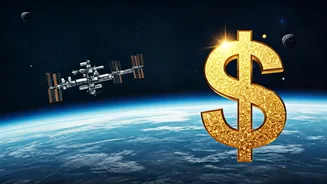
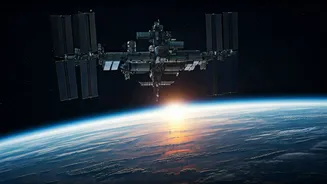
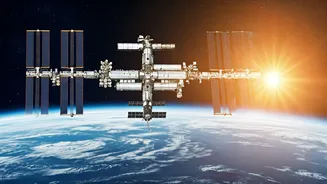
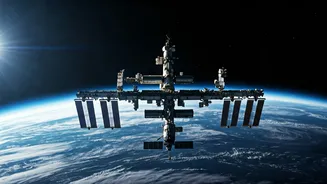
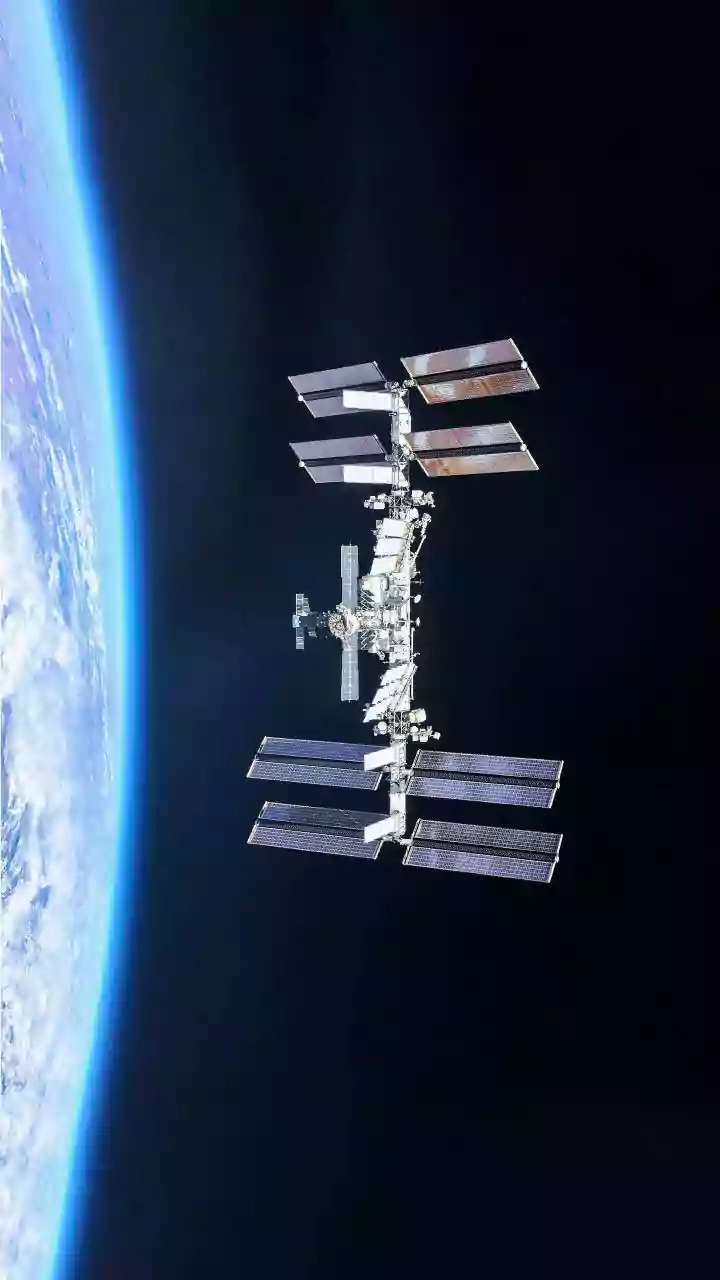
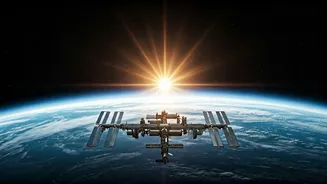
The total cost to develop, assemble, and operate the International Space Station is estimated at a staggering $150 billion. This figure makes it the most expensive single item ever constructed. To put that in perspective, it dwarfs other massive undertakings
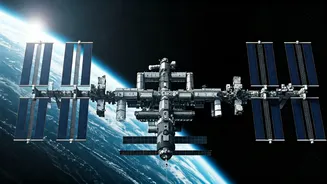
like the Large Hadron Collider or the world's most advanced aircraft carriers. The initial cost wasn't a single cheque; it was a complex accumulation of expenses over decades. It includes the design and construction of dozens of pressurised modules, the cost of the 36 Space Shuttle flights needed to haul them into orbit, and the intricate robotics required for assembly in zero gravity. Think of it as building a house the size of a football field, but every nail and solar panel had to be launched into space at immense cost.
A Global Partnership Pays the Bill
The ISS is not owned by one nation but is a joint project between five space agencies: NASA (United States), Roscosmos (Russia), JAXA (Japan), ESA (Europe), and CSA (Canada). While the United States shouldered the majority of the cost, the partnership was crucial. Contributions weren't just financial. Different countries built different parts. For example, Russia provided key early modules and the ongoing Soyuz crew transport, while Canada contributed the station's robotic arm, Canadarm2. This international collaboration, born from the post-Cold War era, was both a diplomatic triumph and a logistical challenge that added to the overall complexity and expense.
The High Cost of Keeping the Lights On
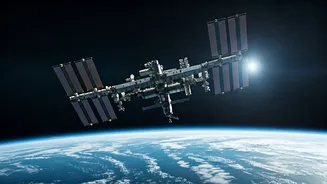
The initial $150 billion is only part of the story. The annual operating costs to keep the station running are between $3 to $4 billion. This yearly budget covers everything from crew and cargo transportation missions to systems maintenance, scientific research, and the salaries of thousands of ground support staff worldwide. Simply keeping the ISS in its orbit requires about 7.5 tonnes of chemical fuel every year for periodic boosts, at a cost of hundreds of millions of dollars. Every supply run, whether it's carrying food, water, or new experiments, is an expensive undertaking, making a tortilla eaten in space a very costly meal.
The Return on Investment: Science and Discovery
For such a colossal investment, the returns are not measured in profit, but in knowledge. The ISS is a unique laboratory where thousands of experiments have been conducted in a microgravity environment. This research has led to breakthroughs in medicine, from developing cancer treatments to better understanding muscle atrophy and bone loss, which also affects people on Earth. Scientists have used the station to create a fifth state of matter, Bose-Einstein condensate, and have developed advanced water purification systems that are now used in at-risk areas globally. The station's unique vantage point also provides invaluable data for monitoring Earth's climate and ecosystems.
An End-of-Life with a Price Tag
After more than three decades of planned service, the ISS is scheduled for decommissioning around 2030. However, retiring a structure of this size from orbit is a complex and costly task in itself. To ensure it comes down safely without endangering populated areas, NASA has awarded a contract for nearly $1 billion to develop a specialized vehicle that will guide the station to a controlled and fiery re-entry over a remote part of the Pacific Ocean. This final cost is a bookend to a project defined by its immense scale, from its ambitious beginning to its carefully planned end.