





The Environment Tells a Story
Before you even look at a menu, take a 360-degree view of the eatery. A clean, well-maintained environment is your first green flag. Are the tables wiped clean? Is the floor free of litter and stagnant water? Pay attention to the location. A stall set
up near an overflowing drain or a garbage dump is at high risk for contamination. Flies and other pests are more common during the monsoons, and their presence is a major red flag. A vendor who has taken care to keep their surroundings tidy is more likely to be careful with their food as well. Look for basic hygiene infrastructure, such as a covered dustbin and a general sense of order. These small observations can tell you a lot about the overall commitment to cleanliness.
Watch the Water and Ice
Water is the primary culprit behind many monsoon illnesses like typhoid, cholera, and gastroenteritis. The risk of water sources getting contaminated is significantly higher during the rainy season. When eating out, always be cautious about the water you consume. It's safest to carry your own water bottle or purchase sealed, branded bottled water. Never accept tap water or water served from a jug. This caution extends to ice, which is often made from unfiltered tap water. Avoid cold beverages, juices, and anything with added ice unless you are absolutely sure of the water's purity. Raw chutneys and sauces, especially those like the 'pani' in pani puri, are often made with untreated water and should be approached with extreme caution, or avoided altogether.
Choose Your Dish Wisely
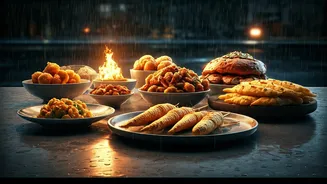
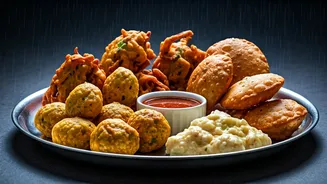
What you order matters just as much as where you order it. During the monsoon, it's best to favour foods that are cooked fresh and served piping hot. The high heat helps kill most harmful bacteria. This makes freshly fried snacks like samosas or pakoras, eaten immediately, a relatively safer bet than items that have been sitting out. Conversely, avoid raw or uncooked foods. Salads and pre-cut fruits, while usually healthy, can be risky as they may have been washed with contaminated water or exposed to germs. It's also wise to be cautious with seafood, as the monsoon is the breeding season for many fish, and spoilage can occur faster. Dairy products like paneer and curd can also spoil quickly in the humid weather, so ensure they are fresh.
The Street Food Dilemma
Street food is an integral part of Indian culture, and the thought of giving it up for months is disheartening. The goal isn't total avoidance but informed selection. When indulging in street food, observe the vendor's practices. Do they use gloves or tongs to handle food? Are ingredients kept in covered containers? A vendor who is actively cooking is often a safer choice than one selling pre-prepared food that has been sitting out. Look for visible hand-washing facilities or the use of hand sanitiser. While many experts advise against street food entirely, especially items like chaat, others suggest that by choosing vendors who prioritize hygiene and serve freshly cooked, hot food, you can significantly reduce your risk. An FSSAI license displayed at the stall can also be a sign of better standards.
Handling and Personal Hygiene
Your own habits play a crucial role in preventing illness. The most basic and effective step is to wash your hands thoroughly with soap and water before eating. If that's not possible, use an alcohol-based hand sanitiser. This simple act prevents the transfer of germs from your hands to your food. When you get takeout, transfer the food to your own clean containers and consume it promptly. Leftovers should be refrigerated immediately to prevent bacterial growth in the humid environment. If you are particularly concerned, you might consider getting your typhoid and hepatitis A vaccinations updated, as these can provide an extra layer of protection against common waterborne diseases.