


Catch the Last of the Perseids
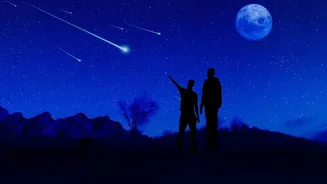
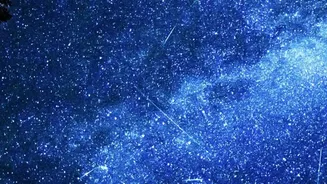
The famous Perseid meteor shower, one of the year's best, reached its dazzling peak around August 12-13. But don't worry if you missed it! The shower remains active until around August 24, meaning you can still spot stray meteors streaking across the sky.
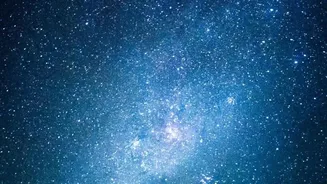
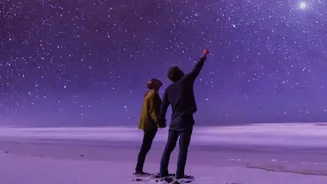
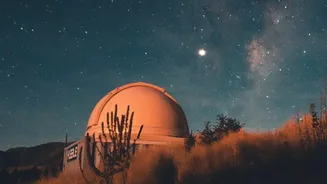
For your best chance, find a location away from city lights after midnight. Let your eyes adjust to the darkness for about 20-30 minutes, lie back, and look up. You might be rewarded with a few late, bright fireballs from the debris trail of Comet Swift-Tuttle. The good news is that the moon will be in its darker phases for much of this period, creating ideal dark-sky conditions for spotting these fleeting shooting stars.
The Full Sturgeon Moon and an Eclipse
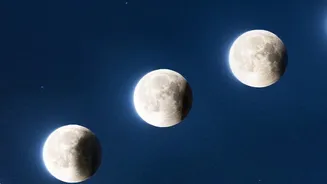
Mark your calendar for the night of August 27-28 for the month's full moon, traditionally known as the Sturgeon Moon. It will reach its peak illumination early on August 28. This name comes from the giant sturgeon fish that were historically easy to catch in North America's Great Lakes during this time of year. This year, the Sturgeon Moon offers a special treat: a deep partial lunar eclipse. While the most dramatic views of the eclipse will be from the Americas, observers in India may still notice a subtle dimming or change in hue as a large portion of the moon passes through Earth's shadow. The eclipse will cause the lunar disk to appear darker, and for those in prime viewing locations, it might even take on a reddish tint.
Saturn Begins Its Best Season
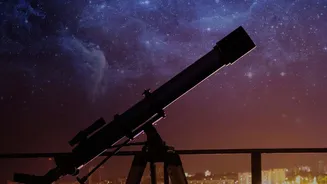
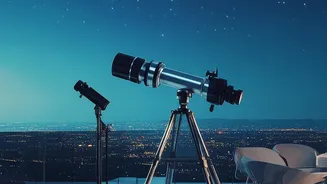
While the ringed planet Saturn won't reach its official opposition—its closest and brightest point for the year—until October 4, late August marks the beginning of its prime viewing season. As we move towards the end of the month, Saturn will rise earlier in the evening and will be visible for most of the night in the eastern sky. It will appear as a steady, bright, yellowish point of light. Even a basic telescope will reveal its famous rings, which have been tilting back towards Earth after appearing nearly edge-on in 2025. So, if you have access to a telescope, now is an excellent time to turn it towards the constellation Cetus and get a preview of Saturn before its big show in October.
General Stargazing Tips for August
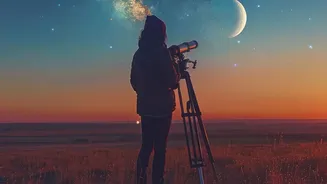
The late summer and monsoon season can bring cloudy skies, so it's important to be patient and take advantage of clear nights when they appear. To make the most of your stargazing, try to get as far away from city light pollution as possible. Your eyes need about 20 minutes to fully adapt to the dark, so avoid looking at your bright phone screen. A reclining chair or a blanket on the ground will help you watch the sky comfortably without straining your neck. While binoculars are great for getting a closer look at the Moon or star clusters, most events like meteor showers are best enjoyed with just your naked eye, allowing you to take in the widest possible view of the sky.