


The Rise of Living Sculpture
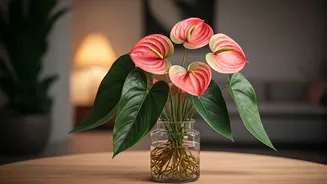
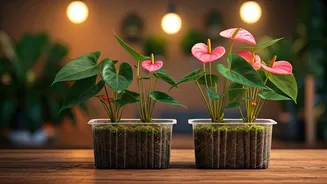
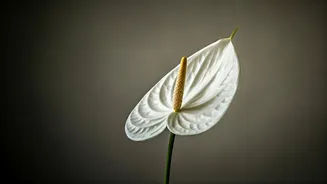
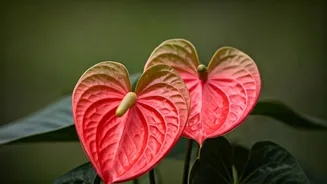
Forget the dusty ficus in the corner office. Today’s plant parent seeks something more: a living sculpture. And the Anthurium delivers. With its glossy, heart-shaped “flowers” (which are actually modified leaves called spathes) and dramatic foliage, it’s
a statement piece. Varieties range from the classic, lipstick-red Flamingo Flower to the collector’s dream Anthurium clarinervium, whose velvety, dark green leaves are etched with crystalline white veins. They don’t just occupy a space; they define it. This plant isn't just another bit of green. It’s an architectural element, a pop of shocking color, and a testament to the owner's discerning taste. In an age of fast furniture and disposable decor, the slow, deliberate growth of a beautiful Anthurium feels like a radical act of permanence.
The Quiet Magic of Propagation
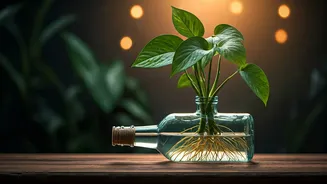
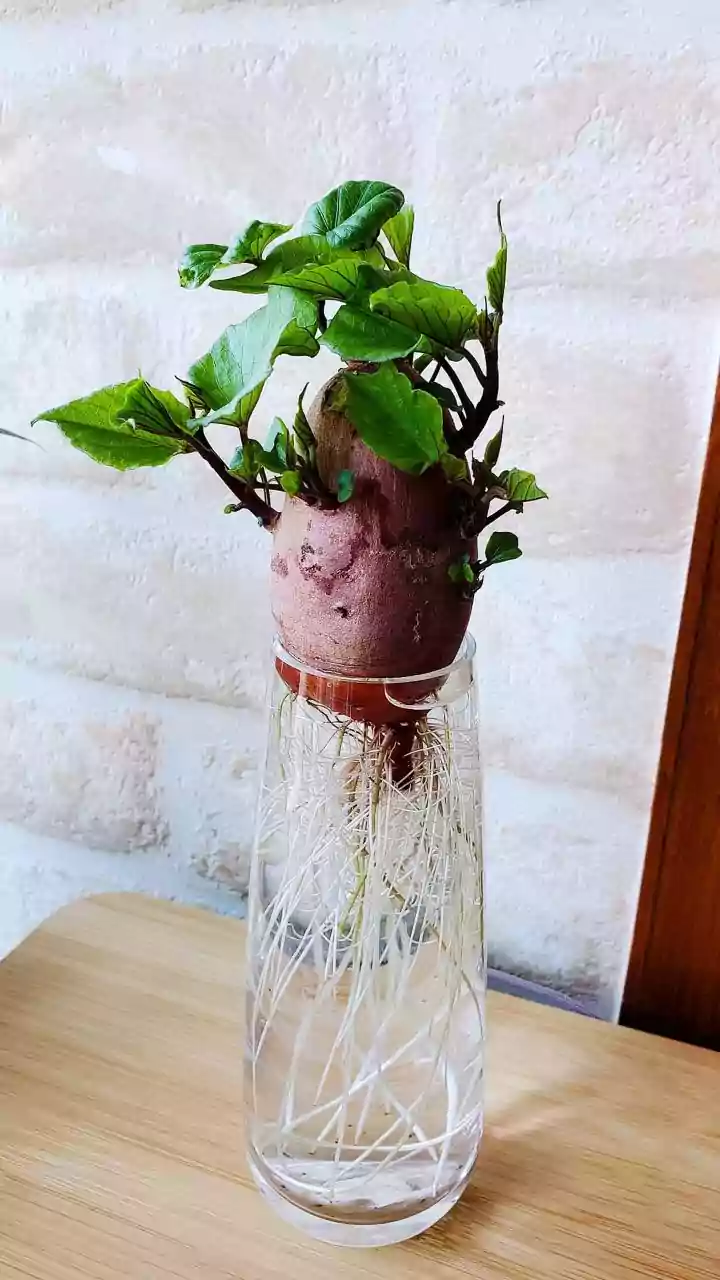
For the truly devoted, owning one perfect Anthurium is not enough. The real obsession lies in propagation—the almost magical act of creating new plants from a single parent. It’s a process that combines science, patience, and a touch of hope. Unlike simply buying a new plant, propagating one you’ve nurtured creates a deep, personal connection. It’s watching a small stem cutting, carefully placed in water or moss, slowly push out a delicate white root. It’s the thrill of seeing a new leaf unfurl from a division you nervously separated from the mother plant. Each successful propagation is a small victory, a confirmation of your skill and dedication. It transforms a consumer into a creator, turning a simple hobby into a dynamic, generative practice.
Why This Plant, Why Now?
So why the intense focus on Anthuriums? Part of the appeal is the challenge. They aren’t as forgiving as a snake plant or pothos. They require specific conditions: high humidity, bright but indirect light, and a careful watering schedule. This degree of difficulty makes success all the more satisfying. It’s a hobby that rewards attentiveness. In a world of constant distraction, caring for a finicky Anthurium is a mindfulness practice. Furthermore, the sheer diversity within the genus fuels a collector’s mindset. Once you have one, you learn about others—the rare, the unusual, the ones with iridescent leaves or otherworldly shapes. Social media platforms like Instagram and TikTok become digital greenhouses where enthusiasts share their prized specimens and trade propagation tips, fueling a friendly but fervent desire to acquire and grow the next beautiful variety.
Getting Started Without the Stress
The idea of propagating a pricey or delicate plant can be intimidating, but the entry points are simpler than they seem. The most common method for many Anthurium types is taking a stem cutting. This involves snipping a piece of the stem that includes at least one leaf and a node—the small bump where new roots will emerge. This cutting can be placed in water, sphagnum moss, or a chunky, airy potting mix to encourage rooting. Another popular technique is division, which is best done during repotting. If the plant has naturally formed distinct clumps at its base, you can gently tease them apart, ensuring each new section has its own root system, and pot them up individually. The key is to start with a healthy, mature plant and to use clean tools to prevent disease. It's less about having a perfect “green thumb” and more about being willing to learn and experiment.
The Ultimate Aesthetic Payoff
Ultimately, the obsession with propagating Anthuriums is about the aesthetic payoff, which extends far beyond a single plant. It’s about creating a lush, personal jungle filled with plants you brought into being. It’s the satisfaction of arranging a small family of related plants on a shelf, their shared lineage a secret story only you know. It’s having a ready supply of the most thoughtful, beautiful gifts for friends—a living piece of your own home. For the aesthetic plant parent, a propagated Anthurium isn’t just decor. It’s a clone, a descendant, and a symbol of their ability to foster life and beauty in their own small corner of the world.