






The Challenge: Returns vs. Liquidity
For most savers, the fixed deposit is a trusted tool. Its appeal lies in its predictability and safety. However, this safety often comes with a trade-off. To get the best interest rates, you typically need to commit your funds for a longer tenure, sometimes
three to five years or more. But what if you need that money sooner? Breaking an FD prematurely usually results in a penalty, reducing your earned interest. This forces a difficult choice: sacrifice returns for the flexibility of short-term FDs, or sacrifice liquidity for the higher earnings of a long-term deposit. This is a common problem for investors who want their money to work hard for them without being completely out of reach.
The Solution: Building an FD Ladder
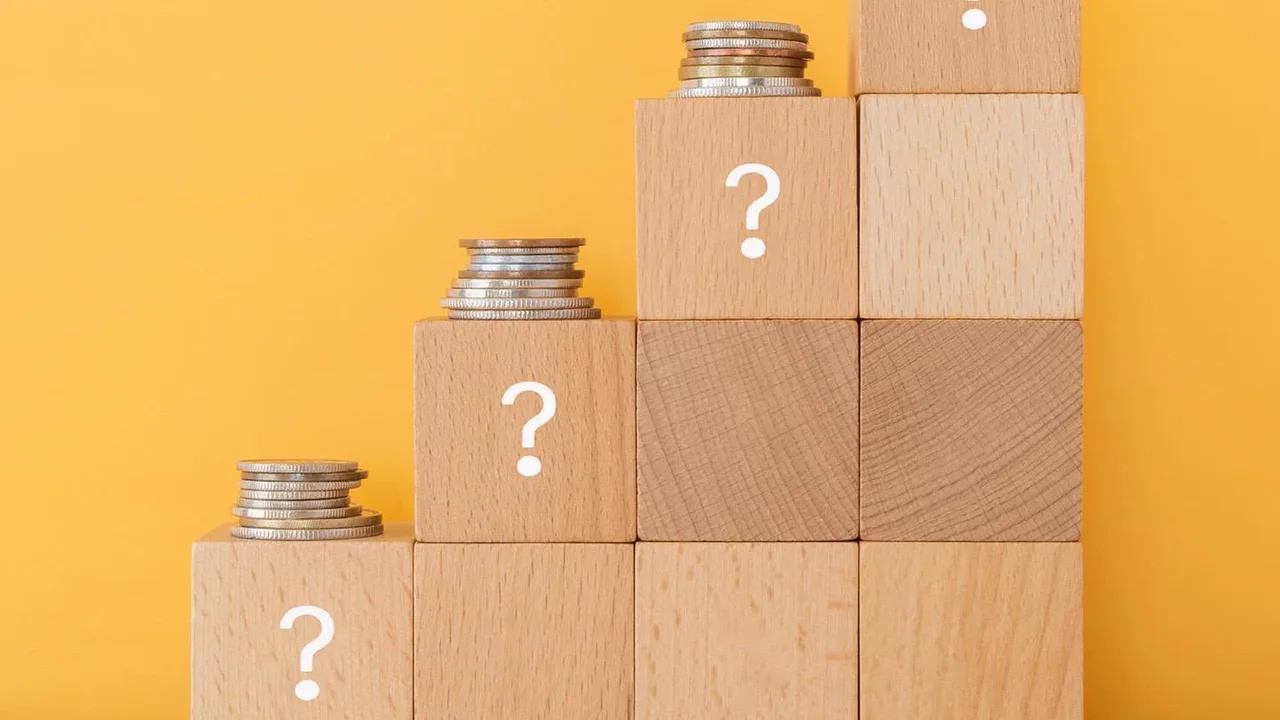
FD laddering is a simple yet powerful strategy that resolves this conflict. Instead of investing a lump sum into a single FD, you divide the amount into several smaller FDs with staggered maturity dates. Think of it like building a ladder with several rungs. Each 'rung' is a fixed deposit that matures at a different time, giving you regular access to a portion of your funds. This approach ensures that you always have some money becoming available at regular intervals, which dramatically improves your cash flow and financial flexibility.
A Step-by-Step Practical Example
Let’s see how it works in practice. Imagine you have ₹5 lakh to invest. Instead of putting the entire amount into one 5-year FD, you could build a five-rung ladder: FD 1: ₹1 lakh for a 1-year tenure FD 2: ₹1 lakh for a 2-year tenure FD 3: ₹1 lakh for a 3-year tenure FD 4: ₹1 lakh for a 4-year tenure * FD 5: ₹1 lakh for a 5-year tenure At the end of the first year, your ₹1 lakh FD matures. You now have a stream of cash (principal plus interest) available. You can either use this money for a planned expense or, to keep the ladder going, you can reinvest it.
Boosting Growth with Reinvestment
This is where the 'growth' part of the strategy comes into play. When your first 1-year FD matures, you can reinvest that amount into a new 5-year FD. The next year, when your original 2-year FD matures, you do the same. After a few years, you will have a rolling ladder where one FD matures every single year, and each is a long-term deposit earning a higher interest rate. This continuous cycle creates a predictable, annual cash flow while ensuring your money is always working to capture the best available long-term rates. If interest rates have risen since you started, your reinvested FDs will benefit from the higher rates, averaging up your overall returns over time.
More Than Just Cash Flow
The benefits of laddering extend beyond just providing regular liquidity. This strategy also helps mitigate interest rate risk. If you lock all your money into a single long-term FD and interest rates rise, you're stuck earning the lower rate. With a ladder, only a portion of your money is locked in at any given rate. As each FD matures annually, you get the opportunity to reinvest at the new, potentially higher rates. Furthermore, it helps with goal-based planning; you can align the maturity of different FDs with specific financial needs like paying for a vacation, a child's school fees, or annual insurance premiums. It also helps manage taxes, as the interest income is spread out over several years.