



The Great Urban Squeeze
Living in a major Indian city like Mumbai, Bengaluru, or Delhi often means navigating a paradox: career opportunities are expanding, but personal living space is contracting. For millions of students and young professionals, the answer is co-living, a model
built on shared spaces and community. The Indian co-living market is expanding rapidly, driven by urban migration and the demand for affordable, flexible housing. But sharing a home brings its own challenges, primarily how to maintain privacy and functionality when every square foot is precious. Traditional, bulky furniture designed for larger homes simply doesn't work. It consumes floor space, limits flexibility, and can make common areas feel cramped and chaotic.
The Rise of Transformer Furniture
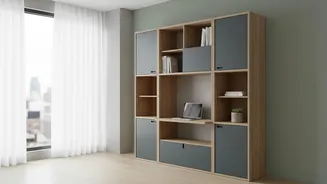
Enter multi-functional furniture, a design philosophy that is less a trend and more a practical necessity for modern urban life. This isn't just about a sofa that turns into a bed; it's about a complete rethinking of how objects occupy space. The new generation of furniture is modular, adaptable, and often serves two, three, or even four purposes. Companies and designers are creating pieces that transform throughout the day to meet different needs. This approach allows a single room to function as a living area, a dining room, a home office, and a bedroom, unlocking the full potential of a compact home.
Smarter Spaces, Not Just Bigger Ones
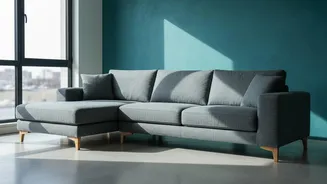
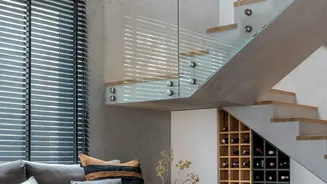
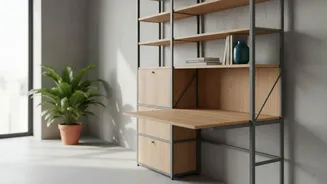
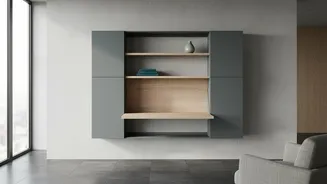
The innovation in this space is impressive. Imagine a bed that, with a simple lift, reveals a full workstation or extensive storage, eliminating the need for a separate desk or extra cupboards. Wall-mounted tables fold down for meals and disappear afterward, reclaiming valuable floor area. Sofas not only convert into guest beds but also come with hidden storage compartments and integrated charging ports. Nesting tables provide flexible surfaces that can be spread out when needed and tucked away neatly when not in use. These pieces are often designed with clean lines and lightweight materials to create an illusion of spaciousness, making rooms feel larger and less cluttered.
More Than Utility: Building Community
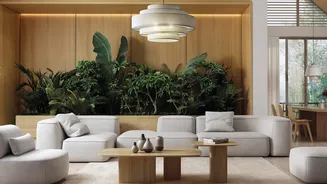
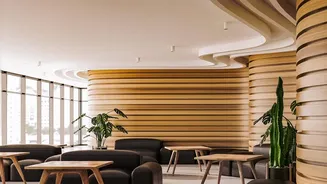
In a co-living context, the impact of this furniture goes beyond individual convenience. It shapes the social dynamics of a shared home. By using adaptable furniture, common areas can be quickly reconfigured. A lounge can transform into a collaborative workspace during the day, a movie screening room in the evening, or an open area for a weekend get-together. This flexibility encourages residents to use shared spaces more actively and interact with each other, fostering the sense of community that is central to the co-living concept. Efficient layouts and versatile furniture contribute to a more harmonious living experience, balancing private needs with collective activities.
The Future is Flexible and Integrated
The evolution of multi-functional furniture is increasingly tied to technology. We are beginning to see smart furniture that can be reconfigured with the press of a button or a voice command. Beds that fold themselves into the wall, desks that adjust their height automatically, and lighting integrated directly into shelving units are no longer science fiction. As materials become lighter and mechanisms more sophisticated, the line between furniture and technology will continue to blur. For the residents of India's ever-growing metro cities, this means homes that are not just smarter, but more responsive, comfortable, and ultimately, more liveable, no matter the size.