

Demystifying the Sourdough Starter
At its heart, a sourdough starter is a beautifully simple, living mixture of flour and water. Over time, this mixture traps wild yeast and beneficial bacteria from the environment, creating a natural leavening agent. Think of it like the process used
for other fermented Indian staples such as dosa or idli batter. Instead of commercial yeast, this vibrant culture of microorganisms does the work of making your bread rise, while also giving it that distinct, complex, and slightly sour flavour that makes sourdough so beloved. The process requires no special ingredients, just flour, water, and a little patience.
Choosing Your Indian Flours
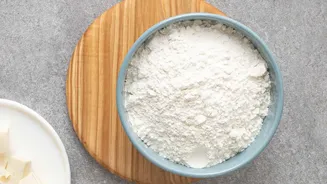
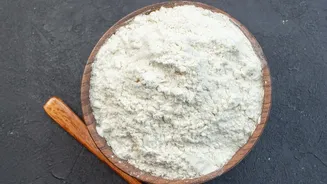
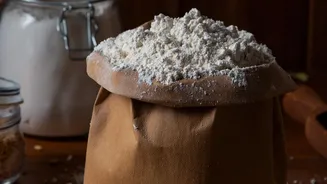
You do not need expensive, imported bread flour to begin your sourdough journey. Common Indian flours work wonderfully. Whole wheat flour (atta) is an excellent choice to kickstart your starter. Its bran and germ contain more nutrients and natural yeasts, which helps speed up the initial fermentation. All-purpose flour (maida) can also be used, and many bakers find success with a 50/50 blend of atta and maida to get the best of both worlds — the nutritional boost from atta and the strong structure from maida. The key is to use unbleached flour and filtered, non-chlorinated water, as chlorine can inhibit the growth of the delicate yeast and bacteria.
A Day-by-Day Creation Guide
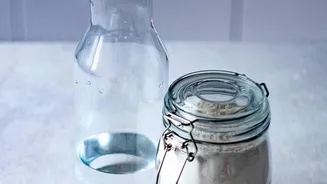
Creating a starter is a week-long process of observation and simple daily tasks. Start with a clean glass jar. Day 1: Mix equal parts by weight of your chosen flour (e.g., 50g) and lukewarm water (50g). Stir until it forms a smooth, thick paste. Cover the jar loosely—a cloth or a lid placed on top without sealing it works well—and leave it at room temperature. Day 2: You might not see much activity, and that's perfectly fine. Just let it rest. Day 3: You should start to see some bubbles and a faintly tangy smell. It's time for the first feeding. Discard about half of the starter, then add fresh flour and water (e.g., 50g each) to what remains. Mix well, cover loosely, and wait. Days 4-7: Repeat the process of discarding half and feeding daily. You will notice the starter becoming more active, with more bubbles and a predictable rhythm of rising and falling a few hours after each feed. By Day 7, your starter should be bubbly, active, and have a pleasant, yeasty aroma. It should roughly double in volume after feeding.
Thriving in the Indian Climate
India's generally warm and humid climate can be a huge advantage for sourdough, as fermentation happens much faster. In cooler climates, a starter might take 12 hours to peak, but in a warm Indian kitchen, it could be ready in just 6-8 hours. This means you need to be more observant. If your starter rises and collapses very quickly or smells strongly of alcohol or vinegar (a sign of hunger), you may need to feed it twice a day, especially during summer. Using cooler water for feedings can also help slow down fermentation. Finding a relatively cool spot in your kitchen, away from direct sunlight, is ideal.
Starter Maintenance and Storage
Once your starter is active and stable, its maintenance depends on how often you bake. If you plan to bake daily or several times a week, you can leave it on the counter and continue with daily feedings. For less frequent baking, the refrigerator is your best friend. Feed your starter, let it sit at room temperature for an hour or two, and then place it in the fridge. This slows the fermentation way down, and you'll only need to feed it about once a week to keep it healthy. When you want to bake, take it out, feed it once or twice at room temperature to get it fully active again, and you're ready to go.
Troubleshooting Common Issues
Don't panic if your starter seems sluggish. If it isn't bubbling, it might just be too cold; try moving it to a warmer spot. A dark, alcoholic-smelling liquid on top, known as 'hooch', simply means the starter is hungry. Just stir the liquid back in and feed it as usual. If the starter seems inactive after the initial burst of activity around day 2 or 3, just keep feeding it on schedule; the desirable microorganisms are likely still establishing dominance. However, if you see any signs of fuzzy, colourful mould (pink, green, or orange), this is unfortunately not salvageable. You must discard it and begin the process again, ensuring your jar and utensils are scrupulously clean.