




Think about the last movie you saw in a theatre. Chances are, it involved superheroes, massive explosions, or a breathtaking fantasy world. This isn't a coincidence. A major shift is happening in how we watch movies.
The Couch is the New Default
For decades, the cinema was the default
place to watch any new film. Today, for most people, it's the living room. The rise of high-quality home entertainment systems and, more importantly, the explosion of streaming services like Netflix, Disney+, and Amazon Prime Video have fundamentally altered audience behaviour. With thousands of films available at the touch of a button for a monthly fee, the question for consumers has changed from 'What's on at the cinema?' to 'Is this movie worth the effort and cost of going to the cinema?'. The pandemic accelerated this trend, training audiences to expect premium, first-run content at home. While box office numbers have been recovering since 2020, they haven't returned to pre-pandemic highs, suggesting a permanent change in habits. For a quiet drama, a witty comedy, or a mid-budget thriller, the convenience and affordability of streaming often win out.
The 'Experience Economy' Takes Over
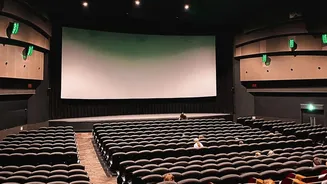
In response to the streaming threat, multiplexes have doubled down on what they can offer that a living room cannot: pure, unadulterated spectacle. This has led to the proliferation of Premium Large Format (PLF) screens. Brands like IMAX, Dolby Cinema, and ScreenX are no longer niche offerings but central to the modern cinema business model. These formats command higher ticket prices by promising a more immersive experience with giant screens, crystal-clear laser projection, and bone-rattling sound systems. The strategy is to turn a movie screening into a premium, can't-miss event. It's no longer just about seeing a film; it's about experiencing it in a way that is impossible to replicate at home. This focus on the 'experience' naturally favours films that are big, loud, and visually overwhelming—the very definition of a blockbuster.
The Blockbuster Feedback Loop
This shift creates a powerful feedback loop. As audiences increasingly associate cinemas with spectacle, studios find it safer to invest hundreds of millions of dollars into films that fit that mould. Tentpole movies based on established IP, like superhero franchises or animated sequels, are seen as reliable bets for drawing crowds. These films are designed from the ground up to be seen on the biggest screen possible. In turn, multiplexes dedicate more of their screens to these blockbusters to maximise ticket sales, squeezing out smaller, more original films. The result is that mid-budget, adult-oriented dramas and comedies, once a staple of the theatrical landscape, now struggle to find an audience in cinemas and are often relegated to streaming services. While some of these films find a second life online, their struggle in theatres reinforces the notion that cinemas are primarily for event movies.
What is the Future of Cinema?
The industry is showing signs of adapting to this new reality. After years of experimenting with shorter theatrical windows—the exclusive period a film plays in cinemas—some major studios like Universal are committing to longer windows again for their 2026 and 2027 slates. This signals a renewed belief that a successful theatrical run is crucial for a film's overall value, even in the streaming era. However, the fundamental dynamic remains. The audience has been conditioned to see a stark difference between a 'cinema movie' and a 'home movie'. A recent survey found that while younger audiences are returning to theatres, older viewers who once supported dramas are more likely to stay home. The challenge for both cinemas and studios is to either break this conditioning or lean into it completely. Can they find ways to make smaller, story-driven films feel like 'events' worth leaving the house for, or will the multiplex become a theme park dedicated solely to the blockbuster ride?