



More Than a Sweet Celebration
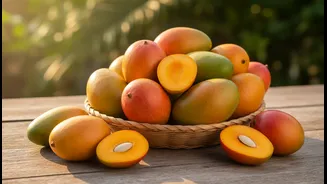
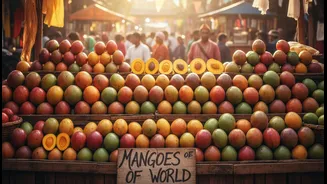
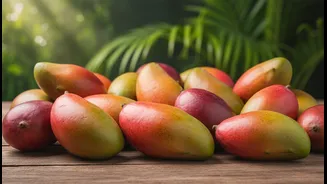
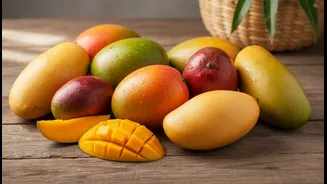
At first glance, a mango festival is a riot of colour, flavour, and community. Organized by state bodies and local groups, these events draw thousands who come to sample hundreds of varieties of the 'king of fruits'. Stalls overflow with everything from
the world-famous Alphonso to regional favourites, while activities like mango-eating contests and carving demonstrations create a celebratory atmosphere. These festivals are modern versions of ancient harvest celebrations, where communities gathered to give thanks for the season's bounty. Today, they serve a similar purpose: connecting urban consumers with the heart of India's agricultural landscape and celebrating a fruit deeply woven into the nation's cultural and culinary identity.
A Living Library of Flavours
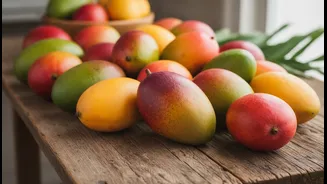
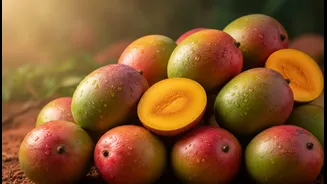
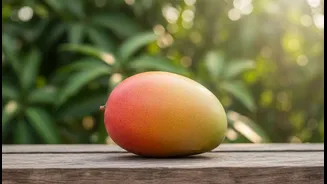
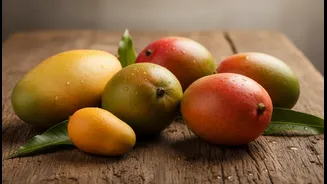
While most shoppers are familiar with a handful of commercial mango types, India is home to nearly 1,000 varieties, each with a unique taste, texture, and history. Many of these are at risk of disappearing due to the pressures of commercial farming. Festivals are one of the last lines of defence. Events in Uttar Pradesh and Karnataka have showcased over 500 and sometimes up to 800 varieties, reintroducing the public to rare gems. Here, you might find the Noorjahan, which can weigh up to four kilograms, the floral-scented Champa, or the ultra-delicate Kohitur, so soft it bruises at the slightest touch. By giving these heirloom varieties a stage, festivals create an incentive for farmers to continue cultivating them, safeguarding a genetic heritage developed over centuries and preserving a delicious slice of India's biodiversity.
Putting Farmers First
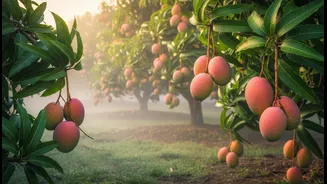
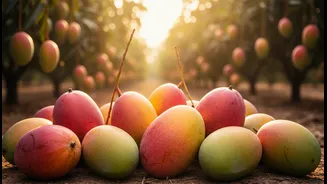
For small-scale farmers, mango festivals are a powerful economic tool. They create a direct-to-consumer marketplace, allowing growers to bypass intermediaries who often absorb a large share of the profits. This direct connection is invaluable. Farmers can set their own prices, get immediate feedback on their produce, and build a loyal customer base for unique, non-commercial mangoes that might otherwise struggle to find a market. At a one-day festival, for instance, farmers collectively earned over ₹50,000 from direct sales. These events empower growers, transforming their hard work into tangible income and providing a platform to promote sustainable farming practices. This direct link between producer and consumer strengthens the local economy and ensures that the people who grow our food are rewarded fairly.
Cultivating a Conscious Consumer
Beyond the economic and agricultural benefits, these festivals play a crucial role in education. They transform attendees from passive consumers into active participants in their food system. By tasting a mango that smells like pineapple or one that can be eaten both raw and ripe, visitors learn that the world of mangoes extends far beyond what's available in the supermarket. This experience fosters a deeper appreciation for local food culture, seasonal eating, and the importance of agricultural diversity. It encourages people to seek out and support farmers who grow traditional varieties, creating a conscious consumer base that values heritage and sustainability. In this way, the festival becomes a classroom, teaching the story of the land, one delicious bite at a time.