







Airlines and Turbulent Costs
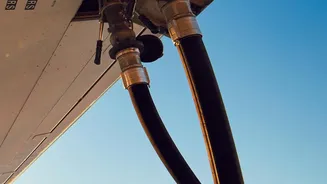
The most visible and immediate impact of rising oil prices is felt in the aviation sector. Aviation Turbine Fuel (ATF) is a huge operational expense for airlines, often accounting for a significant portion of their total costs. When crude prices surge,
airlines are left with a difficult choice: absorb the cost and hurt their profitability, or pass it on to passengers. In a price-sensitive market like India, this is a delicate balance. While some reports suggest airlines may be hesitant to reduce fares even if fuel costs ease due to strong demand, prolonged high prices almost always lead to higher ticket prices. Some carriers might even reduce the number of flights on less profitable routes to manage expenses, which can lead to fewer available seats and potentially higher fares for travellers.
Your Daily Commute Gets Costlier
The pinch is also being felt by anyone who relies on ride-hailing apps like Uber and Ola. Since a large number of these vehicles run on petrol or CNG, any increase directly impacts the driver's earnings. In a competitive market, ride-hailing companies are often reluctant to increase fares for fear of losing customers to rivals. However, this leaves drivers to bear the brunt of higher fuel expenses, squeezing their take-home income. If high prices persist, companies may have no choice but to introduce fuel surcharges or increase fares, which could raise monthly travel expenses for regular commuters. Some reports even indicate a rise in carpooling as commuters look for cheaper ways to travel.
The Price of Last-Mile Delivery
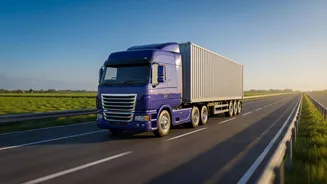
That package from an e-commerce site or the food you ordered for dinner also carries a hidden fuel cost. The logistics and delivery industry is the backbone of online retail and quick commerce, and it runs primarily on diesel. Fuel can account for 30-50% of the total operating costs for trucking and last-mile delivery. When diesel prices rise, transport companies often pass on the increase through higher freight rates. This affects e-commerce giants and food delivery platforms like Zomato and Swiggy, whose riders mostly use petrol-powered two-wheelers. To cope, these platforms might increase delivery fees or raise the minimum order value required for free delivery.
The Broader Economic Ripple Effect
The impact of oil prices extends far beyond transportation. Diesel is essential for agriculture, powering tractors and irrigation pumps, meaning food inflation is a significant risk. Higher transport costs also increase the price of moving everything from fresh produce to construction materials across the country. This contributes to broader core inflation, as manufacturers face higher costs not only for transportation but also for petroleum-based raw materials used in products like plastics and chemicals. Ultimately, these increased costs at every stage of the supply chain find their way to the end consumer, affecting the price of everyday goods and services. Economists warn that sustained high oil prices can put pressure on India's economic growth by squeezing corporate margins and reducing household spending power.