





From Possessions to Personal Stories
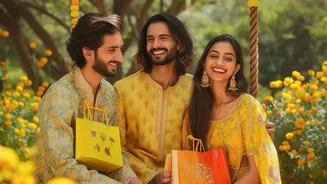
The landscape of festive gifting in India is undergoing a significant transformation. While traditional presents remain cherished, a growing number of consumers, especially millennials and Gen Z, are choosing to give experiences rather than objects. This
shift is not just about what is being gifted, but the intention behind it. Gifting is evolving from a cultural obligation into a more personal, emotion-driven expression. Instead of an item that might be re-gifted or stored away, the new currency is a memorable moment—a story the recipient can tell for years to come. This move towards 'experiential gifting' is rooted in a desire for unique, meaningful connections and a rejection of material clutter. Today's consumers are asking what a gift says about a relationship, and often, a shared experience speaks louder than a physical product.
What's Inside the Experience Box?
So, what does an 'experience gift' look like in India? The options are diverse and cater to a wide range of interests and budgets. Wellness experiences are incredibly popular, with spa vouchers for couple's massages, wellness retreats, and luxury salon treatments leading the pack. For those seeking a change of scenery, staycations at boutique hotels and weekend getaway packages have become a go-to choice. Adventure seekers can be treated to everything from paragliding and hot air balloon rides to scuba diving and ziplining. Gourmet experiences are also on the rise, including fine dining vouchers, private cooking classes, and wine-tasting sessions. These offerings are often sold via dedicated online platforms that allow for easy booking and flexible redemption, sometimes with vouchers valid for up to a year.
The Drivers of a New Gifting Culture
Several factors are fuelling this trend. Rising disposable incomes allow urban consumers to prioritize quality and uniqueness over quantity. Personalisation has become non-negotiable; consumers want gifts that feel individual and thoughtful, a need that a curated experience can meet perfectly. Social media also plays a crucial role. In an era of 'Instagrammable' moments, an exclusive dinner or a scenic hot air balloon ride offers significant visual appeal, extending the satisfaction of the gift. Furthermore, there is a growing consciousness around sustainability and minimalism. Many consumers prefer creating memories over accumulating more possessions, making experiences an eco-friendly and clutter-free alternative.
How Businesses Are Responding
Companies have been quick to adapt to this evolving market. Hotels and hospitality brands now actively market 'nightcation' packages that bundle a one-night stay with meals and a spa treatment. Restaurants offer curated dining experiences, such as poolside cabana dinners or set menus at five-star establishments. A host of online gifting platforms have emerged, specializing in curating and selling these experiences, often presented in attractive gift boxes or as instant e-vouchers. Even corporate gifting, a market projected to grow significantly, is moving beyond the standard mithai box to include wellness vouchers and unique team outings that reflect modern company values. This strategic shift recognizes that thoughtful gifts can build stronger relationships with both clients and employees.
The Future of Festive Traditions
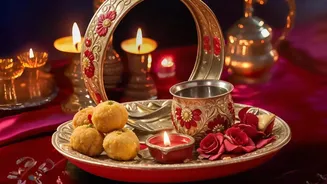
The rise of experiential gifting doesn't signal the end of the sonpapdi box or the dry fruit hamper. Rather, the market is expanding to accommodate a wider definition of what a gift can be. Traditional gifts, deeply embedded in cultural and emotional relevance, will continue to be a cornerstone of celebrations like Diwali and Raksha Bandhan. However, they now coexist with a vibrant and growing menu of experiences. This fusion of old and new reflects a broader trend in modern India: consumers are finding new ways to express timeless emotions like love, gratitude, and connection. The gift itself may be changing, but the sentiment behind it remains as strong as ever.