

Before You Go: Check, Book, and Plan
The most crucial step for a September hill trip is pre-travel research. Weather conditions can change rapidly, and a sunny forecast can turn into a downpour without much warning. Before booking anything, consult the India Meteorological Department (IMD)
for forecasts and any active warnings for your chosen region. Recent reports highlight that areas in Himachal Pradesh and Uttarakhand remain vulnerable to landslides and road blockages even in early September. It's wise to build buffer days into your itinerary to account for potential delays. When booking accommodation, opt for flexible or refundable rates. Confirm with your hotel about the current road conditions and accessibility before you start your journey.
The Monsoon-Ready Packing List
Packing for a rain-affected trip is different from a standard holiday. The key is to choose fabrics and gear that handle moisture well. Avoid heavy cottons and denim, which take a long time to dry and can feel uncomfortable. Instead, pack lightweight, quick-drying synthetic clothes. Your packing list should include a reliable waterproof jacket or poncho, as an umbrella can be useless against mountain winds. Footwear is critical; choose waterproof shoes or sandals with excellent grip to navigate slippery paths. Also essential are dry bags or zip-lock pouches to protect electronics and important documents, a power bank, a basic first-aid kit with antiseptic and medicines for common ailments, and a strong insect repellent.
Navigating the Roads Safely
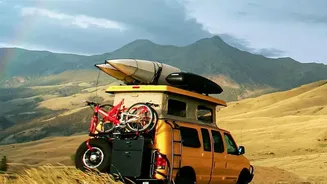
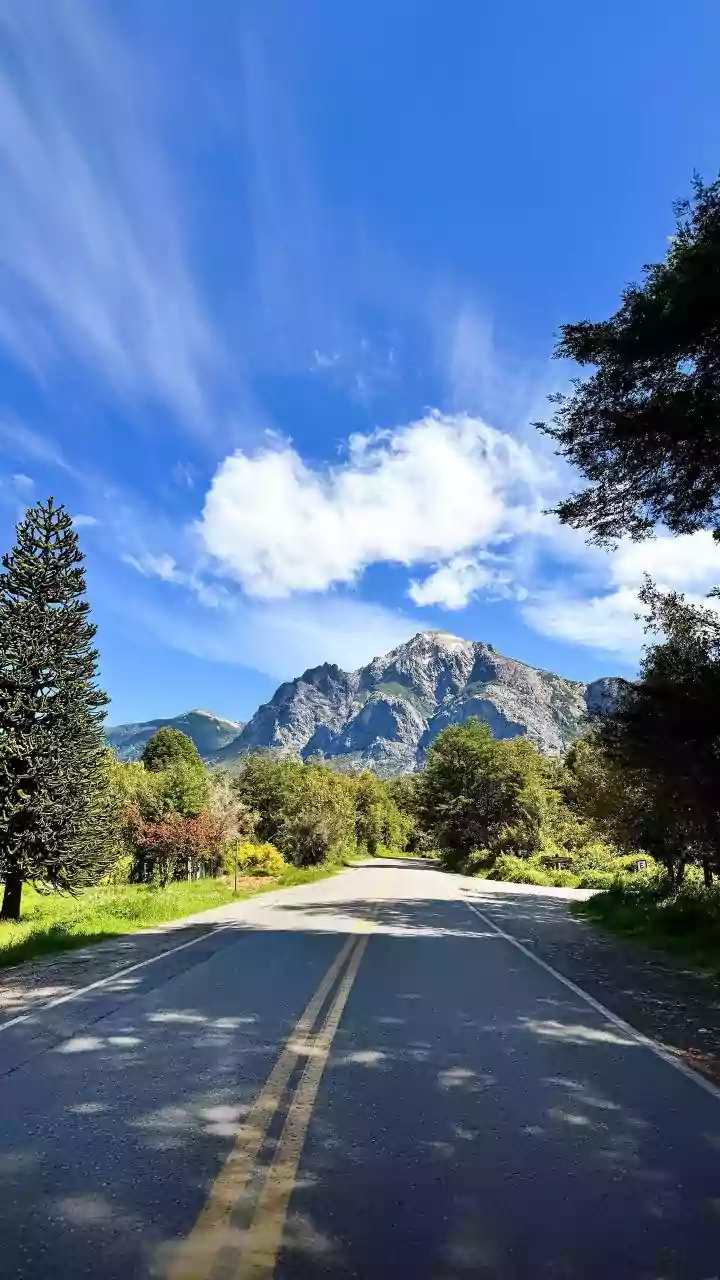
Road trips during this season require extra caution. If you are driving, ensure your vehicle is in top condition, paying special attention to tyres, brakes, and wipers. Reduce your speed significantly on wet roads and maintain a greater distance from the vehicle ahead. It's highly recommended to avoid driving at night due to poor visibility and the increased risk of encountering hazards like potholes or fallen rocks. In landslide-prone areas, consider hiring a local driver who has experience with the terrain and knows safer, alternative routes. Be prepared for roads to be closed with little notice and never attempt to cross a flooded road or a fast-flowing stream. The NHAI helpline (1033) can be a useful resource for checking real-time conditions on major highways.
Choosing Your Destination Wisely
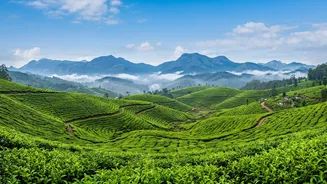
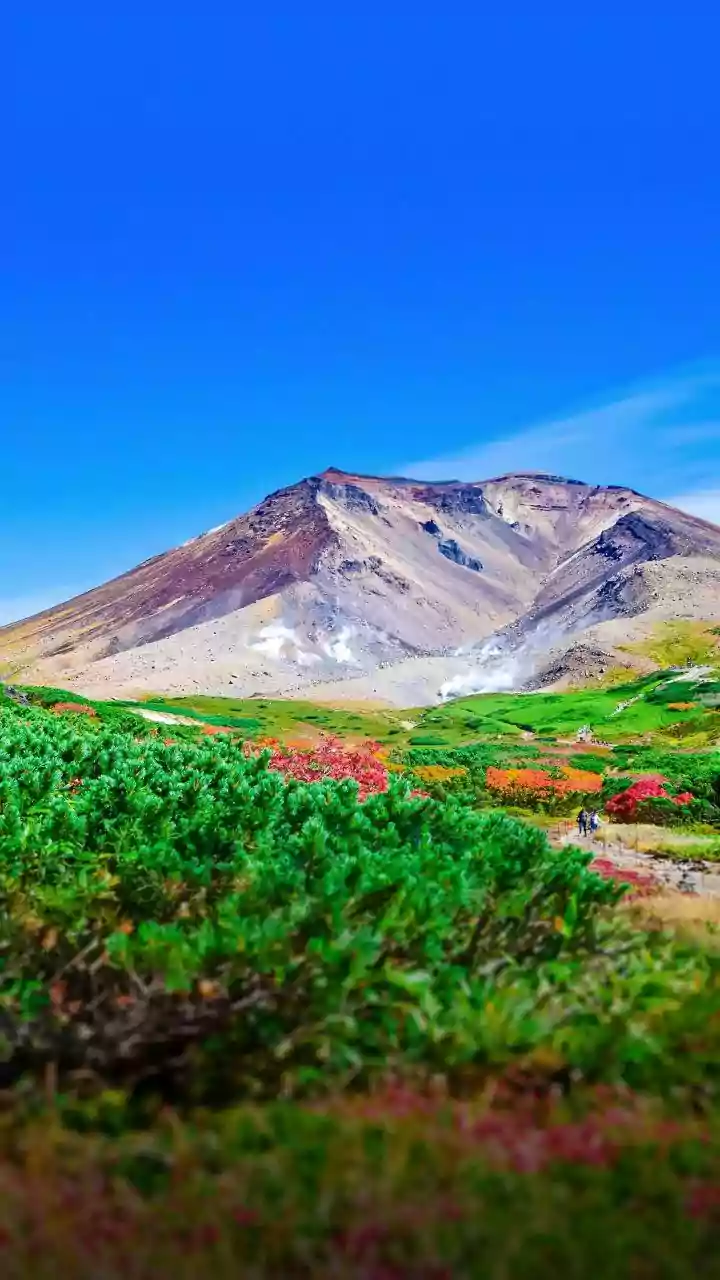
Not all hill stations are created equal when it comes to monsoon safety. While popular Himalayan destinations like Shimla, Manali, and Mussoorie look stunning, their access roads are notoriously prone to landslides during and immediately after heavy rains. September can be a transitional month; while some sources suggest it's a great time to visit these places, official warnings often advise caution. Safer alternatives might be found in the Western Ghats, such as Coorg, Wayanad, or Ooty, where the monsoon has a different character. These regions are lush and beautiful, though still require checking local conditions. High-altitude rain-shadow regions like Spiti Valley and Ladakh are excellent choices for September as they remain mostly dry and accessible. Ultimately, your choice should be guided by current weather advisories over popular opinion.
Embrace the Rainy Season Charm
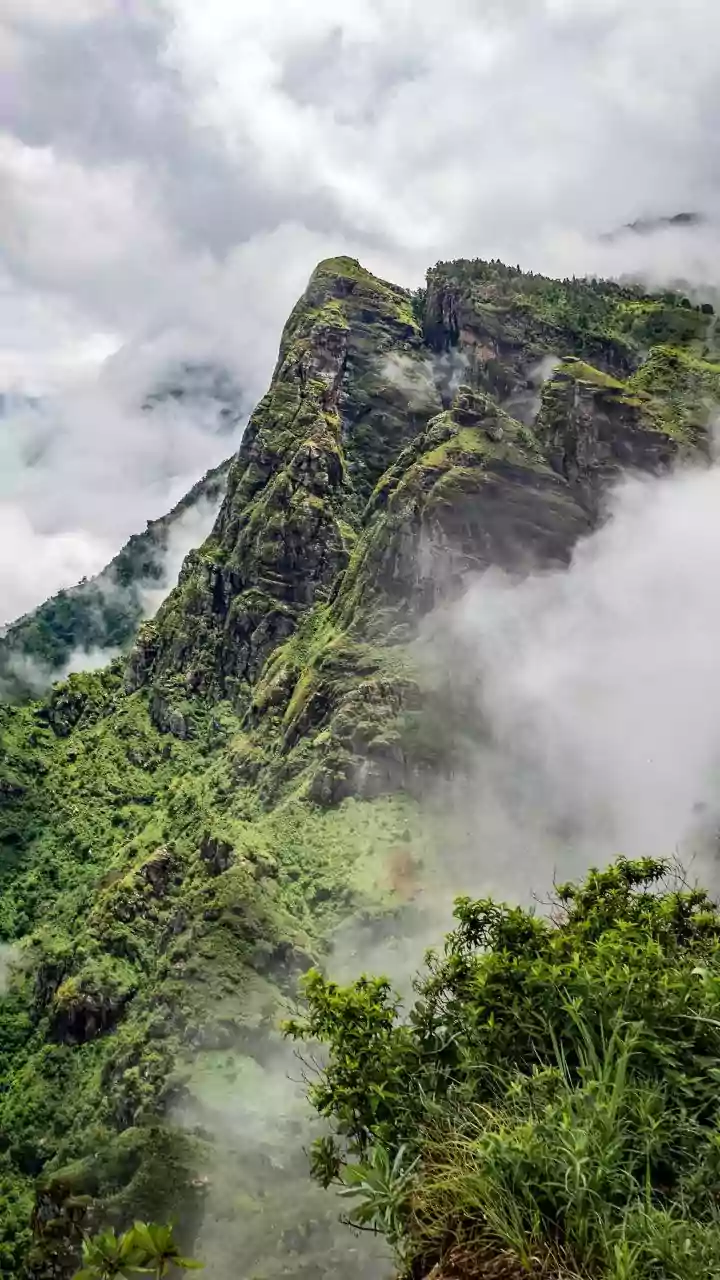
A monsoon trip is less about ticking off a long list of sights and more about soaking in the atmosphere. The rain brings a unique charm, with misty landscapes, fewer tourists, and often lower hotel prices. Enjoy the simple pleasures, like sipping a hot cup of tea while watching the rain from your balcony. Explore nearby walking trails, but avoid being overly adventurous on unmarked paths, which can be mucky and unsafe. Instead of rushing from one viewpoint to another, take the time to relax and appreciate the vibrant, clean-washed look of nature. Many travellers find this quieter, greener side of the hills to be more rewarding than the peak season rush.