
The Main Event: The Perseid Meteor Shower
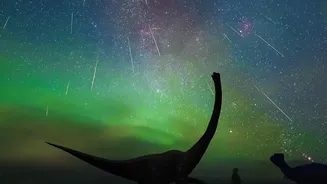
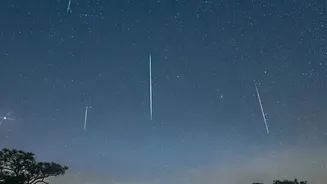
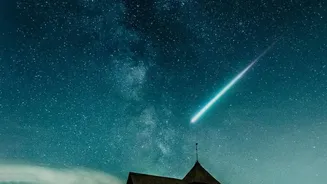
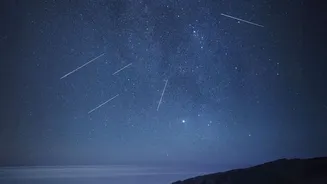
While Saturn is a highlight, the true headliner of the August sky is the annual Perseid meteor shower. This is consistently one of the best meteor showers of the year, and in 2026, the conditions are perfect. The shower will peak on the night of August 12
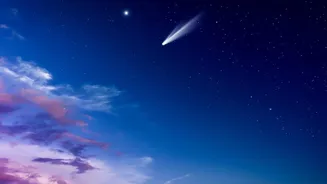
and into the early morning of August 13. The best part? The peak coincides with a new moon, meaning the skies will be exceptionally dark, allowing even faint meteors to shine. Caused by debris left behind by Comet Swift-Tuttle, the Perseids are known for producing bright, fast meteors that often leave persistent trails. Under ideal conditions, away from city lights, you could see between 50 and 100 meteors per hour. For the best experience, find a dark location, give your eyes about 30 minutes to adjust, lie back, and enjoy the show. The best viewing will be from midnight until just before dawn.
Saturn and a Parade of Planets
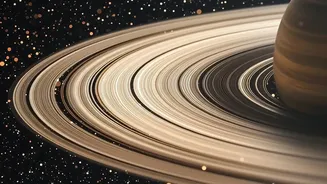
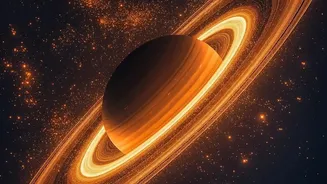
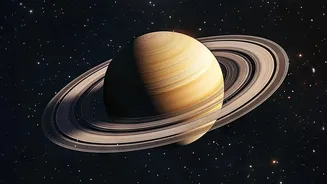
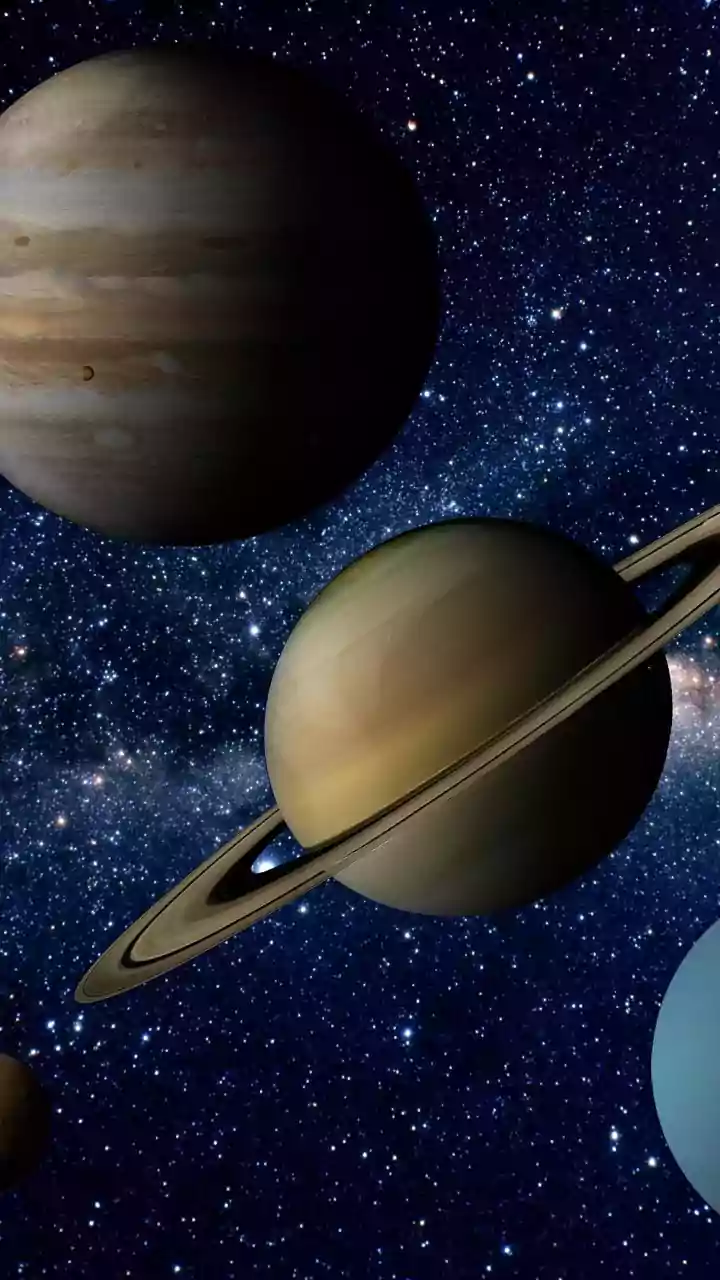
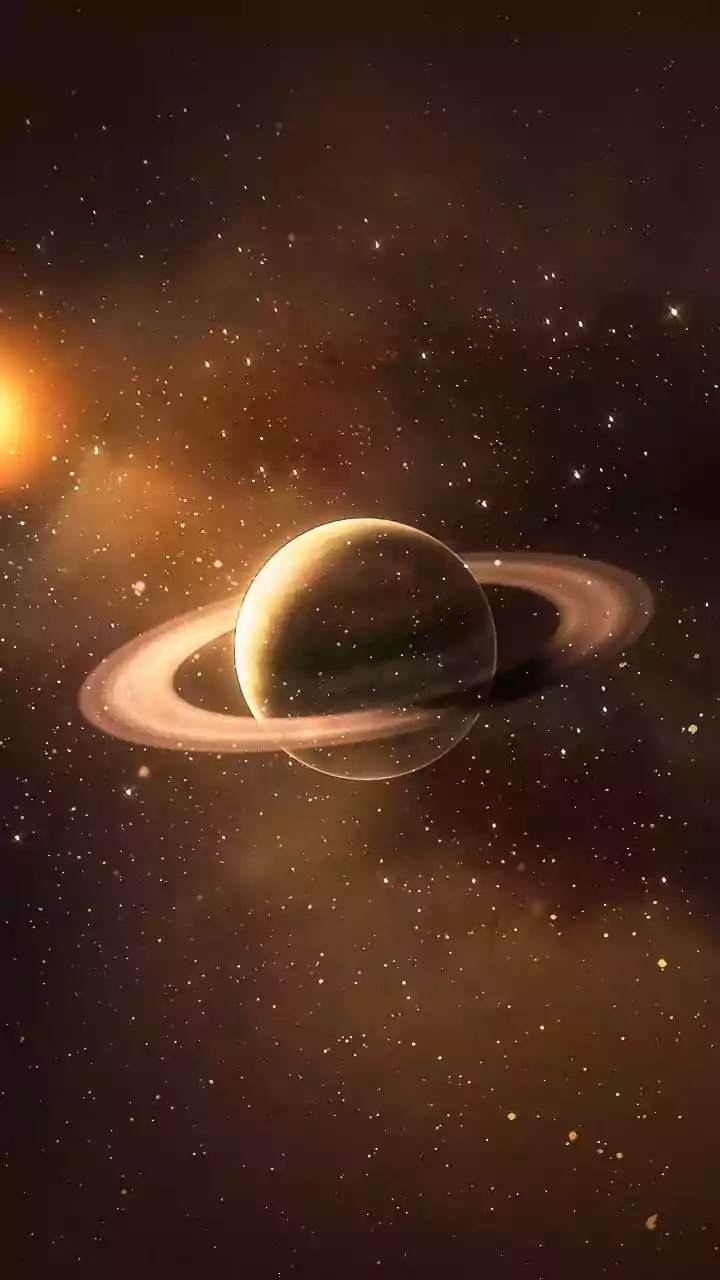
The headline is not wrong—Saturn is a star player this August. The yellowish, ringed planet will be visible rising in the east in the evenings and will be high in the sky before dawn throughout the month. While Saturn’s official opposition, when it is at its brightest and closest to Earth for the year, is not until October 4, it is already an excellent target for viewing. But it's not alone. August features a spectacular gathering of planets. Mars will be visible as a reddish dot in the pre-dawn sky. For those with binoculars or a small telescope, Uranus and Neptune are also part of the lineup. Around August 12, a 'planet parade' of six planets—Jupiter, Mercury, Mars, Uranus, Saturn, and Neptune—will stretch across the morning sky. Seeing all six will be a challenge, with Jupiter and Mercury very low on the horizon in the morning twilight, but Mars and Saturn will be relatively easy naked-eye targets.
Other Celestial Highlights
Beyond the major players, there are other noteworthy sky events. Throughout August, the brilliant planet Venus will dominate the western sky shortly after sunset. On August 7, the thin crescent moon will appear close to the beautiful Pleiades star cluster, also known as the Seven Sisters, creating a picturesque scene in the early morning. Just two days later, on August 9, the moon will have a close encounter with Mars, helping beginners locate the Red Planet in the pre-dawn hours. On August 30-31, the month closes with the moon making a close approach to Saturn, with the pair rising together a couple of hours after sunset. These conjunctions offer wonderful photo opportunities and make it easier to identify different objects in the night sky.
Tips for the Urban Stargazer
You don't necessarily need to travel to a remote, dark-sky reserve to enjoy the show, though it certainly helps. For those in cities, the key is to minimise light pollution as much as possible. Find a local park, a field, or even a rooftop with an unobstructed view of the sky. Turn off all nearby lights and allow your eyes time to adapt to the darkness—this is crucial and can take 20-30 minutes. While meteor showers are best viewed with the naked eye, a simple pair of binoculars can dramatically enhance your view of the planets, revealing Saturn’s shape or even Jupiter’s largest moons. There are also numerous stargazing apps for your smartphone that can help you locate planets, constellations, and the radiant point of the meteor shower in real-time.