



Start with the Right Pot
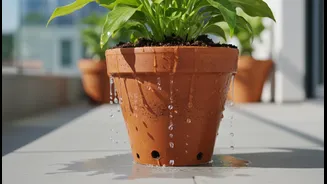
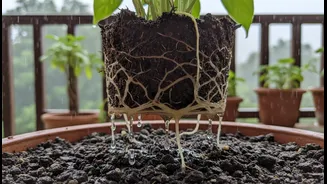
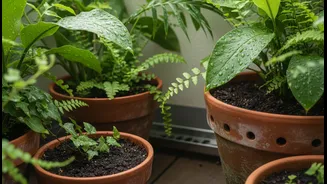
The simplest solution begins before you even add soil. Always choose pots with drainage holes. This is non-negotiable for plant health, as it allows excess water to escape and prevents roots from sitting in stagnant water, which leads to root rot. For
materials like plastic or fiberglass, you can easily drill your own holes if a decorative pot doesn't have them. Terracotta pots are porous and naturally help soil breathe, but any material works as long as water has an exit. Remember, a healthy plant starts with healthy roots, and healthy roots need to breathe.
Elevate Your Containers
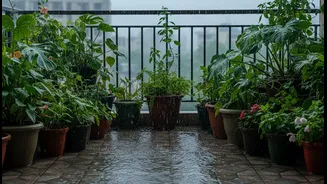
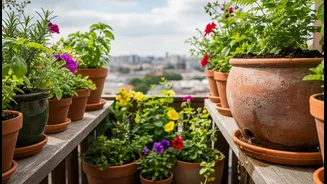
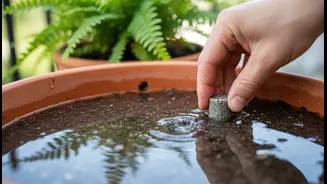
One of the most effective and simple changes you can make is to lift your pots off the balcony floor. When a pot sits directly on a flat surface, the drainage holes can get blocked, and water pools underneath, keeping the soil constantly waterlogged. Use 'pot feet,' small blocks, or even repurposed bottle caps to create a small gap. This allows air to circulate and excess water to drain away freely, preventing stains on your balcony floor and protecting your plant's roots from sitting in a puddle. It's a small adjustment that makes a massive difference.
Use Saucers and Trays Wisely
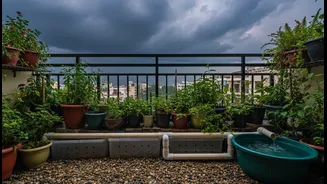
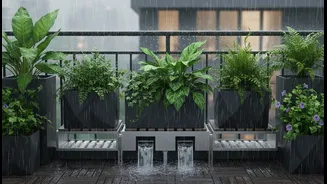
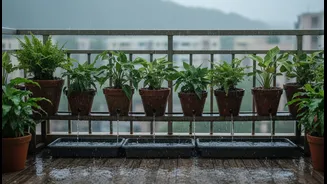
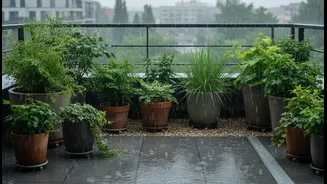
Saucers are great for catching runoff, but they can become a problem if not managed. Never let your pots sit in a water-filled saucer for extended periods. After watering, allow the pot to drain completely, then empty any excess water from the saucer. For groups of plants, you can place them in a large, deep waterproof tray. This contains all the runoff in one manageable spot and protects your balcony floor. This method is especially useful for being considerate to neighbours living below you.
Rethink the Gravel Layer
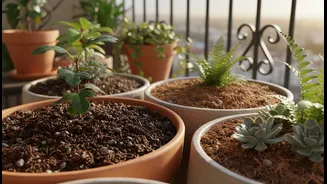
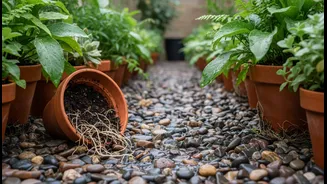
It's a common myth that adding a layer of gravel or broken pot shards to the bottom of a planter improves drainage. In reality, it can make things worse. Water does not move easily from the fine-textured potting soil to the coarse gravel layer below. This causes the water to collect in the soil just above the gravel, creating a soggy layer right where the roots are. Instead of adding gravel inside the pot, focus on using a lightweight, well-draining potting mix specifically designed for containers. These mixes often contain perlite or vermiculite to ensure good aeration and drainage.
Install a False Floor
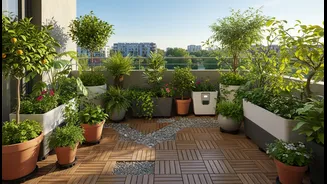
For a more integrated and aesthetically pleasing solution, consider installing interlocking deck tiles. These modular tiles, often made of wood or composite materials, sit on a plastic base that raises them slightly off the balcony's concrete surface. This creates a gap where water can flow freely underneath and find its way to the main drain. Your pots sit on a dry, level surface, and the runoff disappears from sight. This not only solves the drainage problem but also gives your entire balcony a stylish, upgraded look.
Explore Self-Watering Planters
Self-watering planters are a fantastic, low-maintenance option. These pots have a built-in reservoir at the bottom that holds water. A wicking system, often using a piece of rope or capillary action through soil columns, draws water up to the plant's roots as needed. This clever design prevents overwatering because the plant only takes what it requires, and the main soil mass isn't constantly saturated. It also means the excess water is neatly contained within the pot's reservoir, so there's no messy runoff to deal with after watering.