






The Weekly Reset
These are the quick-win tasks that prevent chaos from building up. Set aside 30-60 minutes each week to tackle this list. It’s less about deep cleaning and more about hitting the reset button on your living space. - **Wipe Down High-Traffic Surfaces:**
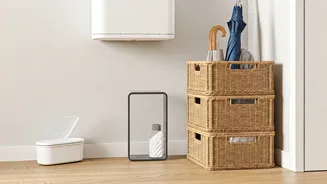
This includes kitchen counters, the dining table, and bathroom vanities. A quick wipe-down prevents grime buildup and helps keep germs at bay in the areas your family uses most. - **Quick Declutter:** Spend 15 minutes returning items to their proper homes—toys to the toy box, mail to the office desk, shoes to the rack. This single habit makes a massive difference in how calm a home feels. - **Take Out All Trash & Recycling:** An obvious but crucial step. Getting it all out of the house weekly prevents odours, pests, and overflow. - **Check the Fridge:** Toss any leftovers that are past their prime and make a note of groceries you need to restock. This reduces food waste and makes meal planning for the week ahead much simpler.
The Monthly Check-In
Once a month, dedicate an hour or two to these slightly deeper tasks. Think of this as preventative maintenance that saves you time, money, and trouble down the line. - **Test Smoke & Carbon Monoxide Detectors:** According to safety experts, this is one of the most important habits for home safety. Simply press the 'test' button on each unit. If it doesn't beep, replace the batteries immediately. Don't wait for the low-battery chirp. - **Clean Appliance Filters:** This is a game-changer for efficiency. This includes your dishwasher filter (to prevent food clogs and bad smells), the range hood filter (to remove grease buildup), and checking your washing machine for a lint trap or filter. - **Inspect for Leaks:** Do a quick visual check under sinks in the kitchen and bathrooms. Look for any drips, water stains, or musty smells. Catching a small leak early can prevent major water damage and mould growth.
The Seasonal Switch-Up
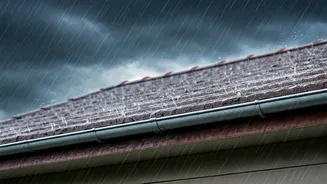
Twice a year, as the weather makes a significant turn, a few key tasks will prepare your home for the coming season, ensuring it’s both comfortable and efficient. These are best done in spring and autumn. - **Clean Gutters and Downspouts:** Clogged gutters are a primary cause of water damage to your roof and foundation. Clear out leaves and debris after most leaves have fallen in autumn and before the heavy rains of spring. - **Service Your HVAC System:** Have your heating system checked in the autumn before you need it and your air conditioning checked in the spring. At a minimum, change the filters yourself. This improves indoor air quality and helps your system run efficiently, saving on energy bills. - **Check Windows and Doors for Drafts:** Inspect seals and weather stripping for wear and tear. Sealing air leaks is one of the fastest ways to lower your heating and cooling costs. - **Clean Your Dryer Vent:** This is a critical fire safety task. Lint buildup in the dryer vent pipe (not just the easy-to-clean lint trap) is a leading cause of house fires. This should be done at least annually, but doing it seasonally is an even safer bet.
The Annual Audit
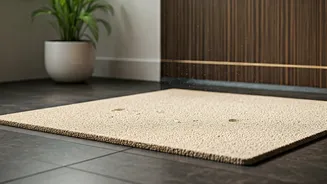
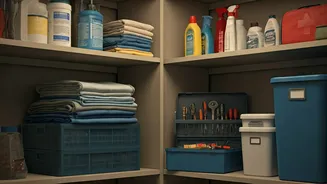
These are the big-ticket items. You only need to do them once a year, but they are vital for your family's long-term safety and the structural health of your home. Schedule it in your calendar like any other important appointment. - **Review Your Family Emergency Plan:** Is your fire escape plan still fresh in everyone's mind? Is your emergency kit stocked with unexpired water, non-perishable food, batteries, and a complete first-aid kit? Check expiration dates and update emergency contact information. - **Deep Clean Carpets and Upholstery:** Whether you hire a professional or rent a machine, a yearly deep clean removes the dirt, allergens, and dust mites that regular vacuuming can't reach. - **Inspect the Roof:** You don't need to get on the roof. From the ground, use binoculars to look for missing, cracked, or curling shingles. If you see any signs of damage, call a professional for a closer look. - **Check Fire Extinguishers:** Ensure your home fire extinguisher has not expired and that the pressure gauge is in the green "operable" zone. Crucially, make sure every responsible member of the family knows where it is and how to use it.