

In a world of quick-commerce and endless takeout options, a quiet revolution is simmering in Indian kitchens. Families are looking past fleeting food trends and turning to a surprising source for better health: their own ancestral recipes.
A Return to Generational Wisdom
After years
dominated by convenience, there's a growing movement to bring back the simple, nourishing meals our grandparents ate. This isn't just about nostalgia; it's a conscious choice driven by a desire for better health and authenticity. Many are realizing that traditional Indian diets, built on whole foods and time-tested cooking methods, naturally contain the nutritional benefits that modern wellness trends now promote. The pandemic, in particular, shifted attitudes towards food, making many people appreciate home-cooked meals that nourish both the body and soul. This has led to a rediscovery of heirloom recipes, once seen as 'ordinary', but now celebrated for their wholesome goodness.
The Nutritional Power of the Past
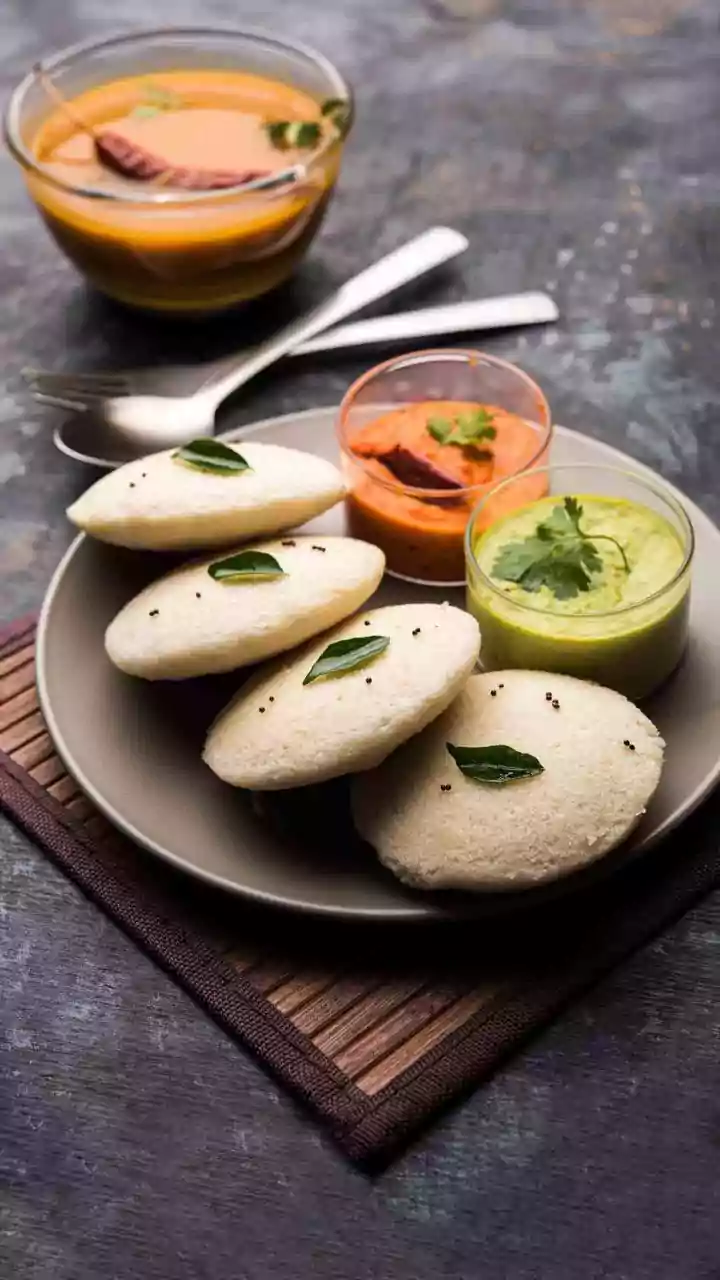
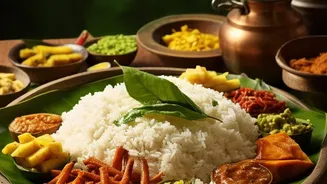
So, what makes these traditional recipes so healthy? The answer lies in their core components and preparation methods. Ancestral diets were incredibly diverse and nutrient-dense, a stark contrast to modern diets often reliant on processed foods. Traditional Indian meals typically feature a balanced mix of complex carbohydrates from whole grains, plant-based proteins from lentils and legumes, and healthy fats. Spices like turmeric, ginger, and cumin aren't just for flavour; they possess anti-inflammatory and digestive properties. Furthermore, methods like fermentation (in idli, dosa, and curd), slow-cooking, and steaming preserve nutrients and promote gut health, ideas that are now at the forefront of nutritional science. These meals are naturally rich in fibre and antioxidants while being low in the harmful trans-fats and excessive sodium found in many packaged foods.
More Than Just Food on a Plate
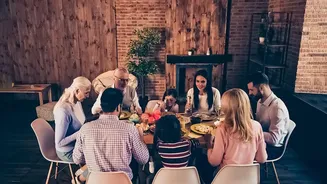
Reviving family recipes is about more than just improving nutrition; it's a way to reclaim cultural identity and strengthen family bonds. In a globalized world, cooking a dish passed down through generations becomes an act of cultural preservation. It connects younger generations to their roots, turning the kitchen into a classroom for family history. The process itself encourages a slower, more mindful approach to eating. The act of grinding masalas, kneading dough, or slow-simmering a dal offers a therapeutic escape from a fast-paced life, making mealtime a moment of connection rather than mere consumption.
Adapting Old Ways for New Kitchens
Bringing traditional cooking into a modern, busy lifestyle can seem challenging, but it's more achievable than it appears. The key is to adapt, not just replicate. While some old recipes can be time consuming, modern appliances can help. A pressure cooker can drastically cut the cooking time for dals and legumes, while a mixer grinder can prepare spice pastes in minutes. Planning is also crucial. You can prepare larger batches of base gravies or spice mixes over the weekend to use during busy weekdays. The focus isn't on perfectly recreating a bygone era but on integrating the principles of traditional cooking—fresh ingredients, balanced meals, and mindful preparation—into today's reality. Even small changes, like swapping refined flour for whole grains or using seasonal vegetables, can make a significant difference.