






Why Breathable Fabrics Are Essential
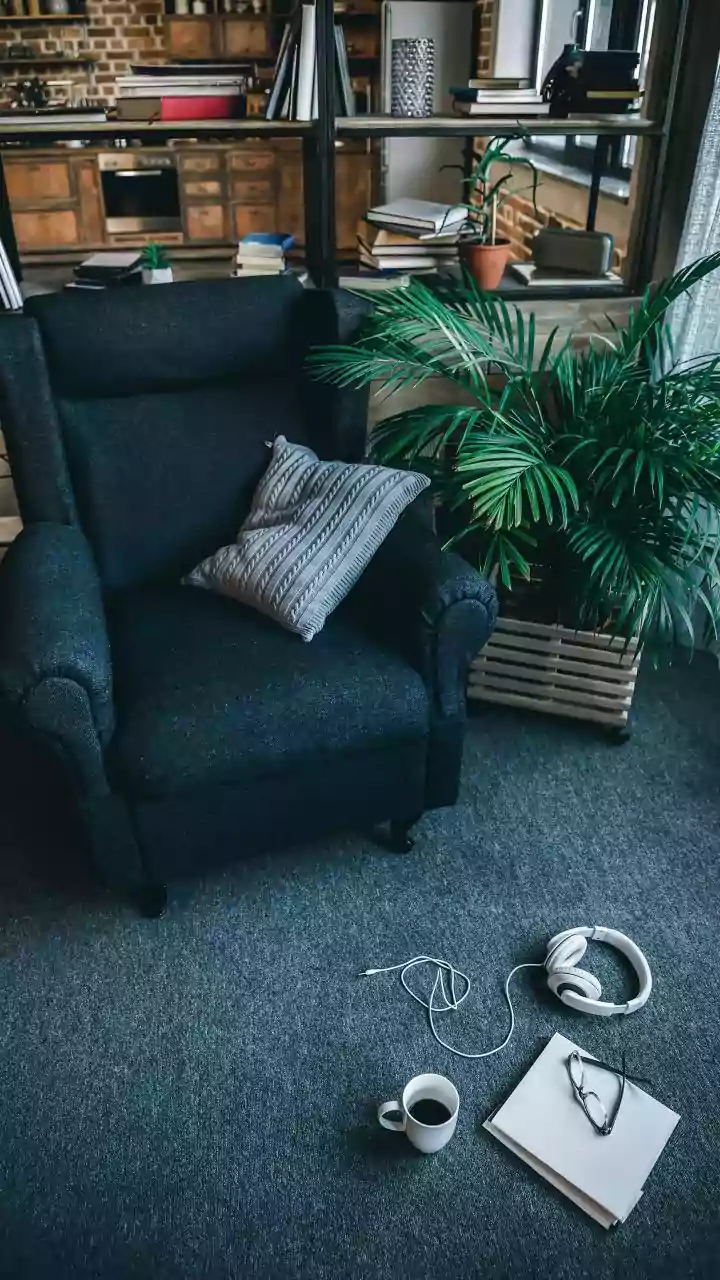
During the monsoon, humidity levels can soar, causing heavy fabrics like velvet, thick polyester, and wool to absorb and trap ambient moisture. This not only makes them feel perpetually damp but also creates a breeding ground for mildew and musty odours.
Breathable textures, on the other hand, are typically made from natural, open-weave fibres. They allow air to circulate freely, resist moisture absorption, and dry quickly, which is crucial for maintaining a fresh and healthy indoor environment during the wet months.
Cotton: The Versatile Monsoon Hero
Cotton is a go-to fabric for good reason. It's soft, absorbent, and, most importantly, breathable. For monsoon decor, opt for lightweight varieties like voile, muslin, or sheer cottons. These are perfect for curtains as they allow natural light to filter through, brightening up gloomy days while still permitting air circulation. Swap out heavy bedspreads and cushion covers for crisp cotton ones in cheerful prints or light colours to visually lift the space and keep it feeling fresh and easy to maintain.
Linen: Naturally Cool and Quick-Drying
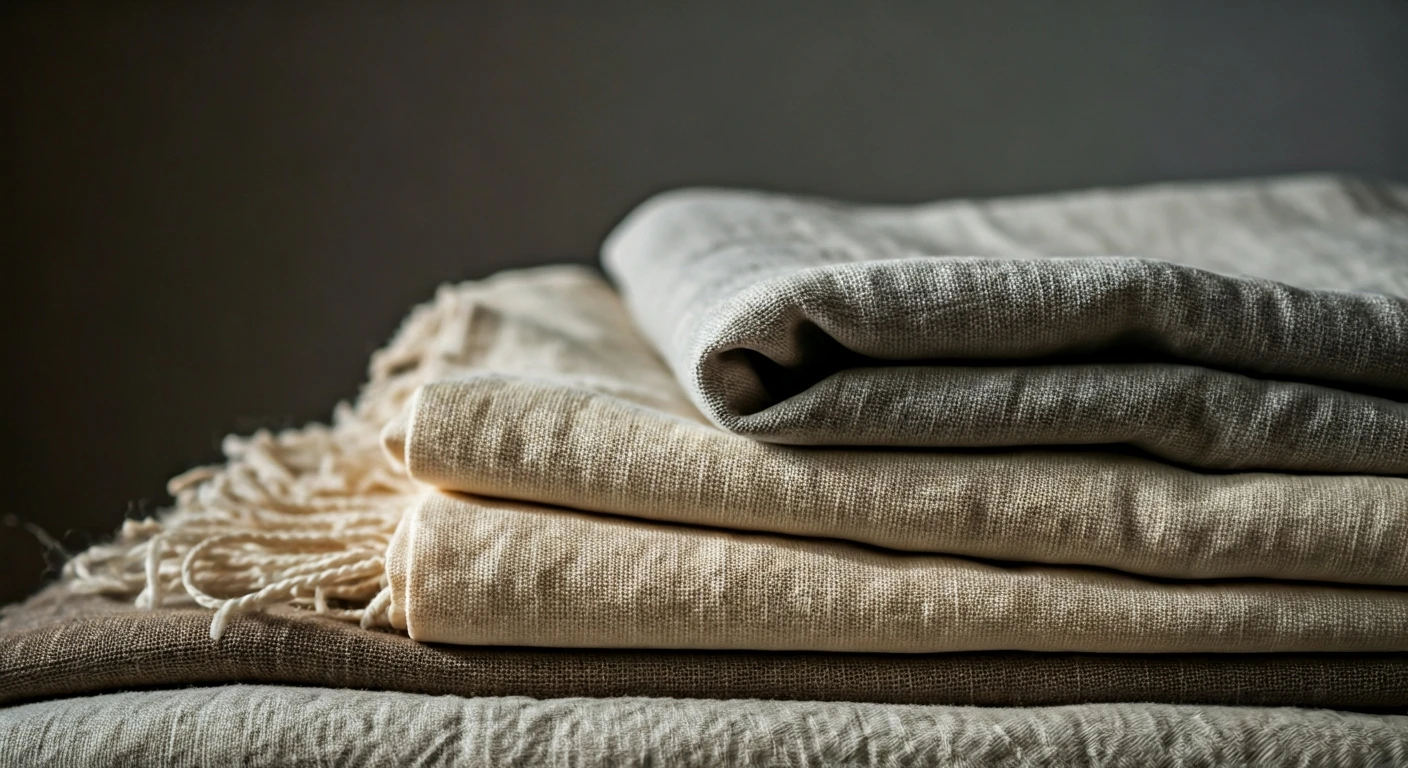
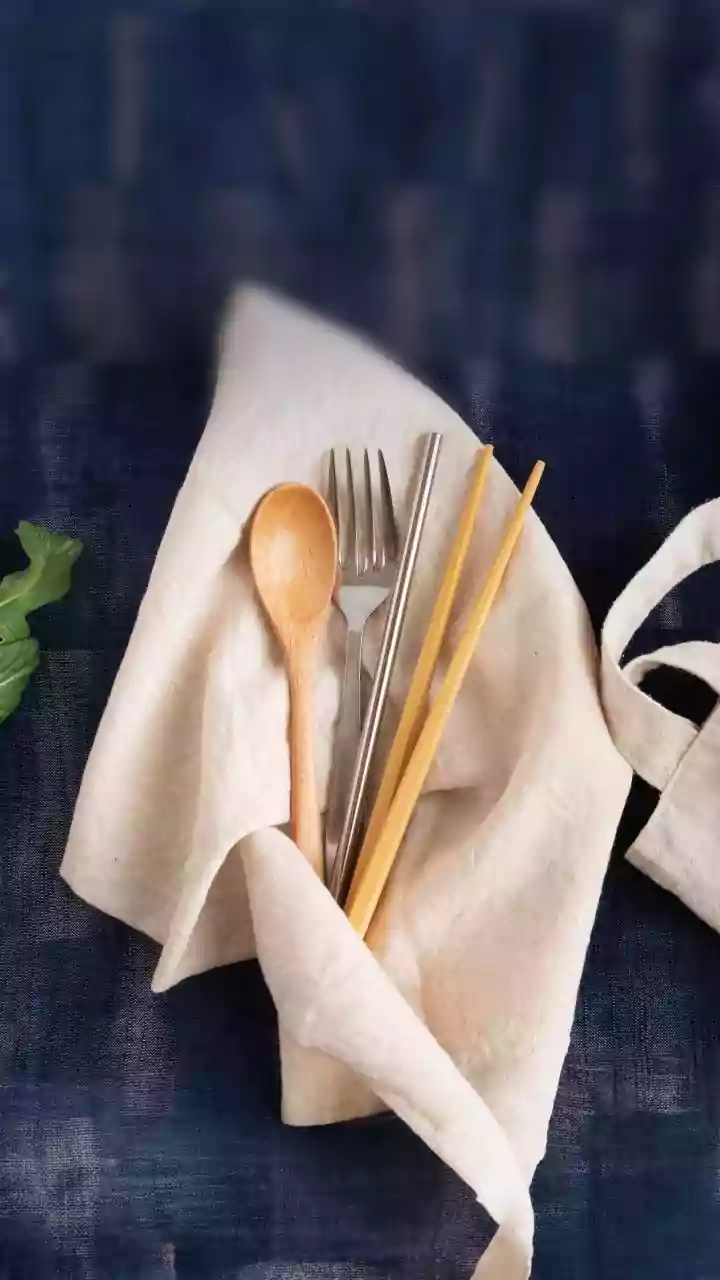
Linen is another champion of humid climates. Made from the flax plant, its fibres are naturally moisture-wicking and incredibly quick to dry—even faster than cotton. While 100% linen can be prone to wrinkling, its characteristic texture adds a relaxed, elegant charm perfect for the season. Use linen for throws, sofa covers, and curtains. Its ability to stay cool to the touch and resist clinging makes it an ideal choice for upholstery that feels comfortable even on the stickiest of days. A linen-cotton blend can offer the best of both worlds: the breathability of linen with the softness and reduced wrinkling of cotton.
Jute and Wicker: Grounded and Moisture-Proof
Your floor coverings also need a monsoon-friendly update. Heavy, thick carpets can become a nightmare, absorbing moisture and taking forever to dry. Instead, roll them up and replace them with rugs made from jute, sisal, or bamboo. These natural, coarse fibres do not trap moisture and add a wonderful earthy texture to your decor. The same logic applies to accessories. Wicker baskets are perfect for stylish storage, from holding magazines to functioning as planters, as they allow air to pass through. Wicker or rattan furniture also adds a light, tropical feel that’s perfectly suited to the season.
Let Your Windows Breathe
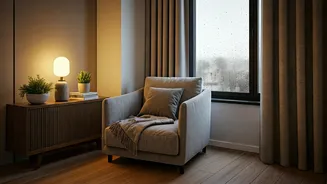
One of the most impactful changes you can make is at your windows. Heavy, opaque drapes block precious light and trap damp air, contributing to a stale atmosphere. Switch to sheer or semi-sheer curtains made of cotton, linen, or even lightweight synthetic blends designed for outdoor use. These allow for maximum light and airflow, helping to reduce dampness and the feeling of being cooped up. On days when it isn't raining, keeping windows open with sheer curtains drawn allows for cross-ventilation without sacrificing privacy.
Smart Upholstery Choices
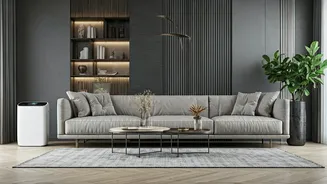
While swapping out your entire sofa might not be practical, you can still make smart choices. If you're considering new furniture, look for upholstery made from tightly woven synthetic blends, solution-dyed acrylics, or cotton-polyester mixes that are engineered to resist moisture. For existing furniture, focus on throws and cushion covers. Pull furniture slightly away from walls to prevent moisture from getting trapped behind it. Regular airing of cushions and using a dehumidifier can also make a significant difference in keeping upholstered pieces fresh.