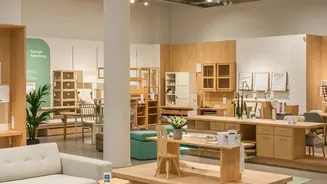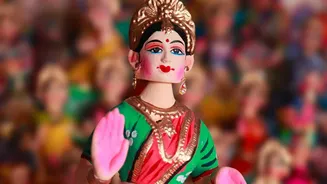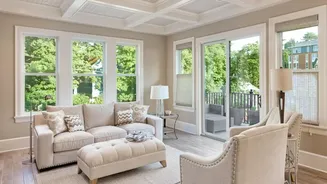




Imagine a minimalist living room, punctuated not by a mass-produced print, but by the intricate patterns of a hand-carved block. This is the new face of Indian decor, a beautiful dialogue between past and present, tradition and modernity.
From Museum Pieces to Modern Must-Haves
For generations,
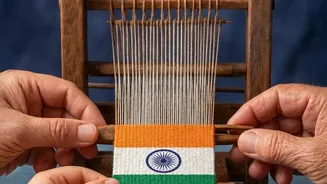
India's rich tapestry of handicrafts was often seen through a historical lens—exquisite objects preserved in museums or confined to ancestral homes. Today, a quiet but powerful revolution is unfolding. Artisans from Rajasthan to West Bengal are reimagining their ancestral skills, transforming timeless techniques into decor that speaks to the contemporary Indian home. The focus has shifted from mere preservation to dynamic evolution. It's no longer just about owning a piece of history; it's about living with it. This movement champions the idea that traditional crafts are not static relics but living, breathing art forms that can add soul, texture, and a unique story to even the most modern spaces.
Old Skills, New Forms and Functions
The magic lies in the adaptation. Take Kalamkari, the ancient art of hand-painting or block-printing textiles from Andhra Pradesh. Once reserved for narrative scrolls and temple hangings, its intricate motifs of flowers and mythology now adorn everything from sleek cushion covers and bed runners to statement lampshades. Similarly, Dhokra, a 4,000-year-old metal casting technique from central and eastern India, has moved beyond traditional figurines. Artisans are now crafting minimalist Dhokra wall art, elegant door handles, and chic pen stands that bring a rustic yet regal touch to a modern study. Even Bidriware, the 14th-century art of inlaying pure silver on a blackened metal alloy from Karnataka, is finding new life in contemporary geometric vases, coasters, and decorative plates that sit beautifully in minimalist interiors.
The Designer-Artisan Bridge
This revival is often powered by collaboration. A new generation of Indian designers and design-led social enterprises are acting as a crucial bridge between artisan communities and the urban market. They work closely with craftspeople, not to dilute the craft, but to co-create products that fit modern aesthetics and functional needs. These partnerships help with interpreting trends, introducing new colour palettes, and experimenting with form, all while respecting the core technique. Major design houses, both in India and internationally, are also collaborating with artisan clusters, such as Dior's partnership with the Chanakya School of Craft in Mumbai, bringing Indian embroidery to the global stage. This creates a symbiotic relationship: artisans gain access to new markets and fairer wages, while designers infuse their collections with authenticity and unparalleled craftsmanship.
Conscious Choices and Cultural Continuity
Choosing to incorporate these pieces into our homes is more than just a decor decision; it is a conscious act of patronage. In an age of mass production, opting for a hand-block printed textile or a hand cast metal piece supports sustainable practices, as many of these crafts utilize natural materials and generate a smaller carbon footprint. It ensures the economic empowerment of artisan communities and helps preserve invaluable skills that have been passed down through generations. By making space for these crafts, we are not just beautifying our homes but also becoming custodians of our rich cultural heritage. Every handmade object carries the imprint of its maker, turning our living spaces into galleries of stories, skill, and soul.