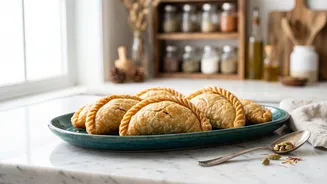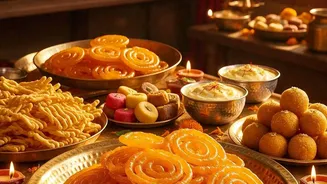




The aroma of freshly fried sweets is the hallmark of the festive season. Among the most cherished treats is the Gujiya, a crisp, crescent-shaped pastry filled with joy. Here’s how you can create this traditional delicacy in your own kitchen.
A Sweet Symbol of Celebration
Gujiya is
more than just a sweet; it's a taste of tradition, a token of love shared between family and friends during festivities like Diwali and Holi. Known by various names across India — 'Karanji' in Maharashtra, 'Ghughra' in Gujarat, 'Purukiya' in Bihar — this delightful pastry consists of a flaky crust made from flour, which encases a rich and aromatic filling. The process of making Gujiya is often a communal activity, bringing family members together to roll, stuff, and fry these pockets of happiness, filling the home with an air of celebration.
Gathering Your Ingredients
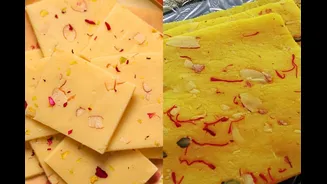
To begin, you will need to assemble your ingredients for both the dough and the filling. For the outer pastry, you will need all-purpose flour (maida), a few tablespoons of ghee for 'moyan' (fat added to flour), and water to form a firm dough. The heart of the Gujiya is its filling. A classic preparation uses khoya (also known as mawa, or dried evaporated milk solids), which provides a rich, creamy base. To this, you'll add fine semolina (suji), powdered sugar, finely chopped nuts like almonds, cashews, and pistachios, along with desiccated coconut. Aromatise the mixture with powdered green cardamom and perhaps a pinch of nutmeg.
Crafting the Perfect Dough
The secret to a crispy, flaky Gujiya lies in the dough. In a large bowl, combine the all-purpose flour with the ghee. Rub the ghee into the flour with your fingertips until the mixture resembles breadcrumbs. This step is crucial as it ensures a non-greasy, crisp crust. Now, slowly add water, a little at a time, and knead until you have a firm, but pliable dough. It should not be too soft, as this can make the Gujiyas soggy. Cover the dough with a damp cloth and let it rest for at least 30 minutes. This resting period allows the gluten to relax, making the dough easier to roll out.
Preparing the Sweet Filling
While the dough rests, you can prepare the filling. Lightly roast the semolina in a pan on low heat until it is fragrant and turns a very light golden colour; this removes its raw taste. In the same pan, gently roast the khoya until it loosens up and becomes aromatic, which takes just a few minutes. Allow both to cool down completely. Once cool, combine the roasted khoya and semolina in a bowl. Add the powdered sugar, chopped nuts, desiccated coconut, and cardamom powder. Mix everything thoroughly until well combined. Your delicious filling is now ready.
The Art of Shaping Gujiya
After the dough has rested, divide it into small, equal_sized balls. Take one ball and roll it into a thin, small circle, about 4_5 inches in diameter. Place a tablespoon of the prepared filling onto one half of the circle, leaving the edges clear. Gently moisten the edges of the circle with a little water using your fingertip. Carefully fold the other half over to form a semi_circle, pressing the edges firmly to seal the filling inside. You can use a fork to crimp the edges or a special 'Gujiya' mould for a decorative pattern. Ensure they are sealed properly to prevent the filling from spilling out during frying.
Frying to Golden Perfection
Heat ghee or a neutral oil in a deep kadai or pan over a medium_low flame. The temperature of the oil is key. If it is too hot, the Gujiyas will brown quickly without cooking the crust through, leaving it raw. If it is too cool, they will absorb too much oil. To test, drop a small piece of dough into the oil; it should sizzle and rise to the surface slowly. Gently slide in a few Gujiyas at a time, without overcrowding the pan. Fry them on a low flame, turning them occasionally, until they are crisp and golden brown on both sides. This slow frying process is what gives them their characteristic texture.
Tips for Flawless Results
To ensure your Gujiyas are perfect, always make sure the filling has cooled completely before you start stuffing. A warm filling can release moisture and make the pastry soggy. When sealing the edges, be meticulous. Any gap can cause the Gujiya to break open in the oil, spoiling the entire batch. As you shape your Gujiyas, keep any finished ones covered with a damp cloth to prevent them from drying out. Once fried, place them on a wire rack or absorbent paper to drain excess oil. Store any cooled Gujiyas in an airtight container, where they will stay fresh for over a week.