



What's in a Name?
A recipe’s name is its first handshake with history. It tells you where it comes from, what community treasures it, and often, what its primary ingredients are. Take the word 'curry', a convenient but vast oversimplification used globally to describe
almost any Indian dish with a gravy. This single word flattens the vibrant diversity of our regional preparations. A fiery Kolhapuri mutton rassa, a tangy Goan fish curry, and a creamy North Indian korma are worlds apart in flavour, technique, and history. Calling them all 'curry' strips them of their unique identity. A dish like 'Shorshe Ilish' (Hilsa fish in mustard gravy) isn't just a fish curry; the name itself specifies the mustard ('shorshe') and the prized Ilish fish, immediately rooting it in Bengali culinary tradition where these ingredients are paramount. Losing these specific names is like tearing out the first page of a story.
The Context of the Meal
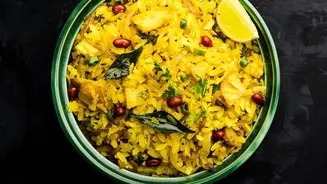
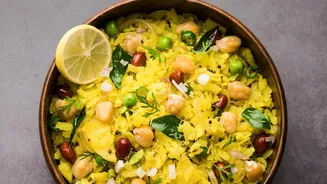
Equally important is how and when a dish is meant to be eaten. Many Indian dishes are tied to a specific time of day, a season, or a festival. Puran Poli, the beloved sweet flatbread from Maharashtra, is a prime example. It's not just a dessert to be had anytime; it's a festive food, central to celebrations like Ganesh Chaturthi and Holi. Traditionally, it is served hot with a dollop of ghee and often accompanied by a special lentil curry called Katachi Amti. When a restaurant serves a cold, pre-made Puran Poli as a generic 'sweet,' it divorces the dish from the joy, ritual, and communal preparation it represents. Similarly, serving a light, breakfast dish like Poha for dinner might seem trivial, but it ignores the cultural rhythm and digestive wisdom embedded in our eating habits.
When Ingredients Are the Identity
The soul of a regional dish often lies in a single, non-negotiable ingredient that connects it to the land. For Bengali cuisine, that ingredient is mustard oil. Its pungent, sharp aroma is the foundational flavour upon which countless dishes are built. To cook a Bengali fish preparation in refined sunflower oil is to create a different dish entirely, even if all the other spices are correct. The choice of mustard oil isn't arbitrary; it's a reflection of Bengal's agriculture, where mustard is a key winter crop. This principle applies across India: the specific souring agent (tamarind in the south, kokum in Konkan, anardana in the north), the type of lentil, or the variety of rice used are all deliberate choices that tell a story of geography and tradition.
Fusion vs. Confusion
This is not an argument against culinary evolution. Food has always travelled and transformed, and creative fusion can lead to wonderful new experiences. The issue arises when 'fusion' becomes a veil for 'confusion'—when dishes are altered not out of creativity, but out of ignorance or for commercial convenience. A chef who understands the original context of a dish can deconstruct and reinvent it thoughtfully. But simply adding paneer to a traditionally non-veg dish or making a 'naan pizza' without respecting the integrity of either component leads to a culinary dead end. It creates novelty without depth and, in the process, misinforms a new generation of eaters about the true nature of their own food heritage. Authentic cooking is not about being rigid; it is about understanding the logic and history behind a recipe before attempting to adapt it.