






So, What Is Your Skin Barrier?
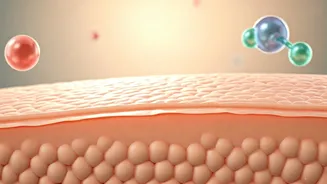
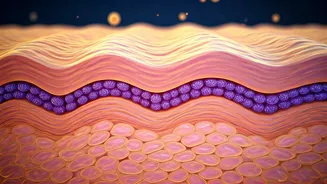
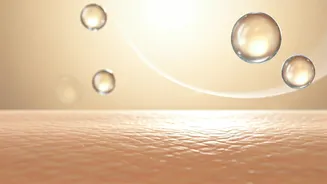
Think of your skin barrier, or stratum corneum, as a protective brick wall. The 'bricks' are your skin cells, and the 'mortar' holding them together is a mix of natural fats like ceramides, cholesterol, and fatty acids. This outermost layer has two critical
jobs: to keep moisture locked in, ensuring your skin stays hydrated and plump, and to keep harmful elements like pollutants, bacteria, and irritants out. When this barrier is healthy and intact, your skin feels soft, resilient, and balanced. But when it gets damaged, it develops microscopic cracks, leaving your skin vulnerable.
Signs Your Barrier Needs Help
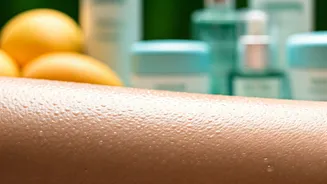
A compromised skin barrier can show up in several uncomfortable ways. Common warning signs include persistent dryness, tightness, and a flaky or rough texture that doesn't improve even after applying moisturiser. You might also notice increased sensitivity, where products you previously loved suddenly cause stinging or burning. Redness, inflammation, and even a sudden increase in acne breakouts can also be signals that your skin's first line of defence has been weakened. If your skin frequently feels irritated or uncomfortable, it's likely crying out for barrier support.
Why the Sudden Shift in Focus?
This trend is largely a response to the recent obsession with aggressive skincare routines. For years, the pursuit of 'perfect' skin led many to overuse high-strength retinoids, exfoliating acids, and multiple active ingredients at once. While effective in moderation, this 'more is more' approach has led to a surge in irritation and sensitivity, as people inadvertently damaged their skin barriers. The move towards barrier repair reflects a broader cultural shift from chasing quick fixes to prioritising long-term skin health. Skincare enthusiasts are now embracing 'skinimalism', focusing on fewer, more effective products that support the skin's natural functions.
Your Barrier Repair Toolkit
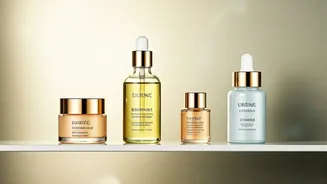
Restoring a damaged barrier is all about choosing ingredients that replenish and fortify it. Ceramides are non-negotiable, as they are the primary building blocks of the barrier itself, helping to fill in the gaps. Niacinamide (Vitamin B3) is another hero ingredient; it not only calms inflammation but also encourages your skin to produce its own ceramides. Humectants like Hyaluronic Acid and Glycerin are vital for drawing moisture back into the skin. Finally, soothing ingredients like Centella Asiatica (Cica), Panthenol (Vitamin B5), and Squalane can help reduce redness and calm irritation while providing gentle hydration.
Building a Barrier-Friendly Routine
The key to barrier repair is simplicity and consistency. For a few weeks, pause all strong actives like retinoids and exfoliating acids. Your morning routine should consist of a gentle, hydrating cleanse (or just a splash of water), a hydrating serum, a moisturiser rich in ceramides, and a broad-spectrum sunscreen. In the evening, use the same gentle cleanser to remove the day's grime and sunscreen, followed by your hydrating serum and a nourishing moisturiser to lock everything in while you sleep. The goal is to soothe, hydrate, and protect, allowing your skin the time and resources it needs to heal itself.