



The Science of Workout Recovery
When you exercise, you create tiny tears in your muscle fibres and deplete your body's primary energy source, known as glycogen. The recovery process is all about repairing this damage and replenishing that energy. To do this effectively, your body needs
two key things: protein and carbohydrates. Protein provides the essential amino acids, which are the building blocks needed for muscle protein synthesis—the process of repairing and rebuilding muscle tissue to become stronger. Carbohydrates, on the other hand, are crucial for refilling those depleted glycogen stores, ensuring you have the energy for your next session. Consuming both together is the gold standard, as carbs can help your body utilize protein more efficiently.
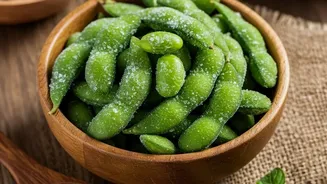
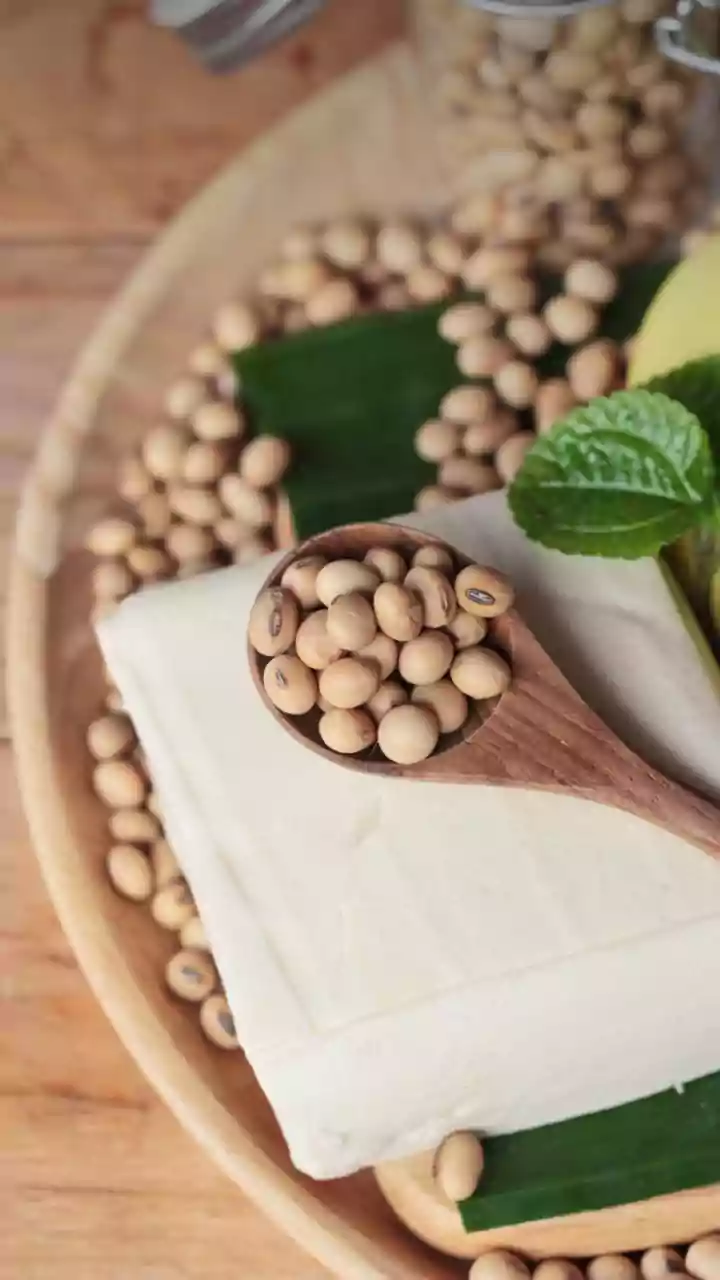
Edamame: The Complete Protein Powerhouse
Not all plant proteins are created equal. Many lack one or more of the nine essential amino acids that our bodies cannot produce on their own. This is where edamame shines. These young, green soybeans are one of the few plant-based foods considered a 'complete protein,' meaning they contain all nine essential amino acids in sufficient amounts. A single cup of cooked edamame provides around 18 grams of high-quality protein, making it an ideal choice for repairing muscle tissue after a workout. Beyond protein, edamame is also a good source of fibre, iron, calcium, and vitamins K and folate, which support everything from bone health to energy production.
Lentils: The Dual-Action Recovery Fuel
Lentils are a fantastic addition to any post-workout meal because they deliver a powerful one-two punch of both protein and complex carbohydrates. A cooked cup offers roughly 18 grams of protein to aid in muscle repair. While lentils are not a complete protein on their own, they are rich in certain amino acids. More importantly, they are packed with slow-digesting carbohydrates, which provide a steady release of energy to replenish your depleted glycogen stores without causing a sugar crash. This combination of protein and carbs makes them a highly efficient recovery food. Furthermore, lentils are loaded with iron, which is critical for transporting oxygen to your working muscles, and minerals like magnesium and potassium that aid in muscle function and recovery.
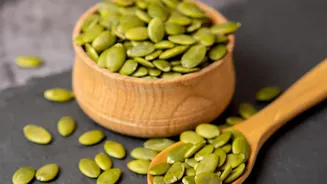
Pumpkin Seeds: The Micronutrient Champions
While protein and carbs are the main players, a host of micronutrients also plays a critical role in recovery, and this is where pumpkin seeds truly excel. These small but mighty seeds are an excellent source of magnesium, a mineral vital for muscle function, energy metabolism, and preventing cramps. They are also packed with zinc, which is essential for protein synthesis and supporting a healthy immune system, which can be stressed after intense exercise. On top of that, pumpkin seeds provide protein, healthy fats, and iron. Sprinkling them on a salad or adding them to a smoothie gives your body a boost of these crucial nutrients that support the deeper processes of repair and reduce fatigue.
Putting It All Together for Optimal Recovery
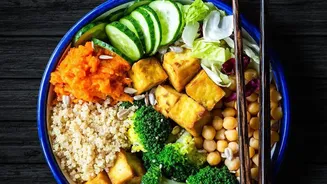
The true strength of this trio lies in their synergy. Edamame delivers the complete protein profile often associated with animal products. Lentils provide the crucial carbohydrates needed for energy replenishment, along with additional protein. Pumpkin seeds round out the profile with essential minerals like magnesium and zinc that are often overlooked but are vital for muscle function and repair. Together, they cover all the nutritional bases for a comprehensive recovery. A post-workout meal could be as simple as a warm salad with steamed edamame, cooked lentils, and a sprinkle of pumpkin seeds. This combination ensures your body gets the complete amino acid profile, replenishes its energy stores, and receives the key minerals needed to bounce back stronger.