

In the quest for flexibility, it's easy to focus on touching your toes. But the true benefits of Paschimottanasana, the Seated Forward Bend, unfold not in the destination, but in the journey—specifically, a slow and mindful one.
Understanding the Seated Forward Bend
Paschimottanasana, which
translates to 'Intense West Stretch', is a foundational yoga posture that targets the entire back side of the body. The 'west' in yoga tradition refers to the back of the body, as practice was often done facing the morning sun. This pose is celebrated for its ability to lengthen the spine, stretch the hamstrings, and calm the nervous system. It provides deep compression to the abdominal organs, which can aid digestion, and offers a moment of quiet introspection as you fold inward. While it appears simple—sitting and folding forward—its true power lies in precise, conscious execution.
The Power of Slow, Mindful Movement
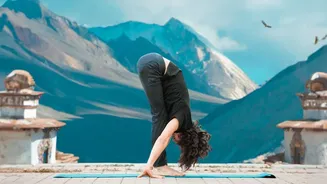
The impulse in a forward bend is often to go as far as possible, as fast as possible, sometimes by bouncing or pulling with the arms. However, this approach can lead to injury, particularly in the lower back and hamstring attachments. Slowing down is crucial. Moving with a controlled, deliberate pace allows your muscles and nervous system time to adapt. When you stretch slowly, you avoid triggering the stretch reflex, a protective response where a muscle contracts to prevent what it perceives as overstretching. Holding a gentle stretch allows the muscle spindles to adapt, reducing their alarm signals and permitting a safe, effective lengthening of the tissue. This mindful approach not only improves flexibility but also enhances your mind-body connection, reduces stress, and cultivates patience in your practice.
A Step-by-Step Guide to a Slower Fold
To practise Paschimottanasana with a focus on slow range of motion, begin by sitting on your mat with your legs extended in front of you. Sit tall on your sitting bones, perhaps moving the flesh away from them with your hands. Inhale and lengthen your spine, reaching your arms overhead to create space in your torso. As you exhale, begin to hinge forward from your hips, not your waist. Imagine your pelvis is a bowl tipping forward. Keep your spine long for as long as you can. Move incrementally with your breath—inhale to find a little more length, exhale to gently deepen the fold. Don't use your arms to pull yourself down; instead, let them rest on your shins, ankles, or a strap looped around your feet. The goal is to feel a stretch, not strain. Once you find your 'edge'—the point where the stretch is noticeable but not painful—pause and breathe there.
Common Misalignments and How to Correct Them
One of the most common mistakes is rounding the lower back early in the pose in an effort to bring the head to the knees. This puts undue pressure on the spinal discs. Instead, focus on bringing your navel toward your thighs, keeping the chest open. Another frequent error is yanking on the feet or a strap, creating tension in the shoulders and neck. Your arms should be relaxed. Also, watch for your feet rolling outward; keep them actively flexed with your toes pointing toward the ceiling to maintain a neutral leg alignment. If you notice any of these habits, ease out of the pose slightly and realign with a focus on hinging from the hips.
Modifications for Every Body
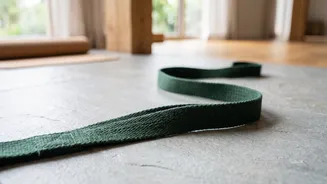
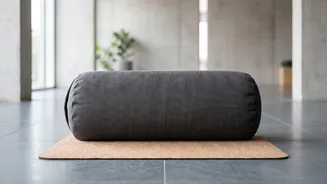
Flexibility is not a prerequisite for yoga. The beauty of this practice is its adaptability. If your hamstrings are tight, the most effective modification is to bend your knees generously. This releases tension in the hamstrings and lower back, allowing your pelvis to tilt forward more easily. You can rest your torso on your thighs. Sitting on the edge of a folded blanket or a block can also help by elevating your hips, making the forward hinge more accessible. A yoga strap looped around the balls of your feet can help you maintain a long spine without rounding forward to reach your toes. These are not 'cheats' but intelligent tools to help you find the right sensation in your unique body.