

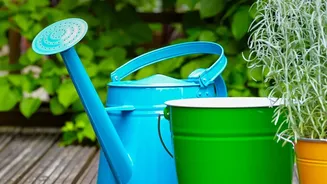
Adjust Your Watering Schedule
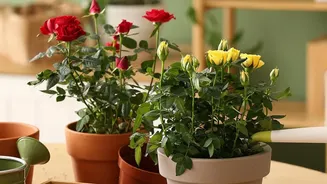
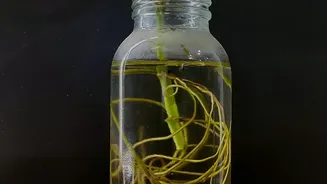
The number one mistake during the monsoon is overwatering. With high humidity in the air, the soil in your pots dries out much slower. Roots sitting in waterlogged soil can't get oxygen, which leads to the dreaded root rot. Before you even think about
watering, use the finger test: poke your finger about an inch into the soil. If it feels damp, wait another day or two. A plant that needed water every few days in the summer might only need it once a week or less during the rainy season. Always remember, it's easier to save an under-watered plant than an overwatered one.
Prioritise Drainage
Good drainage is your best defence against waterlogged soil. Ensure every pot has drainage holes at the bottom. If you use decorative outer pots without holes, make sure to empty any collected water from the saucer or cachepot after watering. Stagnant water is a primary cause of root rot. For an extra measure, you can elevate your pots on small stands. This not only allows water to drain freely but also improves air circulation around the base of the pot, helping the soil to dry more evenly.
Let There Be (More) Light
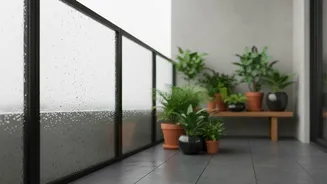
Overcast monsoon skies mean significantly less sunlight for your indoor plants. This can cause them to become 'leggy' as they stretch towards the light, and some may lose their vibrant colour. To compensate, move your plants closer to windows or place them on a covered balcony where they can receive maximum indirect light. Rotating your plants every few days will also ensure that all sides get some exposure, promoting more even growth. Cleaning your windows can also make a surprising difference in how much light gets through on a cloudy day.
Improve Air Circulation
High humidity and still air create the perfect environment for fungal diseases like powdery mildew and leaf spot. Improving air circulation is crucial. If possible, open windows for a few hours on drier days to let fresh air in. Avoid crowding your plants together; giving them space allows air to move between them. A small, gently oscillating fan set on low in the room can also work wonders, helping to dry out the air and the surface of the soil.
Watch for Pests and Fungi
The damp, warm conditions of the monsoon are a breeding ground for pests like fungus gnats, mealybugs, and aphids, as well as fungal infections. Inspect your plants regularly, paying close attention to the undersides of leaves and the soil surface. Fungus gnats thrive in overly moist soil, so letting the top layer dry out is a good deterrent. For fungal issues, which often appear as white powder or dark spots on leaves, ensure good airflow and consider using a neem oil spray as a preventive measure every 10-15 days.
Hold Back on Fertiliser
Plants generally slow their growth during the low-light conditions of the monsoon. Because they aren't actively growing, they don't need the extra nutrients from fertilisers. In fact, fertilising during this time can do more harm than good, potentially leading to 'fertiliser burn' on the roots in the already moist soil. It's best to pause your fertilising routine when the rains start and resume only when you see signs of new growth as the weather becomes sunnier and drier.
Prune and Clean with Care
Gently pruning your plants can help improve their health during the monsoon. Regularly remove any yellow, dead, or decaying leaves and flowers. This not only makes the plant look better but also removes potential sites for fungal growth and improves air circulation through the foliage. Wiping down the leaves with a soft, damp cloth can remove dust that blocks light and may also help get rid of pests before they become a major problem.