






The Core of the Conundrum
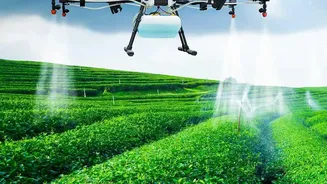
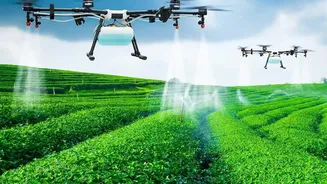
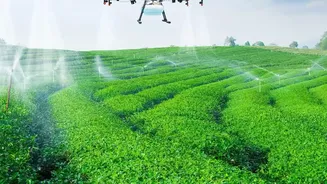
Tea is a sensitive crop, vulnerable to a wide array of pests and diseases. To protect their yields, growers often rely on pesticides. The problem arises when residues of these chemicals remain on the tea leaves that are eventually processed, dried, and packaged
for consumption. Health regulators globally, including India's Food Safety and Standards Authority of India (FSSAI), set Maximum Residue Limits (MRLs) for various pesticides. These are the highest levels of a pesticide residue that are legally tolerated in a food product. The central issue in the Indian tea industry has been the consistent detection of pesticide levels that sometimes exceed these prescribed MRLs, alongside the presence of pesticides not approved for use in tea cultivation at all. This not only poses potential long-term health risks for consumers but also creates significant hurdles for exporters trying to meet the stricter standards of international markets, particularly the European Union.
What the New Framework Proposes
In response to these persistent challenges, a new draft notification is on the table, aiming to overhaul the regulatory approach. The proposed framework, spearheaded by the FSSAI, focuses on a more stringent and comprehensive system for monitoring and controlling pesticide use. A key aspect of the proposal involves revising the MRLs for several existing pesticides, bringing them more in line with global standards. More significantly, it seeks to establish a clear policy for dealing with pesticides that are not officially approved for tea but are sometimes found in trace amounts. Instead of a zero-tolerance approach, which the industry has argued is impractical, the framework may set default MRLs at a very low, but detectable, level for these substances. This acknowledges that trace amounts can result from factors outside a grower's direct control, such as spray drift from neighbouring farms or lingering residues in the soil.
A Look at the Current Rules
The existing regulations are a patchwork of MRLs for a list of approved pesticides. For any pesticide not on this approved list, the current rule is effectively a zero-tolerance policy. This has been a major point of contention. Tea producer associations have long argued that this 'zero residue' standard is scientifically unfeasible. Modern testing equipment is so sensitive that it can detect minuscule traces of substances that pose no practical health risk. Growers argue that these trace detections can lead to entire consignments being rejected, causing significant financial losses, even when they have followed all prescribed good agricultural practices. The proposed framework is therefore seen as a move towards a more scientific and pragmatic regulatory model that distinguishes between deliberate misuse and unavoidable trace contamination.
Industry Hopes and Concerns
The reaction from the tea industry has been cautiously optimistic, albeit with reservations. On one hand, bodies like the Indian Tea Association have welcomed the move away from a zero-tolerance policy, viewing it as a more practical approach that reflects agricultural realities. A clear, updated list of MRLs and a policy on non-approved pesticides would provide growers with much-needed clarity and a predictable regulatory environment. On the other hand, concerns remain about the implementation. Will the new MRLs be achievable for small growers who may lack the resources and training for advanced pest management techniques? Furthermore, there is the economic impact to consider. Shifting to more expensive, approved chemicals and adopting stricter monitoring practices will inevitably increase the cost of production, a burden that may ultimately be passed on to consumers.
What It Means for Your Daily Chai
Ultimately, the goal of this proposed framework is to enhance the safety of the tea you drink every day. If implemented effectively, it should lead to a reduction in harmful pesticide residues and greater transparency in the supply chain. For the consumer, this translates to a higher degree of confidence in the quality and safety of both premium and everyday tea brands. While it might lead to a marginal increase in prices over time, the long-term benefit is a safer product and a more sustainable tea industry. The framework also aims to bolster 'Brand India' in the global tea market, ensuring that our exports are seen as clean, safe, and compliant with the world's toughest food safety standards, securing the industry's future.