





The Promise of a Double Harvest
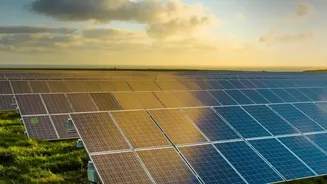
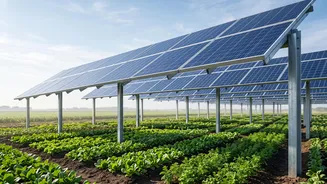
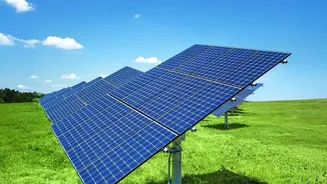
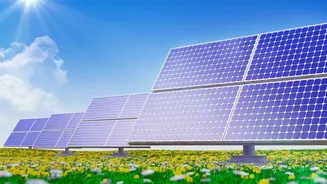
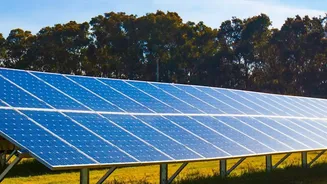
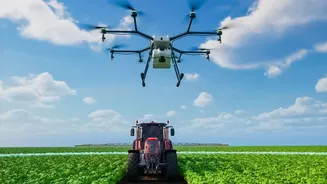
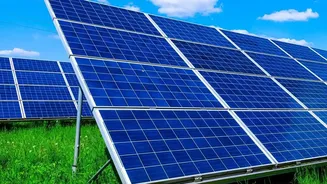
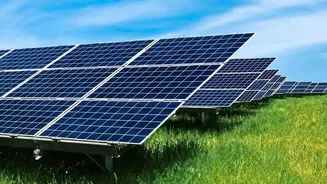
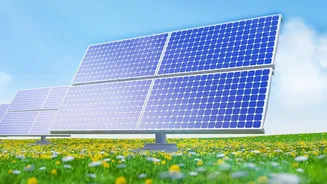
Agrivoltaics, also known as agri-PV, is the practice of using land for both solar power generation and agriculture simultaneously. Instead of choosing between a farm and a solar park, this model elevates solar panels, typically 8 to 15 feet high, allowing
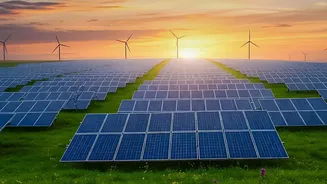
farming activities to continue underneath. For a country like India, where land is a finite and precious resource, this dual-use approach is revolutionary. It addresses the critical need for expanding renewable energy capacity without taking fertile agricultural land out of production. Recently, the Indian government announced plans to formally include agrivoltaics in the next phase of its flagship PM-KUSUM scheme, signaling a major policy push for this technology.
The Science of Shade-Grown Farming
Not all crops react to the partial shade of solar panels in the same way. The microclimate created under the arrays is key. The shade reduces heat stress on plants and lowers soil temperature, which significantly cuts down on water evaporation. Studies have shown this can lead to water savings of 30% or more, a crucial benefit in India's water-scarce regions. While some plants need full, direct sunlight to thrive, many others benefit from the protection offered by the panels, especially during peak afternoon heat. The success of an agrivoltaics project, therefore, depends heavily on matching the right crop to these unique growing conditions.
Star Performers: The Best Crops for Agrivoltaics
Research and pilot projects across India have identified a clear set of 'star performers'. Shade-tolerant leafy greens and vegetables are among the most suitable. Crops like spinach, lettuce, coriander, and cabbage have shown excellent results. Root vegetables such as radishes, carrots, potatoes, and beets also perform well. Furthermore, various spices and herbs, including turmeric, ginger, mint, and basil, are highly compatible. Government assessments and studies by institutes like TERI confirm that horticultural crops—fruits, vegetables, and flowers—are generally the most promising candidates for cultivation under solar arrays.
What About Grains Like Wheat and Rice?
The suitability for staple food grains is more complex. Initial government assessments have suggested that crops like rice and sugarcane, which are highly water intensive or require maximum sunlight, are not well suited for this system. However, recent field validated studies have shown more nuance. Some pilots have demonstrated successful wheat cultivation under solar panels with no significant loss in yield, thanks to the improved microclimate and reduced water stress. Similarly, millets have also shown promise in early trials. Success with these crops often depends on specific design factors, such as the height and spacing of the panels and the local climate, indicating that a one size fits all approach does not work.
More Than Just a Bountiful Harvest
The benefits of agrivoltaics extend far beyond crop yields. For farmers, it offers a crucial second stream of income from selling electricity, providing a buffer against market price volatility and unpredictable weather. A pilot project in Rajasthan, for instance, showed a nearly tenfold increase in farmer income per acre. Environmentally, the system conserves water, improves soil moisture, and contributes to India's ambitious renewable energy targets. It also helps reduce the financial burden on electricity distribution companies (DISCOMs) by decentralizing power generation.
Challenges on the Ground
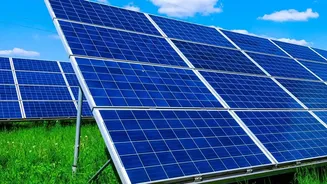
Despite its immense potential, scaling up agrivoltaics in India faces hurdles. The primary challenge is the high upfront capital cost, as elevated structures for solar panels can be 15–30% more expensive than conventional ground mounted systems. Access to affordable finance is a major barrier for small and marginal farmers who make up the majority of India's farming community. Furthermore,' there is a need for clearer policy frameworks,' standardized design guidelines,' and greater institutional coordination to streamline approvals and encourage wider adoption.