





Understanding Visa Wait Times
When discussing US visa applications, it's vital to distinguish between two key timelines. The 'appointment wait time' is the period from when you pay the visa fee to the earliest available date for your interview at a US embassy or consulate. This is the figure
that varies dramatically and requires careful planning. The second timeline is the 'visa processing time', which is the period after your interview until your passport is returned with or without the visa. This is typically much shorter, often just a few business days, unless your case requires further 'administrative processing'. Your primary focus for planning should be the appointment wait time.
A Snapshot of Wait Times in India
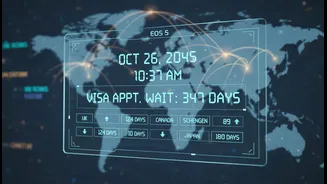
As of mid-2026, wait times for first-time B1/B2 tourist and business visas remain significant across India, though they have improved from post-pandemic peaks that exceeded 800 days. For a first-time interview, applicants can expect to wait anywhere from 100 to over 250 days, depending on the consulate. Recent reports from early July 2026 show the longest waits for B1/B2 visas are in Mumbai and Hyderabad, at approximately 9.5 months. New Delhi follows at around 7.5 months, Chennai at 5.5 months, and Kolkata often has the shortest wait, at roughly 4 months. It's crucial to remember these are estimates that the U.S. Department of State updates regularly.
How to Check Official Timelines
The most reliable source for information is the official U.S. Department of State's 'Global Visa Wait Times' tool. This online portal provides estimated interview wait times for various nonimmigrant visa categories at US embassies and consulates worldwide. To use it, you simply navigate to the website and select the city where you plan to apply. The tool will show the estimated wait time for different visa types, such as visitor (B1/B2), student (F, M, J), and petition-based work visas (H, L, O, P, Q). Always use this official source, as wait times can change weekly based on demand and consular staffing.
Why Do Wait Times Fluctuate?
Several factors contribute to the long and fluctuating wait times for US visas in India. The primary driver is the sheer volume of applications, which has grown immensely. The US Mission to India processed a record number of visas in recent years, highlighting the massive demand. Other factors include seasonal peaks, especially for student visas in the months leading up to academic start dates, and the number of consular officers available at each post. Additionally, policy changes, such as new security screening measures, can temporarily reduce daily interview capacity and cause backlogs to grow.
Strategic Planning for Your Application
Given the long waits, planning is key. You should begin the application process as early as possible, ideally 6-12 months before your intended travel date for a tourist visa. Indian applicants generally have the flexibility to schedule their interview at any of the five posts in India (New Delhi, Mumbai, Chennai, Kolkata, and Hyderabad). If your travel plans are flexible, check wait times at all locations, as posts like Kolkata or Chennai sometimes have shorter queues than Mumbai or Delhi. After booking an appointment, it is wise to check the scheduling portal frequently. Slots often open up due to cancellations, which may allow you to reschedule for an earlier date. For those renewing a visa, the interview waiver or 'dropbox' program can be much faster, often taking 2 to 6 weeks.