



The Philosophy: Think in Layers
The secret to managing different climates isn't packing more; it's packing smarter. The core principle is layering. Instead of a bulky sweater, think of a combination: a base layer (like a t-shirt), a mid-layer (a long-sleeve shirt or thin fleece), and
an outer shell (a packable waterproof jacket). This system allows you to adapt on the fly. Feeling warm? Shed the outer layer. A cool breeze picks up? Add the mid-layer back on. This approach is far more space-efficient and versatile than packing single-purpose, climate-specific garments. Every item should be able to be worn in combination with others, creating a travel wardrobe that is much larger than the sum of its parts.
Your Foundation: The Right Bag and Shoes
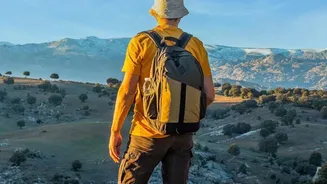
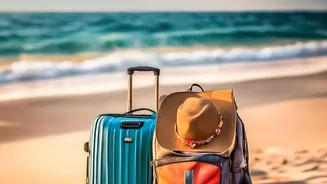
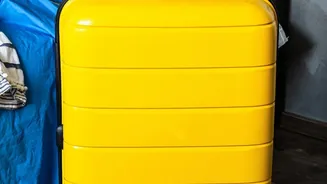
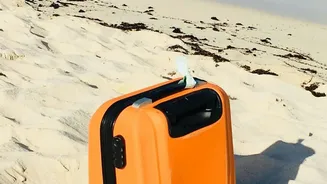
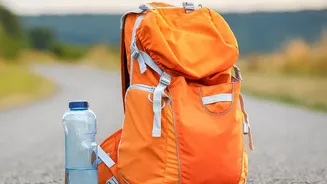
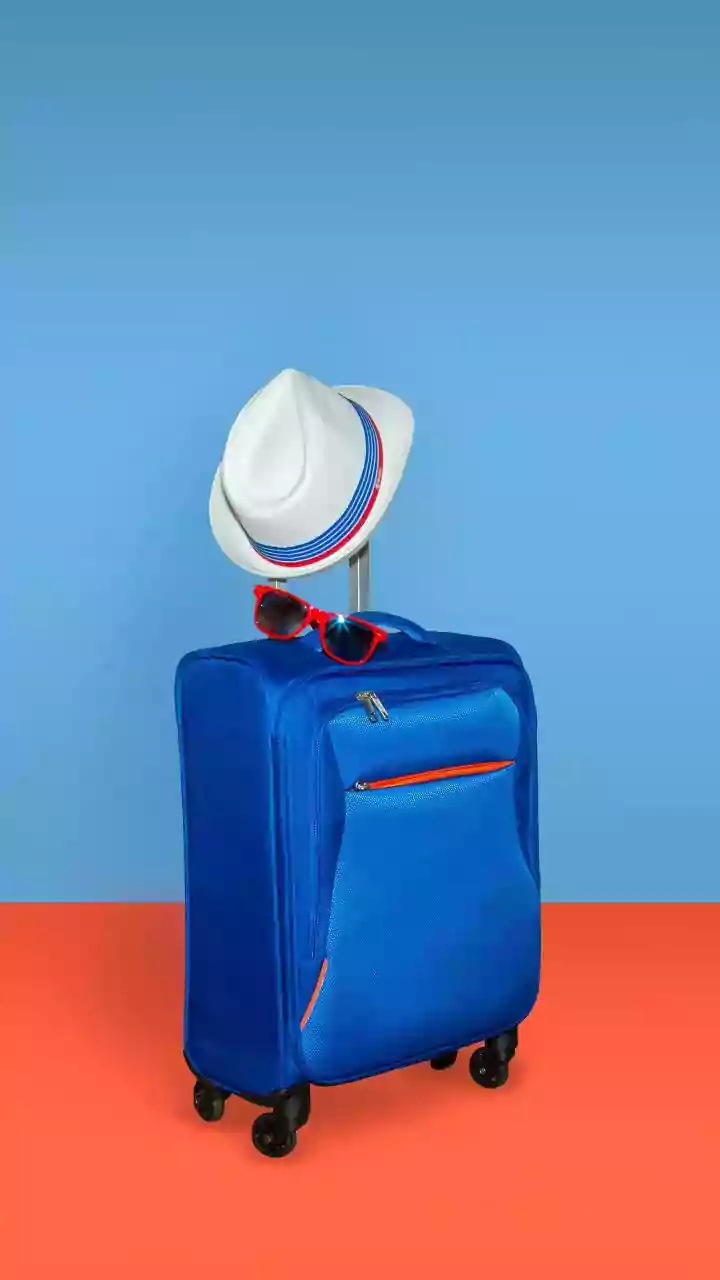
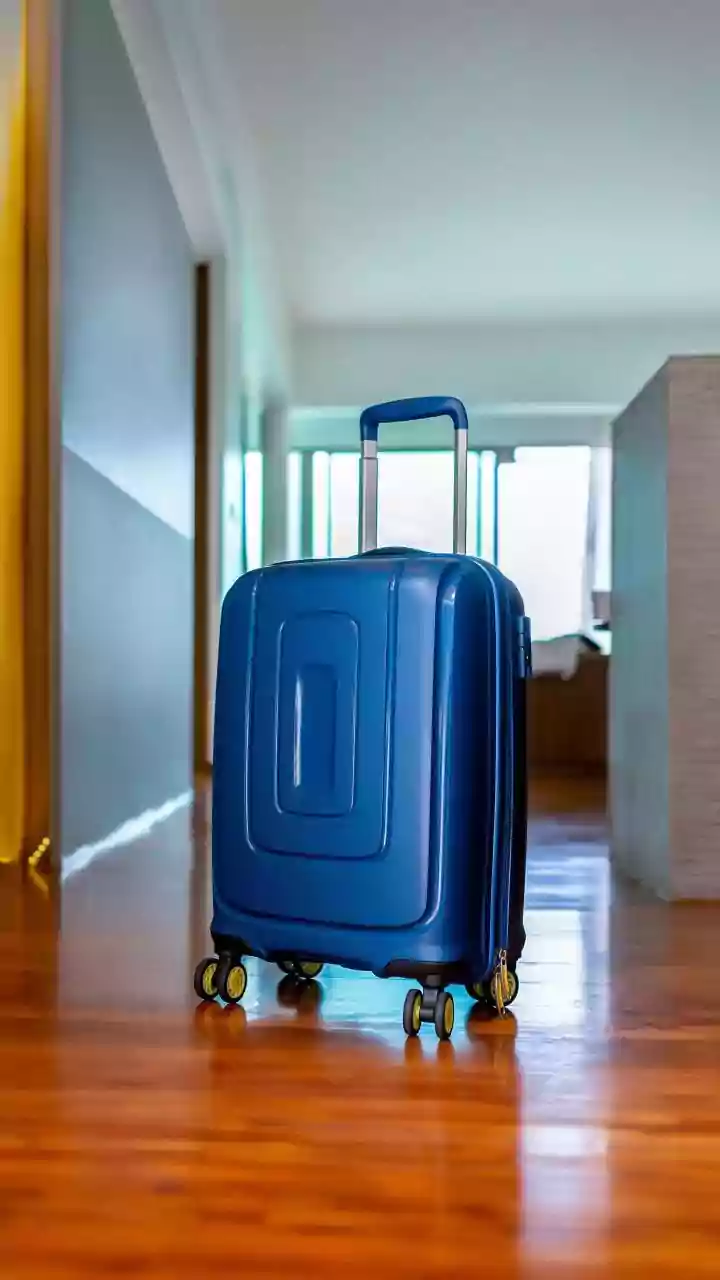
Before you even think about clothes, consider your bag. Many budget airlines enforce a 7kg total weight limit for carry-on luggage. This means the weight of the bag itself is critical. Opt for a lightweight backpack or soft-shell suitcase that weighs 1.5kg or less when empty. This maximizes the allowance for your actual belongings. Next, shoes. They are often the heaviest and bulkiest items. The rule is to wear your heaviest pair—likely comfortable boots or sneakers—on the plane. Pack only one other versatile pair, like flat sandals or packable slip-ons, that can work for casual walks or a nicer dinner.
Fabric is Your Superpower
The materials your clothes are made from will make or break your light-packing strategy. For variable weather, some fabrics are clear winners. Merino wool is a top contender; it’s lightweight, surprisingly warm for its weight, breathable in the heat, and naturally odour-resistant, meaning you can wear items multiple times without washing. For base layers and shirts, fabrics like cotton, linen, and blends are excellent for warm conditions due to their breathability. Synthetics like polyester and nylon are also great choices, especially for outer layers or activewear, because they are durable, wrinkle-resistant, and quick-drying. Avoid heavy, slow-drying fabrics like conventional denim and bulky cotton fleece.
Building Your 7kg Capsule Wardrobe
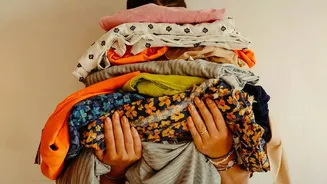
A capsule wardrobe consists of a small number of interchangeable items that can be mixed and matched to create numerous outfits. For a multi-climate trip, your capsule should revolve around the layering principle. Here’s a sample list to guide you: - Tops: Pack four to five tops. Include a mix of short-sleeve tees (in cotton or merino), one or two long-sleeve base layers, and perhaps one nicer button-down shirt that can be dressed up or worn open as a light jacket. - Mid-Layers: One versatile sweater or fleece is usually sufficient. A merino wool or cashmere sweater offers excellent warmth for minimal weight. - Bottoms: Two or three pairs are plenty. Choose versatile pants that can be used for walking but also look smart enough for an evening out. A pair of well-fitting travel trousers and a pair of dark jeans or chinos are good options. - Outerwear: A lightweight, waterproof, and windproof jacket is non-negotiable. It serves as your primary defense against rain and wind and can be layered over your mid-layer for warmth. - Formal/Extra: A versatile dress or a smart shirt can be included for dressier occasions. A sarong or large scarf is another fantastic multi-use item that can act as a wrap, a skirt, a blanket, or a towel.
The Art of Packing and Toiletries
How you pack is as important as what you pack. Rolling your clothes tightly is a widely recommended technique to maximize space and minimize wrinkles. Packing cubes are another game-changer, allowing you to compress items and keep your bag organized by category—one for tops, one for bottoms, etc. This makes finding what you need without unpacking everything much easier. For toiletries, ditch the full-size bottles. Opt for solid versions of shampoo, conditioner, and soap to save space and avoid liquid restrictions. For anything you must bring in liquid form, use refillable travel-sized bottles under 100ml.