

The Rise of the Curve
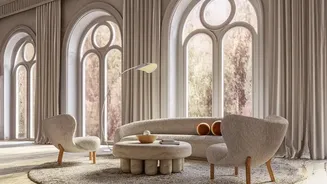
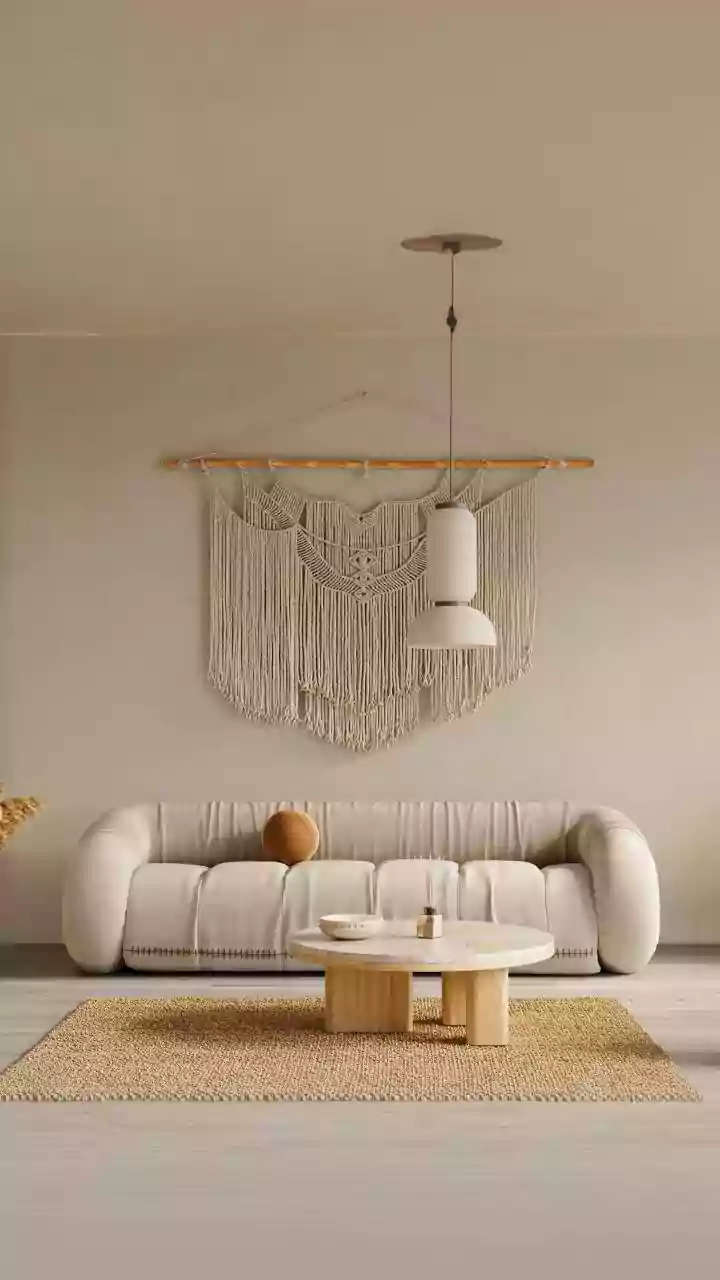
For years, modern Indian interiors were dominated by sharp lines and boxy furniture. Today, there’s a clear shift towards softer silhouettes. Sharp-edged sofas are giving way to ones with rounded arms and curved backs. Rectangular coffee tables are being
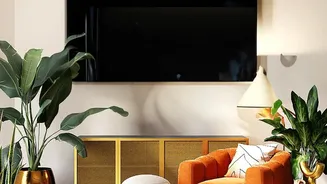
replaced by oval and organic shapes that encourage flow and conversation. This move isn't just about aesthetics; it's about feeling. Curves make a room feel more welcoming and less rigid. In compact urban apartments, rounded furniture is also more practical, as it's easier to navigate without bumping into sharp corners. This trend is part of a broader movement towards 'organic modern' design, which fuses clean, modern lines with natural forms to create spaces that feel both contemporary and comforting.
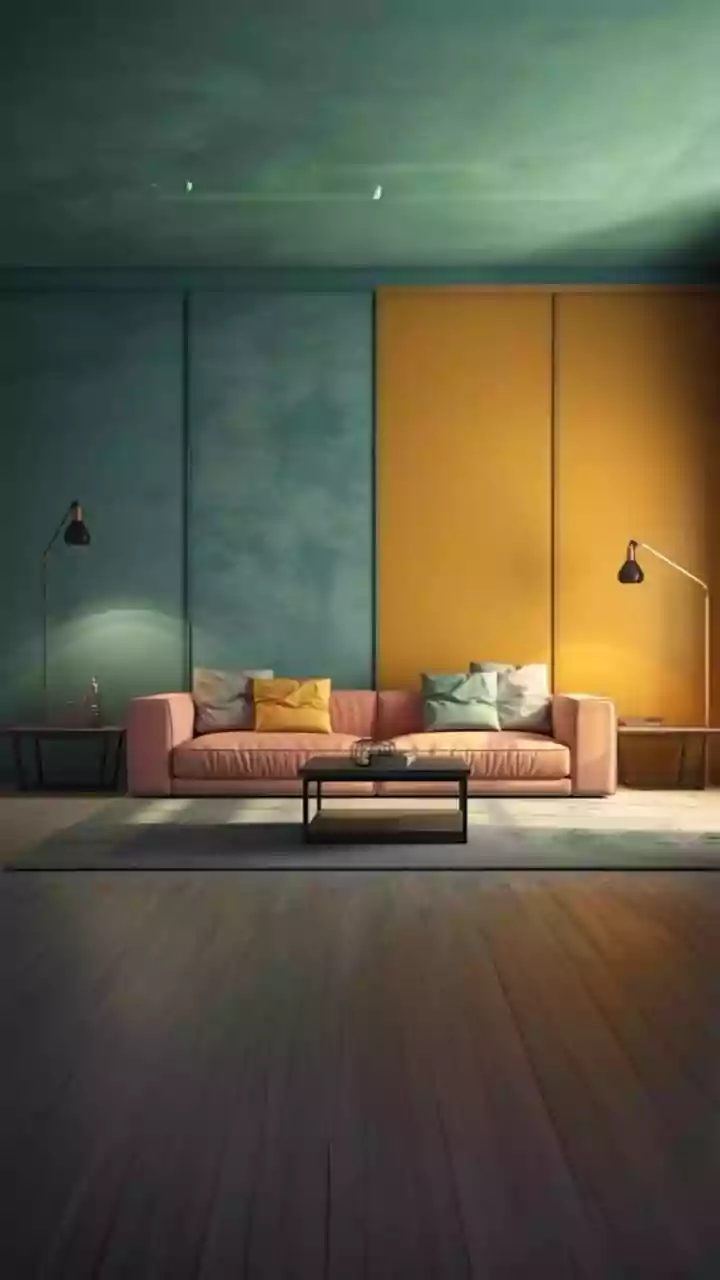
A Celebration of Texture
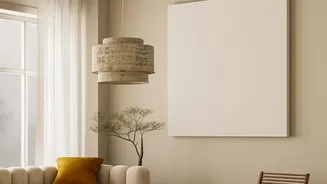
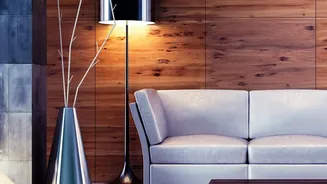
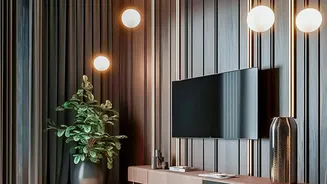
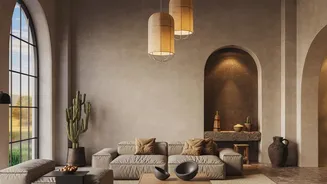
Flat, uniform surfaces are out; tactile, layered textures are in. This is one of the most significant shifts in Indian interior design. Walls are no longer just a backdrop; they are becoming a feature in themselves, with finishes like subtle limewash, fine-grained micro-concrete, and soft, brushed effects that play with light. Interior designers note that paint can sometimes feel flat, whereas textured panels or finishes bring an architectural depth and character to a room. This focus on tactility extends to furniture and decor. Natural materials like wood, rattan, jute, and linen are celebrated for their inherent texture. From hand-woven jute rugs underfoot to linen curtains that soften sunlight, these materials add warmth and a connection to nature, creating a space that begs to be touched.
Letting the Light In
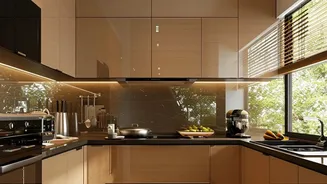
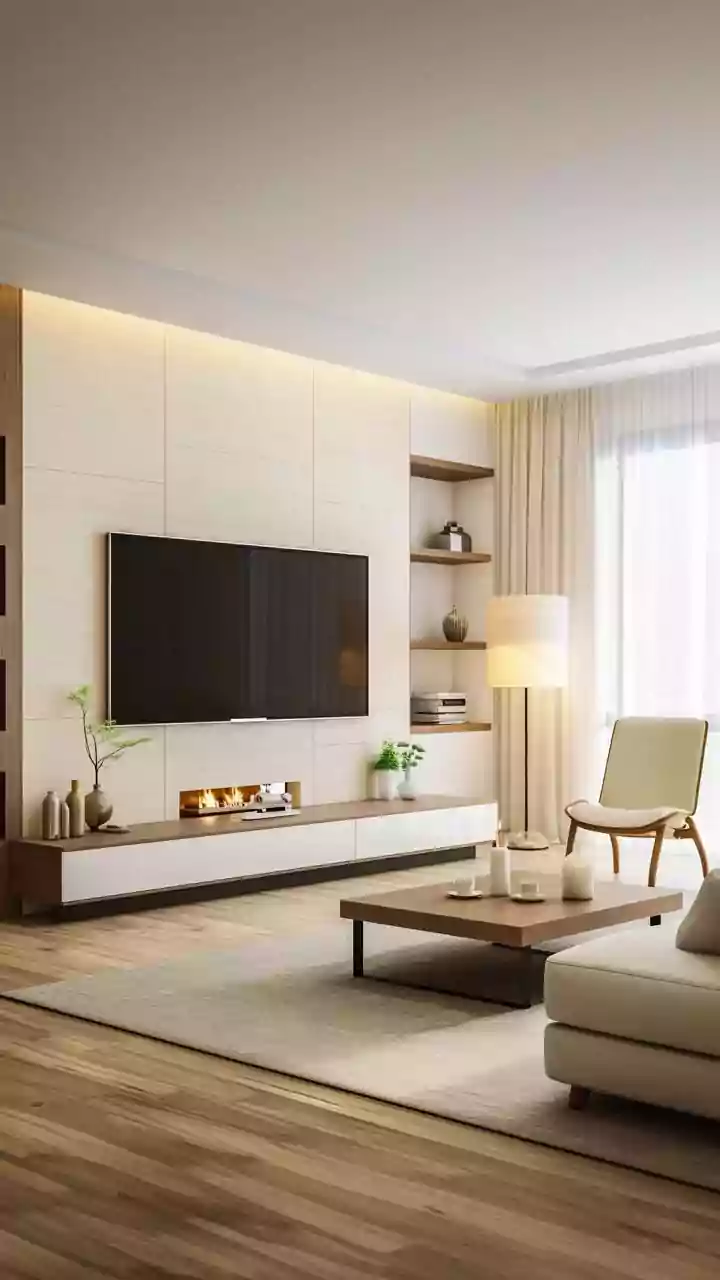
Perhaps the most impactful element in this new design language is the renewed appreciation for natural light. Architects and designers are increasingly creating homes that are choreographed around daylight, recognizing its ability to shape mood, reveal texture, and make a space feel alive. While India is one of the most generously daylit countries in the world, contemporary urban construction has often resulted in gloomy interiors. The new approach seeks to correct this. This involves practical choices like incorporating large windows, using sheer curtains instead of heavy drapes, and opting for neutral, light-reflecting colour palettes like beige, cream, and off-white to make spaces feel brighter and more expansive. This focus on daylight is linked to well-being, as exposure to natural light is known to improve mood and regulate our internal clocks.
The Japandi Influence
Underpinning this entire aesthetic is the growing influence of Japandi design—a hybrid of Japanese minimalism and Scandinavian warmth. This style has become incredibly popular in urban India because it offers a retreat from the chaos of modern life. Japandi principles align perfectly with the move towards curves, texture, and light. It favours natural materials, warm neutral palettes, handcrafted objects, and clutter-free spaces. It’s not about stark minimalism, but about 'considered simplicity'—keeping only what is beautiful and functional. This philosophy resonates deeply with traditional Indian design values, which have always celebrated natural materials and craftsmanship, from terracotta pots to hand-block prints. The result is a home that feels calm, intentional, and deeply personal.