



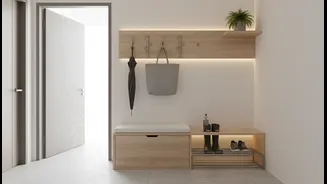


The Great Indian Space Crunch
Living in a metro city often means embracing a compact lifestyle. Apartments, particularly 1BHK and 2BHKs, are getting smaller, forcing homeowners to become masters of space management. The challenge isn't just about fitting in furniture; it's about creating
a home that feels open, organised, and clutter-free. This is where traditional, bulky storage units fall short. They occupy valuable floor space and can make a room feel cramped. The modern Indian home requires a new approach—one that is built-in, multifunctional, and intelligent.
Thinking Beyond the Cupboard
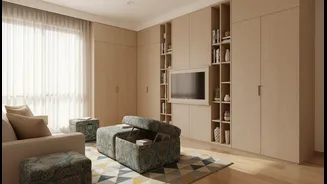
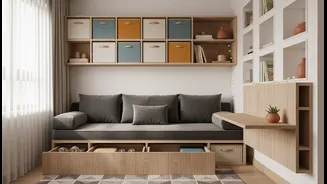
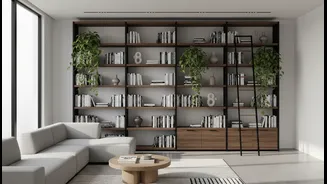
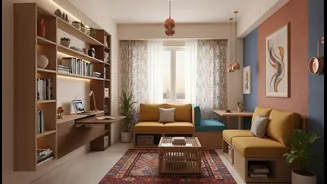
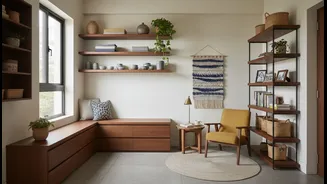
The first step towards a storage-efficient home is to see potential in unused spaces. This means going vertical and getting creative with hidden compartments. Maximising vertical space with floor-to-ceiling shelves or modular units can dramatically increase storage without taking up more floor area. Multi-functional furniture is another game-changer for Indian homes. A sofa that doubles as a bed, a coffee table with a hollow core for storage, or an ottoman that can hide away blankets are no longer just novelties but necessities. Beds with hydraulic lifts reveal a massive storage cavity underneath, perfect for stowing away seasonal clothes and luggage that would otherwise need a separate cupboard.
Introducing the Smarter Wardrobe
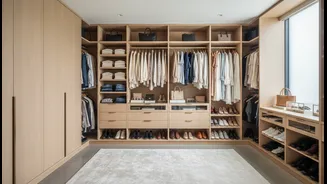
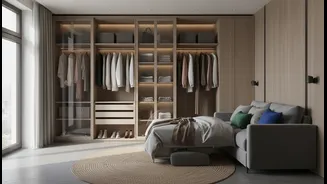
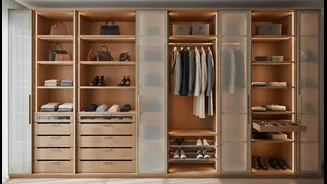
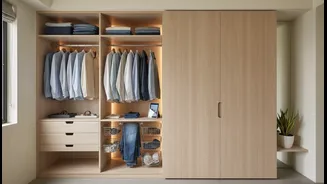
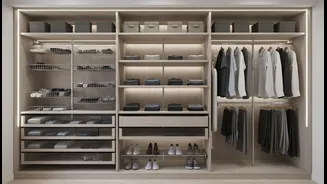
A 'smarter wardrobe' is more than just a place to hang clothes; it's an intelligent system designed for efficiency. In the context of a small flat, its smartest feature is often its design. Sliding doors, for instance, eliminate the need for door clearance space, a simple but significant advantage in a tight bedroom. Inside, the intelligence continues with modular inserts that you can customise. Think pull-out racks that bring clothes to you, making every corner accessible, or integrated, motion-activated LED lights so you can see everything clearly. Some designs even feature hidden pull-out mirrors or ironing boards that tuck away seamlessly, removing the need for separate, space-consuming items.
Connecting Smart Design with Hidden Spaces
The real magic happens when these 'smarter wardrobes' are not seen as standalone pieces but as part of an integrated home storage strategy. The 'connection' is about a unified design philosophy. Your floor-to-ceiling wardrobe can be designed to blend into the wall, sharing a material palette with other hidden storage like under-stair drawers or a window seat with a storage bench. Technologically, the connection is becoming more tangible. While a single app controlling every drawer is still futuristic for most, the principle of centralised convenience is key. For example, a smart wardrobe with a voice-activated light can be part of a larger smart home setup that you control from your phone, creating a seamless living experience. The furniture itself becomes part of your home's integrated technology.
Making It a Reality in Your Home
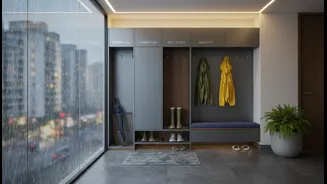
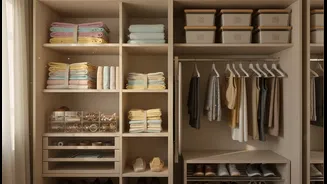
Creating a storage-efficient home doesn't require a complete overhaul overnight. Start by identifying the most cluttered areas in your flat. Is it the entryway, the kitchen, or the bedroom? Begin with one space. For the bedroom, consider retrofitting your existing wardrobe with modular inserts or pull-out racks. If buying new, prioritise a wardrobe with sliding doors and customisable interiors. For living areas, look for one or two pieces of multi-functional furniture, like nesting tables or a storage ottoman, to replace older, single-purpose items. The key is to plan storage as an integral part of your home's design from the beginning, rather than as an afterthought. By combining clever, hidden storage solutions with the efficiency of a smarter wardrobe, you can transform a small flat into a highly functional and comfortable home.