





A Tea That’s Built Different
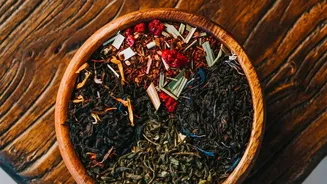
Before it was a chic cold brew, Nilgiri tea was one of India's best-kept secrets, hailing from the Blue Mountains of Southern India. Unlike the robust, malty profile of Assam or the delicate, floral notes of Darjeeling, Nilgiri tea offers a uniquely balanced
and aromatic character. It’s known for being fragrant, medium-bodied, and exceptionally smooth, with a naturally subtle sweetness. Critically for the cold brew trend, Nilgiri tea lacks the high levels of tannins that can make other black teas become bitter or cloudy when chilled. Its inherent flavor is often described as brisk and clean, with fruity or floral high notes, making it an ideal canvas for a refreshing beverage that doesn’t require a ton of added sugar to be palatable. This quality makes it perfectly suited for the cold brewing process, which involves steeping leaves in cold water for several hours. The result is an incredibly smooth, clear, and flavorful drink that highlights the tea’s natural character.
Riding the Low-Sugar Wave
The rise of Nilgiri cold brew isn't happening in a vacuum. It’s perfectly timed with a massive consumer shift toward healthier, low-sugar beverages. Health-conscious urbanites, particularly Millennials and Gen Z, are actively seeking alternatives to sugary sodas and juices. Data shows a significant portion of U.S. consumers now regularly purchase low- or zero-sugar drinks, driven by a desire for wellness and clean-label products. Nilgiri cold brew fits this demand perfectly. Because the tea is naturally smooth and slightly sweet, brands can offer a ready-to-drink product with little to no added sugar, delivering flavor without the calories or the sugar crash. This positions it as a sophisticated, healthy indulgence—more interesting than water, but far healthier than a traditional sweetened iced tea.
The Art of Selling Authenticity
So, how are these small, artisanal brands convincing a discerning urban audience to try something new? The strategy is a masterclass in modern craft marketing. It begins with storytelling. Brands are leaning heavily into the narrative of Nilgiri—its unique terroir in the Blue Mountains, the year-round harvest, and its status as a hidden gem of the tea world. This creates a sense of discovery and authenticity that resonates with consumers tired of mass-market products. The marketing playbook is borrowed directly from the craft beer and coffee industries: build an authentic brand identity and tell a compelling story. This is amplified through a distinct visual language. Packaging is often minimalist and elegant, designed to stand out on a crowded shelf and appeal to a design-conscious consumer. It’s a bottle you’d be happy to carry around or post on social media.
Targeting the Modern Palate
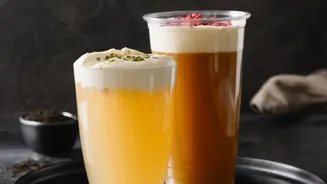
Beyond a good story, distribution and digital presence are key. Instead of trying to compete in every supermarket, artisanal Nilgiri brands are selective. They target channels where their ideal customer already shops: boutique grocery stores, independent coffee shops, wellness centers, and direct-to-consumer online sales. This strategy reinforces the premium, curated nature of the product. Online, the marketing is visual and community-focused. Brands use platforms like Instagram to showcase the tea’s beautiful golden color, share behind-the-scenes content of the brewing process, and collaborate with wellness and lifestyle influencers who align with their brand values. The messaging focuses not just on the product, but the lifestyle it represents: mindful, healthy, and discerning. It's less about a hard sell and more about inviting consumers into a community built around a shared appreciation for quality and craft.