





A Masterclass in Galle
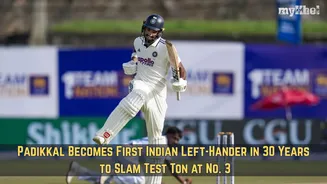
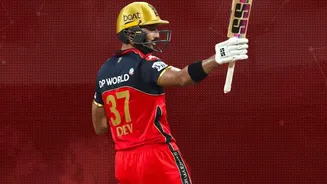
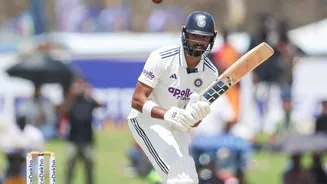
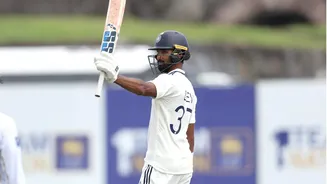
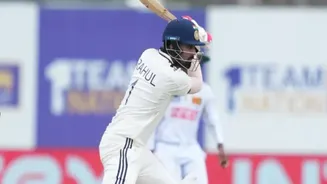
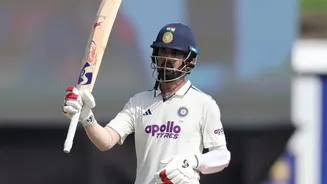
Stepping onto the crease in Galle, Devdutt Padikkal delivered an innings of immense substance and style. Recalled to the side due to an injury to Sai Sudharsan, the elegant left-hander displayed maturity beyond his years. His knock of 167, scored off
230 deliveries, was the cornerstone of India’s innings in the first Test. It was a performance defined by composure under pressure, especially with rain interruptions threatening momentum. Padikkal blended classic defensive technique with assertive stroke play, hitting 15 fours and a six, and received a standing ovation for his efforts. His performance was not just about the runs he scored, but the manner in which he scored them, answering questions about India's batting lineup with authority.
The Sanctity of Number Three
The No. 3 position in Test cricket is arguably the most demanding role in the game. This batter must be prepared to face the new ball if an opener falls early, yet also possess the skill to build an innings against older, turning balls. It requires the technical soundness of an opener and the adaptability of a middle-order player. For decades, India's cricketing identity has been shaped by the stalwarts who have made this position their own. They are the pivots around which the entire batting unit revolves, tasked with blunting the opposition's attack and setting the platform for a dominant total. This position doesn't just demand runs; it demands resilience, character, and an unyielding resolve.
In the Footsteps of Giants
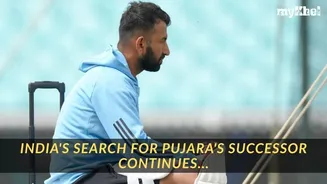
With his 167, Padikkal became only the third Indian batsman to score 150 or more at the No. 3 position in a Test against Sri Lanka. The other two names on that list are Rahul Dravid (177 in 2009) and Cheteshwar Pujara (153 in 2017). This is the elite club the young Karnataka batsman has now joined. Dravid, famously known as 'The Wall', built a legendary career on his unbreakable defence and unshakeable concentration at No. 3. Pujara followed in his footsteps, becoming India's modern-day rock, known for grinding down opposition attacks with immense patience. For Padikkal to produce an innings of such magnitude, putting him in the same statistical bracket as these two titans of the game, is a monumental achievement.
A Different Kind of Resilience
What makes Padikkal's inclusion in this list even more fascinating is his style. While Dravid and Pujara were masters of attrition, Padikkal is a naturally fluent, attacking player, celebrated for his timing and elegance. Yet, his innings in Galle was a testament to his adaptability. According to batting coach Sitanshu Kotak, Padikkal had been meticulously working on his back-foot game and shot selection to prepare for the turning pitches of Sri Lanka. This innings wasn't just a display of talent; it was a demonstration of a player consciously evolving his game. He showed the grit and hunger to convert a maiden Test hundred into a big score, a quality he has said he admires in his seniors from Karnataka.
The Road Ahead
This innings has, for many fans and pundits, provided a compelling answer to the long-standing question of India's next great No. 3. While it is just one performance, its significance cannot be understated. It came in challenging overseas conditions, in a role that carries immense historical weight. Padikkal's knock was not just a career-best score; it was a statement. It signalled that he has both the technique and the temperament to thrive in the longest format of the game. While the pressure to consistently perform will be immense, this innings in Galle has laid a formidable foundation. It has proven that he belongs in the conversation and has the potential to carve out his own legacy in Indian cricket's most storied batting position.