



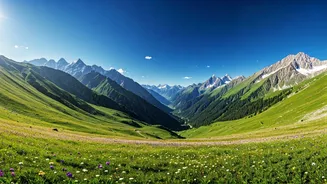


Why the Hills Are Calling Louder Than Ever
This summer season has seen an extraordinary surge in tourist traffic to the mountains. The primary driver is the intense heatwave across North India, with temperatures soaring and making life in the plains unbearable. [9, 28, 32] This climate-driven
exodus is coupled with the annual school summer vacations, creating a perfect storm of tourist activity. [9, 20] Furthermore, improved infrastructure, like new expressways, has significantly reduced travel time from major cities like Delhi, making a weekend trip to the mountains more feasible than ever. [13, 14, 26] The result is a massive influx, with hotel occupancies in popular towns soaring to between 80% and 95%. [6, 12]
1. Shimla, Himachal Pradesh: The Enduring Queen
Shimla, the long-standing 'Queen of Hills', remains a perennial favourite. [8] Its colonial-era architecture, bustling Mall Road, and the scenic Kalka-Shimla railway (a UNESCO World Heritage Site) continue to charm visitors. [7] This season, the city is overflowing, with an estimated 15 lakh vehicles entering between early May and mid-June. [20] While the pleasant weather and stunning views are a major draw, visitors should be prepared for significant traffic congestion and crowded tourist spots. [13, 17] The nearby town of Kufri is also experiencing a heavy tourist rush, attracting visitors with horse rides that offer panoramic mountain views. [18]
2. Manali, Himachal Pradesh: Adventure's Playground
For those seeking more than just relaxation, Manali is the ultimate hub of adventure. [19] It serves as a base for river rafting, paragliding in Solang Valley, and is the gateway to the high-altitude deserts of Lahaul and Spiti via the Atal Tunnel and Rohtang Pass. [7, 12] The recent opening of high-altitude passes for the season has further boosted tourism, with thousands of vehicles heading towards Rohtang to see the snow. [9, 12] This popularity comes at a cost, however, with the Mandi-Kullu-Manali route frequently choked with bumper-to-bumper traffic. [6, 9]
3. Mussoorie, Uttarakhand: The Accessible Charmer
Known as the 'Queen of the Garhwal Hills', Mussoorie's proximity to Delhi makes it an incredibly popular weekend destination. [8, 13] The recent opening of the Delhi-Dehradun Expressway has further amplified this, leading to what some call a weekend "explosion" of tourists. [13, 24] The town's charming Mall Road, cafes, and viewpoints like Lal Tibba are packed with visitors escaping the city heat. While its accessibility is a huge advantage for a quick trip, the resulting crowds can paralyze the town's main arteries, so planning a mid-week visit might be a smarter choice. [13, 24]
4. The Quieter Alternatives: Seeking Solitude
While the main hubs are bustling, North India offers several less-crowded gems for those willing to venture further. Destinations like Jibhi and Tirthan Valley in Himachal Pradesh provide a more tranquil experience with pristine rivers and lush forests. [7, 16] In Uttarakhand, places like Auli, with its stunning Himalayan views, and the quieter town of Lansdowne are emerging as strong contenders for travellers looking to avoid the crowds. [7, 16] These destinations offer a chance to connect with nature without the traffic jams, catering to a growing demand for peace and slower-paced travel. [8]
A Word on Smart and Responsible Travel
The massive tourist influx, while a boon for local economies, is putting immense pressure on the fragile ecosystems and infrastructure of these mountain towns. [10, 13, 24] Overtourism is leading to traffic chaos, parking shortages, and concerns about waste management. [9, 24] As a traveller, you can make a positive impact. Consider visiting during the week instead of on weekends, book your accommodation in advance, and carry a reusable water bottle to reduce plastic waste. Follow traffic rules and be mindful of local customs and the environment to help preserve the beauty of these destinations for years to come. [12, 24]