
Understanding the Sawan Fast
The Sawan, or Shravan, month is a deeply spiritual time dedicated to Lord Shiva, with many devotees observing fasts, especially on Mondays (Somwars). The traditional diet, known as a 'phalahar' or sattvic diet, excludes regular grains like wheat and rice,
lentils, onions, garlic, and regular salt. Instead, it relies on specific ingredients like buckwheat (kuttu) flour, water chestnut (singhara) flour, amaranth (rajgira), barnyard millet (samak rice), tapioca pearls (sabudana), potatoes, sweet potatoes, dairy, fruits, and rock salt (sendha namak). While these ingredients are nourishing, the traditional preparation often involves deep-frying puris, pakoras, and tikkis, which can lead to feelings of sluggishness and defeat the purpose of a light, cleansing diet.
Baked Sabudana Vada Instead of Fried
Sabudana is a fasting staple, loved for the instant energy it provides. However, the classic sabudana vada is deep-fried. For a healthy twist, try baking them. Mix your soaked sabudana with boiled and mashed potatoes, coarsely crushed roasted peanuts, green chillies, and sendha namak. Instead of shaping them into vadas and frying, make small, flattened tikkis, lightly brush them with ghee, and bake in a preheated oven or an air fryer until golden brown and crisp. You get the same delightful taste and texture but with significantly less oil, making it a lighter and more digestible option.
Kuttu or Rajgira Cheela Over Puris
Kuttu (buckwheat) and rajgira (amaranth) flours are nutrient-dense, high in protein and minerals. Instead of making the customary deep-fried kuttu puris, opt for a light cheela (savoury pancake). Create a thin batter by mixing either kuttu or rajgira flour with water, sendha namak, and finely chopped green chillies or grated ginger. You can even add grated bottle gourd (lauki) or mashed potato to the batter for extra softness and nutrition. Cook the cheela on a non-stick tawa with minimal ghee until crisp. It pairs wonderfully with a simple bowl of curd or a vrat-friendly tomato chutney.
Nutrient-Packed Samak Rice Pulao
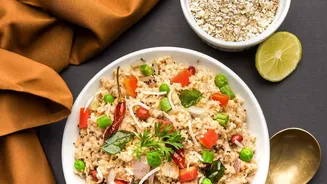
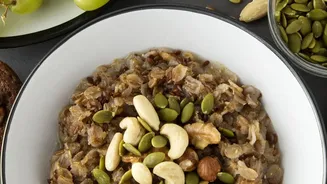
Samak rice, or barnyard millet, is a fantastic gluten-free substitute for rice during fasts. Instead of a simple potato-heavy preparation, turn it into a vegetable-rich pulao. Sauté cumin seeds in a little ghee, then add diced vrat-friendly vegetables like pumpkin, bottle gourd, and potatoes. Add the washed and soaked samak rice, rock salt, and black pepper. Cook with double the amount of water until the millet is fluffy and cooked through. The added vegetables increase the fibre and vitamin content, making it a more balanced and wholesome one-pot meal.
Roasted Makhana and Nut Mix
For those in-between meal hunger pangs, it's easy to reach for a packaged snack. A much healthier and vrat-compliant alternative is roasted makhana (fox nuts). Makhana is low in calories but rich in protein, calcium, and magnesium. Simply dry-roast them in a pan until crisp, or use a tiny amount of ghee and sprinkle with sendha namak and black pepper. For an even bigger nutritional boost, create a trail mix by adding roasted peanuts, almonds, and walnuts. This snack provides sustained energy from healthy fats and protein, keeping you full and focused.
Fruit and Yogurt Smoothies
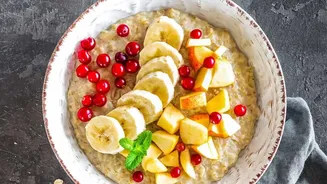
Fruits are a cornerstone of any fasting diet, offering natural sugars, vitamins, and hydration. Elevate your fruit intake by blending it into a creamy smoothie. Combine a banana, a handful of berries, or chunks of apple with plain yogurt (dahi) in a blender. You can add a spoonful of soaked chia seeds (if your tradition permits) or a few almonds for extra protein and healthy fats. This makes for a refreshing and filling breakfast or a light meal that is easy to digest and requires no cooking.