



Our Enduring Love for Achaar
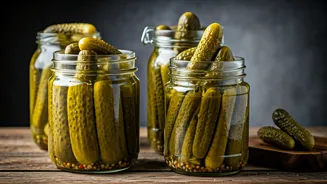
For many in India, a meal feels incomplete without a pickle on the side. Whether it's the fiery mango, tangy lemon, or a complex mixed vegetable variant, achaar is more than just a condiment; it's a culinary heritage passed down through generations. It
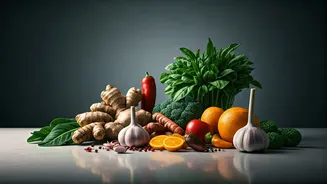
adds a burst of flavour, cutting through the richness of curries and breathing life into simple dishes like dal and rice. Traditionally, pickling was a method of preservation, ensuring seasonal produce could be enjoyed year-round. Many homemade pickles, especially fermented ones, are also a source of probiotics, antioxidants, and digestive spices that can offer health benefits when consumed in moderation.
The Monsoon Digestive Challenge
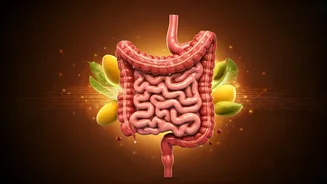
The arrival of the monsoon provides relief from summer heat but also presents unique health challenges. High humidity and a greater risk of water and food contamination can make our digestive systems more sensitive. Health experts note that our metabolism tends to slow down during this season, making it harder to digest heavy, oily, and spicy foods. This can lead to common issues like bloating, acidity, and indigestion. The damp environment is also a breeding ground for bacteria and fungi, which increases the risk of food spoilage and stomach infections, making it crucial to be cautious about what we eat.
Why Moderation Is Key
This is where portion sense with pickles becomes critical. Most Indian pickles are prepared with generous amounts of salt and oil, which act as natural preservatives. While essential for shelf life, this high concentration can be taxing on a sluggish monsoon digestive system. Excessive sodium intake can lead to water retention and bloating, making you feel puffy and uncomfortable. Furthermore, the heavy oils used in many pickles can be difficult to digest, potentially worsening feelings of acidity or heaviness. In the humid monsoon weather, improperly stored pickles are also more susceptible to fungal growth, posing a direct health risk.
Smarter Ways to Enjoy Pickles
Being mindful doesn't mean you have to give up your favourite achaar entirely. The goal is balance, not deprivation. Stick to a small serving, about a teaspoon, to get the flavour without overloading your system. Pay attention to how your body feels; if you experience bloating or acidity after eating pickles, consider reducing the quantity or frequency. When possible, opt for homemade or naturally fermented pickles, which may have probiotic benefits and less commercial processing. Store your pickles correctly in dry, airtight glass jars, away from moisture, and always use a clean, dry spoon to serve. This prevents contamination and preserves freshness, which is especially important during the damp monsoon months. You can also explore making quick, fresh pickles with seasonal vegetables, which have lower salt and oil content.