





Sabudana Khichdi
This might just be the official dish of Sawan fasting. Made from tapioca pearls, this fluffy, non-sticky preparation is popular across the country, particularly in states like Maharashtra, Gujarat, and Madhya Pradesh. Soaked sabudana is gently tossed
with roasted peanuts, boiled potatoes, cumin, and green chillies, creating a dish that’s light yet incredibly filling. It’s a perfect example of how fasting food can be both comforting and delicious, providing instant energy for those observing the Sawan Somwar vrats. This simple khichdi brings together a common set of fasting-approved ingredients that appear in kitchens nationwide.
Kuttu Ki Puri
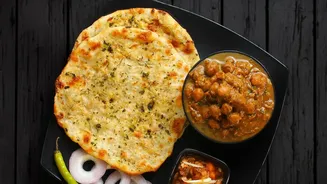
When regular grains like wheat are off the menu, buckwheat flour, or kuttu ka atta, comes to the rescue. A staple in North Indian homes during Sawan, especially in Uttar Pradesh and Punjab, this flour is used to make deep-fried puris. The dark, nutty-flavoured dough is often mixed with mashed potatoes and seasoned with rock salt (sendha namak). Paired with a simple vrat-friendly potato curry (vrat wale aloo), these puris make for a hearty and satisfying meal after a day of fasting, showcasing the resourcefulness of India's festive cuisine.
Ghevar
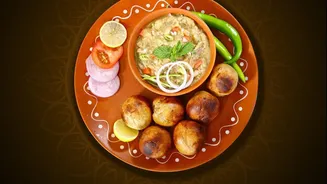
While not strictly a fasting food, this Rajasthani marvel is inseparable from the Sawan season, particularly for the festival of Teej which falls during this month. Ghevar is a disc-shaped sweet with a unique honeycomb texture, made by deep-frying a batter of flour and ghee. It is then soaked in sugar syrup and often topped with rabri (thickened sweet milk) and chopped nuts. Though it originates from Rajasthan, its popularity spreads to adjoining states like Uttar Pradesh, Haryana, and Delhi, making it a true monsoon indulgence that sweetens festive celebrations.
Malpua
Soft, sweet, and utterly decadent, malpua are small pancakes deep-fried in ghee and then drenched in sugar syrup. Enjoyed across eastern and northern India, they are a beloved dessert during the rainy season and for festivals that fall within it. The batter, often made from flour, milk, and sometimes mashed banana or khoya, is flavoured with cardamom and fennel seeds. While recipes vary from Bihar to Bengal to Rajasthan, the joy of eating a hot, syrup-soaked malpua on a rainy day is a universally cherished experience.
Makhana Kheer
Makhana, or fox nuts, are a nutritional powerhouse and a key ingredient in Sawan kitchens, particularly in regions like Bihar. During this month, they are often transformed into a creamy, delicious kheer. The makhanas are lightly roasted in ghee, which gives them a delightful crunch, before being simmered in milk with sugar or jaggery, cardamom, and saffron. This dessert is not only permissible for fasting but is also light and healthy, making it a perfect, comforting end to a Sawan meal.
Arbi and Other Root Vegetables
Root vegetables like arbi (colocasia or taro root) and sweet potato are heroes of the Sawan pantry because they are both filling and vrat-approved. In states like Uttarakhand, arbi is used to make crisp pakoras, while in other regions it is turned into a simple sabzi seasoned with rock salt and cumin. These vegetables are versatile and form the base of many fasting meals, offering a savory counterpoint to the more common snacks and sweets. Their earthy flavours feel perfectly suited to the monsoon season.
Pakoras and Bhajiyas
No Indian monsoon is complete without pakoras, and Sawan is no exception. While those fasting might use singhara (water chestnut) or kuttu flour for the batter, the spirit of the snack remains the same. These deep-fried fritters, whether made with potato, paneer, or chilli, are the ultimate rainy-day comfort food. Across the country, the sound of sizzling pakoras is a familiar signal that it’s time for tea. They represent the simple, indulgent joy of the season, enjoyed by those who are fasting and those who are not.