







Understanding the Maharashtra FDA Alert
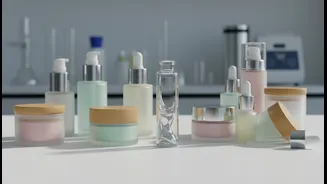
In early July 2026, the Maharashtra FDA issued a strong public warning after discovering dangerously high levels of mercury and lead in several cosmetic creams. Products specifically named were 'Goree Beauty Cream', 'Face Fresh Gold', and 'Golden Star
Beauty Cream'. These items, some of which are illegally imported, were found to contain mercury at levels hundreds of times beyond the legal limit. The regulator immediately ordered a halt to the sale and distribution of these products, advising consumers to stop using them instantly due to severe health risks. The investigation also revealed that these products violated labelling laws, missing crucial information like manufacturer details, expiry dates, and batch numbers.
Why Is Mercury in Cosmetics So Dangerous?
Mercury is sometimes illegally added to skin-lightening creams because it inhibits the production of melanin, the pigment that gives skin its colour. This results in a faster, more visible whitening effect. However, this shortcut comes at a terrifying cost. Mercury is a potent neurotoxin that is absorbed through the skin and can accumulate in the body. Prolonged exposure is linked to severe kidney damage, neurological disorders, and skin problems. Symptoms can include tremors, memory loss, irritability, and depression. The danger extends beyond the user, as family members, especially children and pregnant women, can be exposed through contact or by breathing in mercury vapours.
Your Practical Safety Checklist
Navigating the cosmetic market can feel overwhelming, but being an informed consumer is your best defence. Here’s a practical checklist to help you choose safer products and protect yourself and your family from the threat of toxic ingredients like mercury.
1. Scrutinise the Label and Packaging
Always check for a complete ingredient list. Reputable products will have one. According to the FDA, mercury may be listed as mercurous chloride, calomel, mercuric, or mercurio. If you see any of these, do not buy the product. Furthermore, check for a valid manufacturing license number, the manufacturer's full name and address, and a clear manufacturing and expiry date. The creams flagged by the Maharashtra FDA were missing this essential information, which is a major red flag.
2. Be Wary of Miraculous Promises
Creams that promise dramatic skin whitening in a very short period (e.g., 'get fair in 15 days') should be treated with extreme caution. The rapid and aggressive depigmentation they cause is often a sign of chemical damage from banned substances like mercury, not a healthy skincare outcome. True skincare works gradually and safely. Unrealistic claims are a common tactic for selling dangerous, unregulated products.
3. Buy from Reputable Sources
Purchase your cosmetics from authorised dealers, trusted pharmacies, and well-known retailers or their official online stores. The risk of encountering counterfeit or illegal products is significantly higher at flea markets, on unofficial websites, or from individual sellers on social media platforms. Some of the banned products were purchased through e-commerce sites from unverified sellers. Stick to established channels to ensure the products you buy have been sourced legally and are subject to regulatory oversight.
4. Know the Symptoms of Mercury Exposure
Familiarise yourself with the signs of mercury poisoning. These can be subtle at first but may include skin rashes, mood changes like irritability or shyness, memory problems, tremors, and numbness or tingling in the hands, feet, or around the mouth. In some cases, it can lead to kidney ailments. If you have been using a suspicious product and experience any of these symptoms, stop using the cream immediately and consult a doctor.
5. Report Suspicious Products
If you come across a cosmetic product that seems suspicious—due to its packaging, lack of labelling, or where it's being sold—you can help protect others by reporting it. The Maharashtra FDA has urged the public to report any unverified or unlabelled beauty products to the authorities. Your local or state Food and Drug Administration is the correct body to contact. This helps them track and remove dangerous products from the market.