






A Season of Deficits and Disparities
The 2026 monsoon season has been a story of too much or too little. As of mid-September, the country as a whole has recorded a rainfall deficit of around 15% below the long-period average. This overall number, however, masks severe regional imbalances.
While some parts of eastern India have received excess rain, many key agricultural states across the south, northwest, and northeast are grappling with significant shortfalls. States like Karnataka, Kerala, Punjab, Bihar, and several in the northeast are facing deficits that are unlikely to be erased as the monsoon recedes. This spatial distortion, one of the most pronounced in recent years, first impacted the sowing of Kharif (summer) crops like rice, with acreage declining in several states due to lack of rain. Now, the focus of concern is shifting to the next agricultural cycle.
The Critical Link to Rabi Sowing
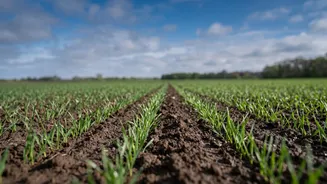
The performance of the monsoon is directly tied to the prospects of the Rabi or winter crop season, which typically begins in October. Farmers depend on the moisture left in the soil by the monsoon rains to sow critical Rabi crops like wheat, mustard, gram, and barley. When monsoon rainfall is deficient, the soil lacks the necessary moisture for seed germination and early plant growth. This is the immediate challenge facing many farmers. A dry end to the monsoon means a difficult start to the Rabi season, potentially forcing farmers to delay sowing or switch to less water-intensive crops.
Reservoirs: The Strained Safety Net
India's network of reservoirs is the second line of defence against a poor monsoon, providing water for irrigation when rainfall is scarce. This year, that safety net is under strain. As of mid-September, water storage in the country's 178 key reservoirs was at about 71% of total capacity, which is nearly 7% below the normal level for this time of year and a significant 20% lower than the previous year. The situation is particularly concerning in the southern and northern regions, where reservoir levels are sharply below normal. While late-season rains have helped storage in western and central India, the deficits in other areas mean that the availability of water for Rabi irrigation will be a major concern, especially for regions highly dependent on reservoir-fed canals.
Impact on Kharif Sets a Worrisome Precedent
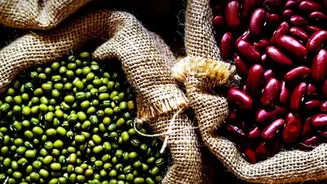
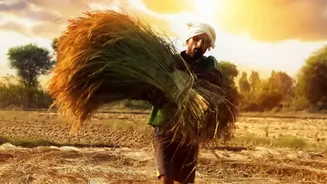
The ongoing Kharif harvest is already providing clues about the monsoon's impact. Total sowing area for these summer crops was reported to be marginally lower than the previous year, with a notable drop in rice acreage due to the patchy rains. Concerns are now less about the total area planted and more about the final yield, as crops in many rain-fed regions have faced water stress at critical growth stages. In states like Rajasthan, traders are already anticipating lower output for crops like moong and guar. A disappointing Kharif harvest can reduce farmers' income, affecting their ability to invest in seeds, fertilisers, and other inputs for the subsequent Rabi season.
What's at Stake for Farmers and Consumers
The implications of a stressed Rabi season are widespread. For farmers, it means heightened uncertainty and potential income loss. For the broader economy, reduced agricultural output, particularly of staples like wheat, could put upward pressure on food prices at a time when food inflation is already a concern. The government monitors the situation closely, as the performance of the Rabi season is vital for maintaining national food stocks and managing inflation. The coming weeks will be critical as the final performance of the monsoon is recorded, reservoir levels are assessed, and farmers across the country make their decisions for the winter sowing season.