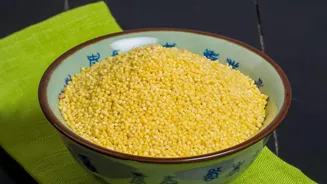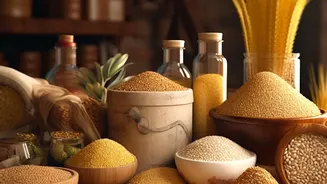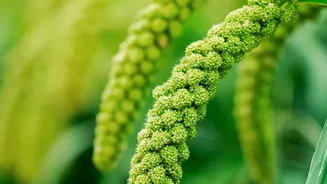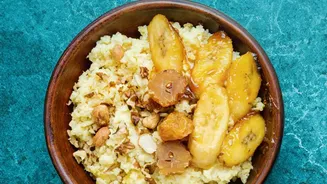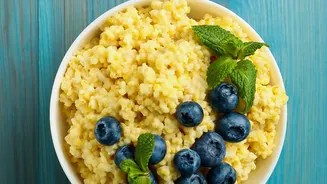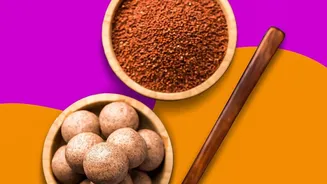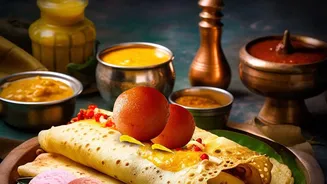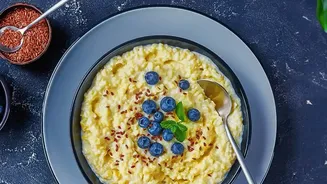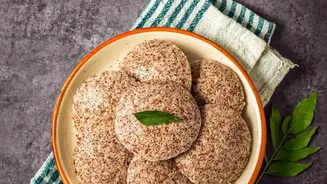

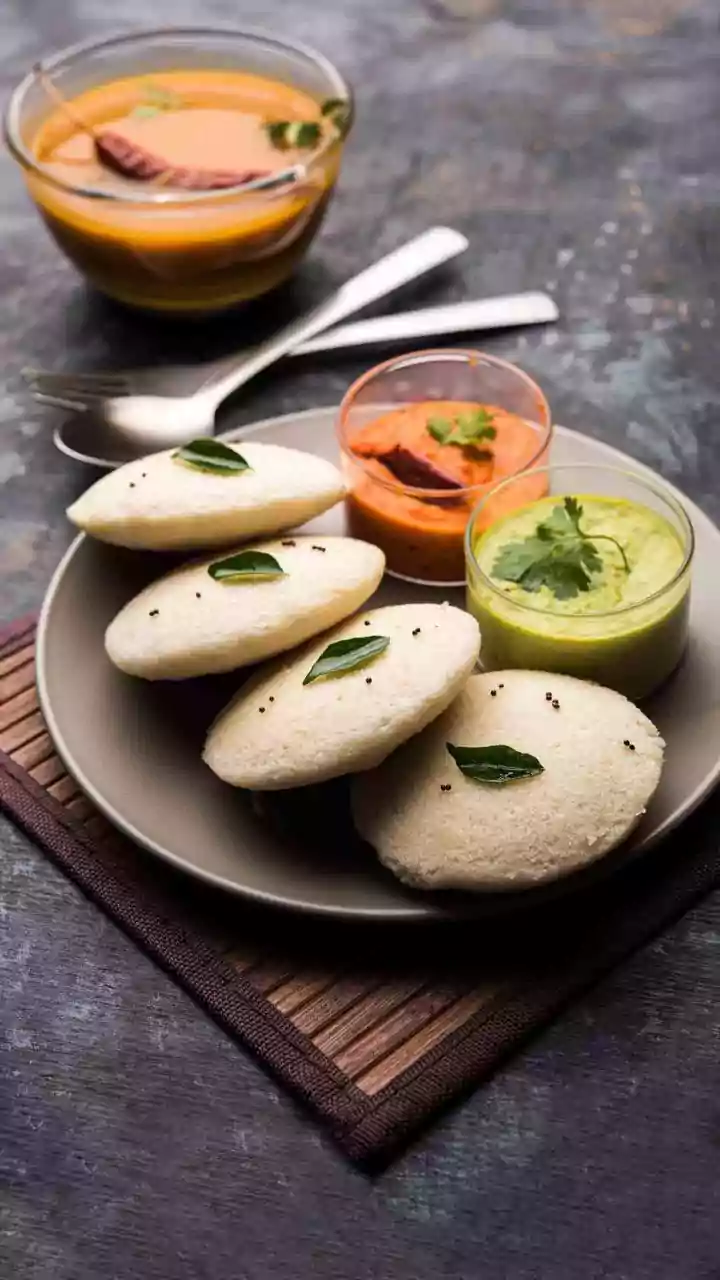


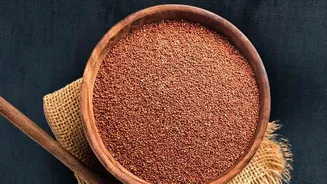


From your grandmother's kitchen to trendy urban cafes, ancient grains are staging a comeback. Once staples, ragi and jowar are now starring in everything from sourdough bread to chocolate brownies, and the reasons go far beyond nostalgia.
A Return to Nutritional Roots
For decades,
refined wheat flour, or maida, has been the undisputed king of Indian baking. But a growing wave of health consciousness is changing that. Consumers are increasingly wary of the health implications of highly processed grains and are actively seeking out nutritious alternatives. Ragi (finger millet) and jowar (sorghum) fit this need perfectly. Ragi is a powerhouse of calcium and iron, while jowar is lauded for its high protein and fibre content. Both grains are naturally gluten-free and have a low glycemic index, making them ideal for managing blood sugar levels and promoting sustained energy. This shift isn't just a fad; it's a return to the kind of nutrition that was inherent in traditional Indian diets before industrialised grains took over.
The Rise of the Millet-Powered Bakery
This movement from farm to fork is being championed by a new generation of bakers and chefs across India. They are not just substituting flour; they are re-engineering recipes to embrace the unique properties of these grains. Since millets are gluten-free, bakers must get creative. They use binding agents like eggs, bananas, or flaxseed to provide structure, and they carefully balance liquid ratios to counter the grains' natural density. The results are a delightful surprise. Think of ragi brownies with a unique earthy depth, jowar cookies with a satisfyingly nutty crunch, and even millet-based sourdough breads and crepes. Cookies, in particular, are a forgiving entry point, as they don't rely on gluten for structure, allowing millet flours to be swapped in more easily. This culinary experimentation is transforming the perception of ancient grains from 'humble' to 'happening'.
A Cultural Homecoming
The resurgence of ragi and jowar is also deeply tied to a renewed sense of cultural pride. After decades of looking towards the West for culinary trends, many Indians are now looking inward, rediscovering and celebrating their own rich food heritage. Ancient grains are no longer seen as 'old-fashioned' but as authentic, sustainable, and fundamentally Indian. This shift has been bolstered by initiatives like the 'International Year of Millets', which have put a global spotlight on the benefits of these resilient crops. For many home cooks and professional chefs, using these grains is a way to connect with a food legacy that is both nourishing and deeply rooted in the country's soil.
Navigating the New Grain Kitchen
For home bakers inspired to join the trend, working with ragi and jowar can present a learning curve. These flours behave differently from wheat. They are thirstier, absorbing more liquid, and without gluten, they can result in dense or crumbly bakes if not handled correctly. Experts suggest starting small, perhaps by substituting 25% of wheat flour with millet flour in a familiar recipe. As you gain confidence, you can explore fully glutenfree recipes that use binders to create the desired texture. Ragi is often considered more forgiving for beginners, while jowar can be trickier. But with a little practice, these grains can unlock a whole new world of flavour and nutrition in your own kitchen.