



Signs Your Plant Needs a New Pot
Plants are good at telling us what they need; we just have to know what to look for. The most obvious sign it's time to repot is when you see roots growing out of the drainage holes at the bottom of the pot. This is a clear signal that the root system
has run out of space. Another tell-tale sign is if the plant has become 'root-bound' or 'pot-bound', where the roots have formed a dense, tightly coiled mass inside the container with very little soil visible. You might also notice that water runs straight through the pot without being absorbed, or conversely, that the soil dries out extremely quickly, forcing you to water much more often. Stunted or slowed growth, even during the active growing season of spring and summer, is another indicator that your plant’s roots are too crowded to support new foliage.
Your Repotting Toolkit
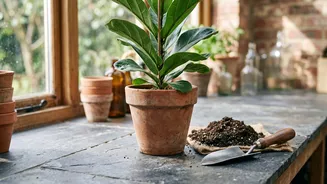
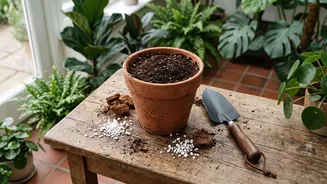
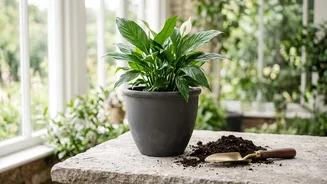
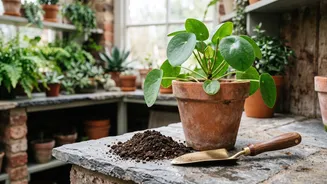
Before you get your hands dirty, it’s best to gather your supplies. This makes the process smooth and less stressful for both you and your plant. You will need: a new pot, fresh potting mix, and potentially a small trowel or old butter knife. When choosing a new pot, resist the urge to go too big. A common mistake is moving a plant into a container that's excessively large, which can lead to root rot because the excess soil stays wet for too long. A pot that is just 2 to 5 centimetres wider in diameter than the old one is usually the perfect size. Most importantly, ensure the new pot has drainage holes. Without proper drainage, water will pool at the bottom, suffocating the roots.
Not All Dirt Is Created Equal
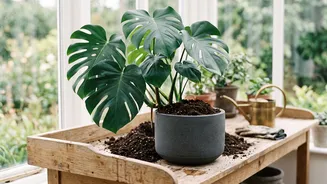
Using soil from your garden is a major misstep for indoor plants. Garden soil is heavy, compacts easily in pots, and can introduce pests or diseases. What you need is a quality indoor potting mix. These mixes are specifically designed to be light and well-draining, providing the right balance of moisture retention, aeration, and nutrients for container life. For most common houseplants like pothos or monsteras, a standard all-purpose indoor potting soil works well. Many are peat-based or use coco coir for moisture retention, with perlite or pumice mixed in to ensure good aeration. If you're growing succulents or cacti, look for a specialised mix that offers even faster drainage.
A Step-by-Step Guide to a Smooth Move
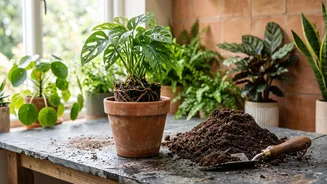
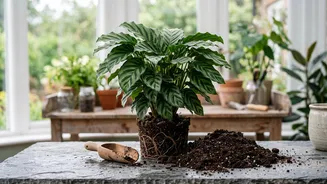
With your supplies ready, it's time to repot. First, gently remove the plant from its old pot. It can help to squeeze the sides of a plastic pot or run a knife around the inner edge of a ceramic one to loosen it. Once the plant is out, inspect the root ball. If the roots are tightly wound in a circle, gently tease them apart with your fingers to encourage them to grow outwards into the new soil. If you see any black, mushy, or dead roots, trim them off with clean scissors. Place a layer of fresh potting mix in the bottom of the new pot and position the plant on top. The top of the root ball should sit a couple of centimetres below the rim of the pot. Fill in around the sides with more fresh mix, gently firming it down to eliminate large air pockets without compacting it.
Aftercare for a Happy Plant
Your plant has just been through the equivalent of major surgery, so a little post-operative care is crucial. Many experts recommend waiting a bit before watering, especially if the new potting mix was already moist. Overwatering immediately after repotting is a common mistake and can contribute to shock. For the next few weeks, avoid placing the plant in direct, intense sunlight; a spot with bright, indirect light is best to help it recover without added stress. Also, hold off on fertilising for at least three to four weeks. The fresh potting mix has plenty of nutrients, and fertilising too soon can burn the plant's sensitive, recovering roots.