





A Return to Roots with a Modern Twist
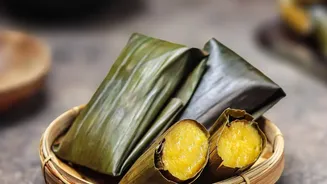
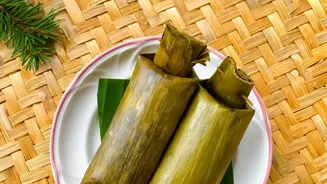
In cities across India, a growing number of young people are making a conscious choice when hosting festive gatherings. They are swapping out single-use plastic and paper plates for one of the most traditional and eco-friendly options available: the banana
leaf. This isn’t just about nostalgia; it’s a deliberate move towards more mindful consumption. For a generation increasingly concerned with its environmental footprint, the banana leaf is the perfect solution. It is fully biodegradable, requires no manufacturing, and leaves behind zero waste. This trend reflects a broader shift among young urban Indians who are rediscovering and reinterpreting traditions, not as rigid rules, but as a source of sustainable wisdom. They are looking to their heritage for answers to modern problems, creating a celebration style that is both deeply rooted and refreshingly forward-thinking.
More Than Just an Eco-Friendly Plate
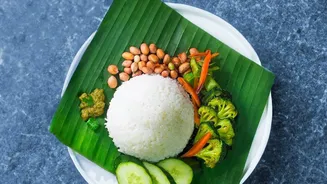
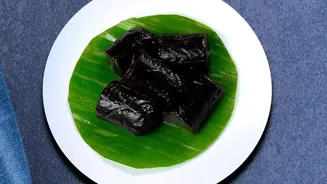
The appeal of the banana leaf goes far beyond its green credentials. For centuries, it has been the preferred surface for serving celebratory feasts, particularly in South India. The leaves possess a natural waxy coating that makes them waterproof and clean. They also have natural antimicrobial properties. But the real magic happens when hot food is placed on the leaf. The gentle heat causes the leaf to release polyphenols, a type of antioxidant also found in green tea, which can subtly infuse the food. This process also imparts a faint, earthy aroma that enhances the overall flavour of the meal, adding a sensory dimension that a ceramic or steel plate simply cannot replicate. By choosing banana leaves, hosts are not just making an environmental statement; they are elevating the entire dining experience.
The Farm-to-Feast Philosophy
This sustainable approach extends from the plate to the food served on it. The other half of this trend is a dedicated focus on fresh, organic, and regional produce. The demand for organic food in India is growing rapidly, driven by a young, health-conscious demographic that is increasingly aware of what goes into their bodies. The Indian organic food market is projected to grow significantly, reaching over USD 11 billion by 2034. Young hosts are championing this by sourcing ingredients from local farms and farmers' markets. This farm-to-feast approach ensures that the food is not only free from chemical pesticides but is also at its seasonal peak. It supports local economies, reduces the carbon footprint associated with long-distance food transportation, and re-establishes a connection between the diner and the source of their food.
Crafting the Modern-Traditional Menu
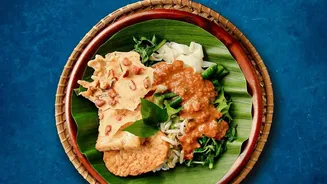
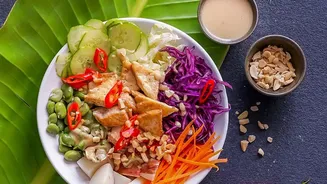
So, what does a sustainable festive feast look like? It’s a vibrant celebration of India’s diverse culinary landscape. Instead of a standardized, pan-Indian menu, these gatherings often showcase regional specialties. Imagine a spread featuring millet-based dishes, which are gaining popularity for their health benefits and climate resilience, alongside an array of seasonal vegetables and locally sourced grains. A traditional meal might include several components—a grain, a dal, a few vegetable preparations, a raita, and a pickle—all artfully arranged on the large canvas of a banana leaf. This format encourages a balanced meal and allows the distinct flavours of each dish to shine. It’s a move away from heavy, overly rich fare towards food that is both delicious and nourishing, reflecting a modern understanding of wellness that prioritizes balance and fresh ingredients.
Hosting with Intention and Joy
Ultimately, this trend is about hosting with greater intention. It is a thoughtful rejection of the convenience culture that often prizes speed over substance. By taking the time to source banana leaves and procure fresh, local ingredients, young hosts are infusing their gatherings with a deeper sense of meaning. These feasts are not just about eating; they are about community, connection, and a shared set of values. They demonstrate that sustainable choices don’t have to mean sacrifice. In fact, they can lead to a richer, more flavourful, and more memorable experience for everyone involved. It proves that being a gracious host and being a conscious citizen can go hand-in-hand, creating celebrations that are good for the guests and gentle on the planet.