





The Spreading Scourge of Salt
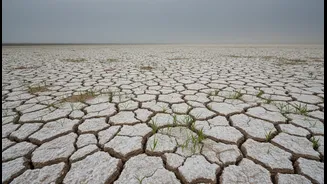
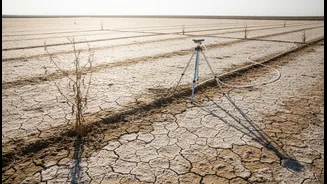
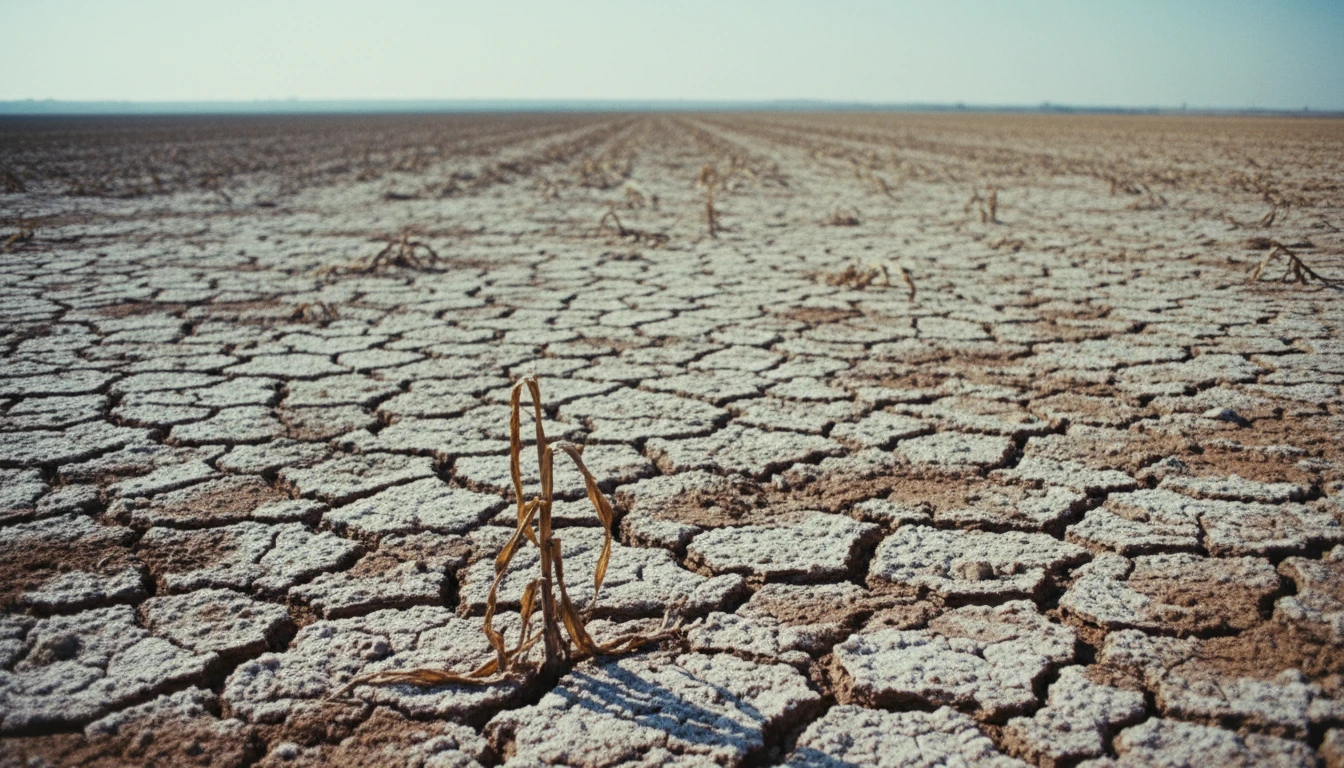
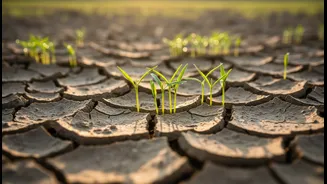
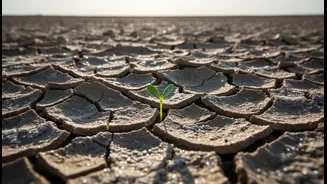
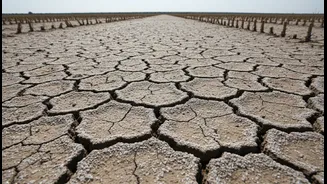
For countless farmers, the soil is losing its sweetness. An estimated 6.74 million hectares of land in India are affected by salt, an area roughly the size of West Bengal. States like Gujarat, Uttar Pradesh, and Maharashtra are particularly hard-hit.
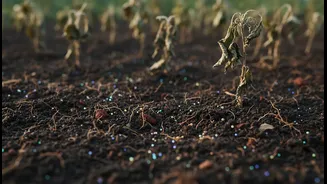
This salinization happens for several reasons: rising sea levels contaminating coastal groundwater, irrigation with salty water, and even the overuse of certain chemical fertilizers. As water evaporates from the soil, it leaves behind dissolved salts. Over time, this accumulation becomes toxic to most crops, shrinking roots, stunting growth, and slashing yields by as much as 56% in some reported cases. The economic toll is immense, leading to annual crop losses valued in the hundreds of millions of dollars and pushing farmers into debt.
A Breakthrough from Below the Surface
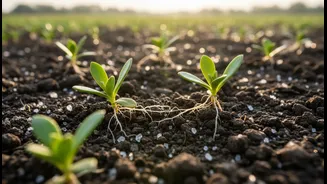
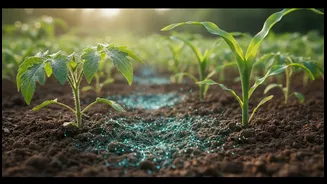
One of the most exciting new clues comes from the world of microbes. Recent research published in mid-2026 has uncovered how certain naturally occurring soil bacteria can help plants thrive in salty conditions. An international team of scientists found that in high-salt environments, plants seem to actively recruit beneficial bacteria from the Pseudomonas family to their root systems. These microbes then trigger a surprising defense mechanism within the plant, helping it to build a stronger physical structure to resist the salt stress. This discovery suggests that instead of only treating the soil, we might be able to inoculate it with the right kind of microbial allies to protect crops from within.
How Microbes Build a 'Salt Shield'
The mechanism is fascinatingly clever. Researchers found that these beneficial bacteria prompt the plant to produce more lignin—a complex organic polymer that makes plant tissue rigid and woody. This increased lignin acts like a shield, strengthening the plant's cell walls and delicate root tissues to prevent them from being damaged by the high salt concentrations. Essentially, the bacteria act as a signal, telling the plant to toughen up its internal structure to withstand the harsh environment. Experiments showed that crops like maize and tomato, when supported by these microbes, could flourish in soil that would otherwise be unusable. This opens a new avenue for developing bio-fertilizers specifically designed to enhance this natural partnership.
Learning from Nature's Salt Lovers
Another promising area of research involves looking at plants that naturally love salt, known as halophytes. These plants, which make up about 1% of the world's flora, have evolved sophisticated mechanisms to not only survive but thrive in environments with salt concentrations that would kill conventional crops. Some halophytes excrete salt through special glands, while others dilute it by storing water in succulent leaves or safely locking it away in their vacuoles. Scientists are studying the genes responsible for these traits, hoping to one day engineer similar salt-tolerance into staple crops like rice and wheat. Beyond genetics, some researchers are exploring using halophytes directly in a process called phytoremediation—planting them in salty fields to absorb and remove excess salt from the soil.
The Long Road from Lab to Land
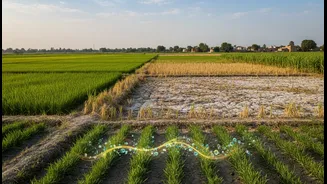
While these discoveries are significant, they are not an overnight solution. The journey from a laboratory finding to a tool that a farmer can use in their field is long and requires extensive trials. Existing methods for managing salinity—such as leaching salts with fresh water, improving drainage, and applying gypsum to the soil—remain crucial. However, these new biological clues represent a paradigm shift. They offer the potential for more sustainable, low-cost solutions that work with nature rather than against it. By harnessing the power of beneficial microbes and the genetic secrets of halophytes, science may provide Indian agriculture with the tools it needs to reclaim its land and secure its future.