






The Microbial Source of B12
Vitamin B12 is unique among vitamins because neither plants nor animals can create it. Instead, it is synthesized exclusively by certain microorganisms, namely bacteria and archaea. These microbes are found naturally in soil, water, and the digestive
tracts of animals. This microbial origin is the fundamental reason why the conversation around B12 is so different from that of other nutrients like Vitamin C or iron, which are readily available in the plant kingdom.
Why Plants Don't Have It
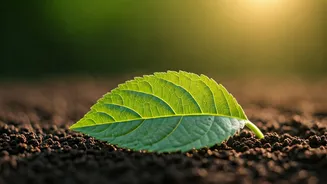
Simply put, plants do not need Vitamin B12 to live and grow, so they haven't evolved the complex machinery to produce or store it. Their metabolic processes, like photosynthesis and growth, rely on a different set of vitamins and minerals. While some plants can have trace amounts of B12 on their surface from soil bacteria, this is considered contamination rather than a reliable nutritional source. Our modern hygiene practices, which involve thoroughly washing produce, further reduce this already minimal incidental intake.
The Animal Connection
Animals, particularly herbivores like cows and sheep, accumulate Vitamin B12 in their bodies. They do this by consuming grass and soil that contain B12-producing microbes or through bacteria living in their own digestive systems. This B12 is then stored in their muscles and organs, particularly the liver. When humans consume animal products like meat, fish, eggs, and dairy, they are tapping into this accumulated store. This is why animal-derived foods are the primary natural dietary sources of this essential nutrient.
The Impact on Indian Diets
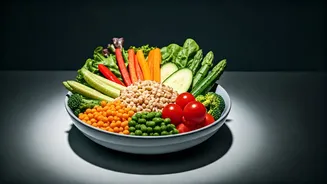
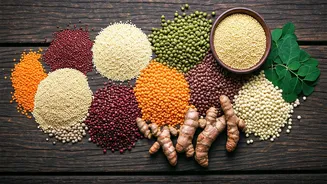
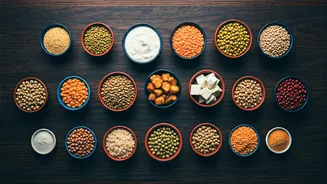
Given that a significant portion of the Indian population follows a vegetarian diet, the lack of B12 in plant-based staples like lentils, rice, wheat, and vegetables poses a major challenge. Studies have shown a high prevalence of Vitamin B12 deficiency across India, particularly among vegetarians. For lacto-vegetarians, dairy products like milk, paneer, and curd (yoghurt) offer a reliable source, with curd often being highlighted for its B12 content. However, for those who consume limited dairy or follow a vegan diet, the risk of deficiency is considerably higher.
Bridging the Nutritional Gap
Recognizing this widespread issue, there are effective strategies to ensure adequate B12 intake. The most reliable options for vegetarians and vegans are fortified foods and supplements. In India, you can find B12-fortified breakfast cereals, plant-based milks (like soy or almond milk), and nutritional yeast. Reading food labels is key to identifying these products. For many, especially those with established deficiencies or strict plant-based diets, a doctor may recommend a B12 supplement to reliably meet daily needs.