




A Flavour Revolution in Your Coffee Cup
For years, the Indian café scene was a predictable landscape of cappuccinos, sandwiches, and familiar pasta bowls. But a quiet revolution is underway, driven by a renewed interest in hyper-regional Indian cuisine. Chefs in bustling metros are looking
past imported ingredients and turning towards the culinary treasures of their own backyard, particularly the vibrant and complex flavours of Northeast India. This isn't about simply recreating traditional dishes; it's about integrating powerful, story-rich ingredients into contemporary formats that excite the modern palate. Diners, tired of the same old menus, are embracing this change, seeking meals that offer discovery and a connection to authentic food traditions. As a result, ingredients once confined to home kitchens in states like Nagaland, Assam, and Manipur are now appearing in everything from burgers to sophisticated main courses.
The Fiery Star: Bhut Jolokia
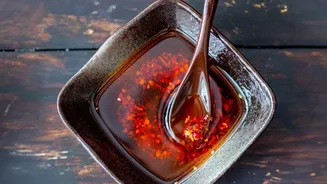
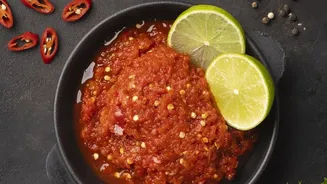
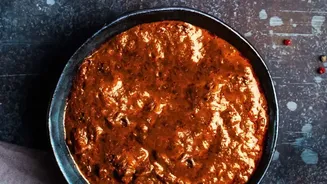
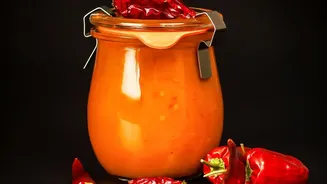
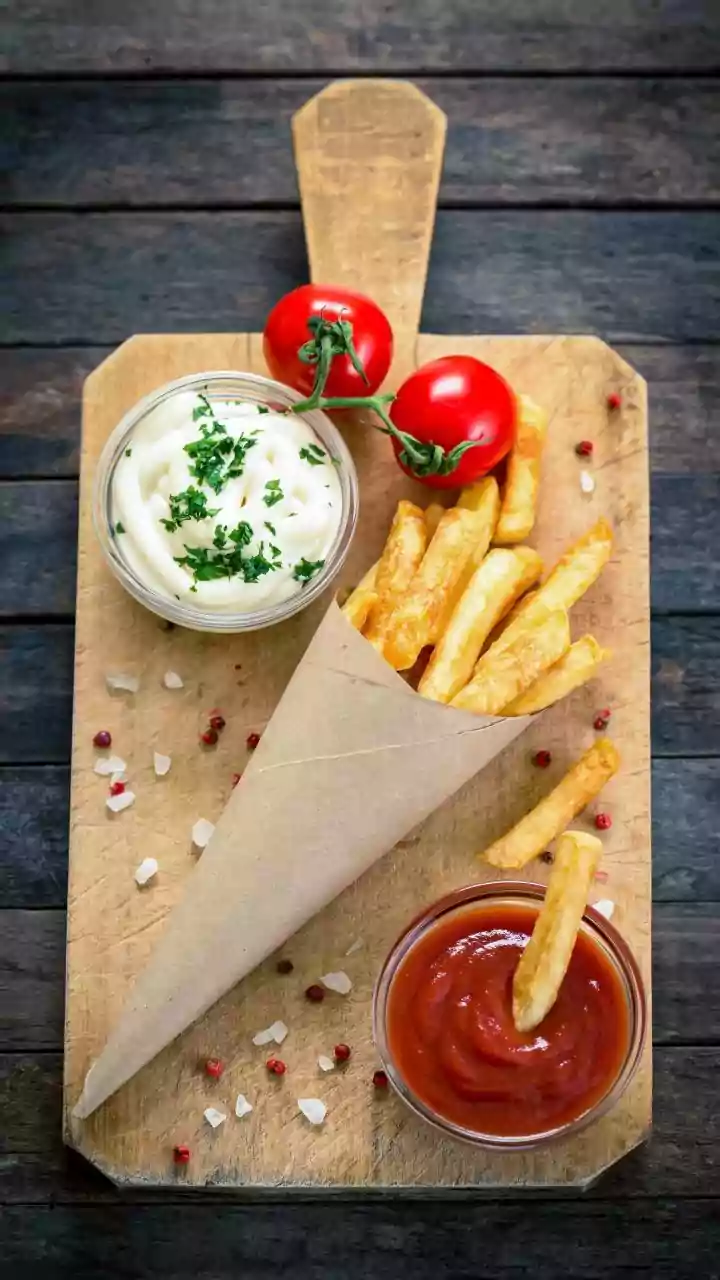
At the forefront of this trend is the Bhut Jolokia, or 'ghost pepper'. Once certified as the world's hottest chilli, this pepper from Northeast India offers much more than just scorching heat. It has a distinctively smoky and subtly fruity flavour profile that adds incredible depth to dishes. Traditionally used in chutneys and to spice up meat curries, chefs are now finding creative ways to harness its power in a café setting. You might find it in a fiery hot sauce served with fries, infused into a marinade for a grilled chicken steak, or used sparingly to give a surprising kick to a creamy dip. The key is moderation; even a tiny amount can transform a dish, providing an intense warmth without completely overwhelming the other flavours.
The Funky Charm of Fermentation
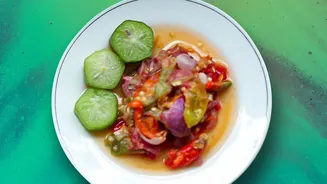
Alongside the Bhut Jolokia, fermented condiments are making a significant mark. Fermentation is a way of life in the Northeast, a traditional method used to preserve food and develop deep, complex flavours. Ingredients like Axone (fermented soybean), Khorisa (fermented bamboo shoot), and Ngari (fermented fish) are flavour powerhouses, packed with the savoury, umami taste that modern diners crave. Axone, with its strong, pungent aroma and cheesy, nutty notes, can be used to create deeply savoury broths or add complexity to a meat or vegetable patty. Fermented bamboo shoot, known for its tangy, slightly sour taste, is being used to add a refreshing zing to salads, stir-fries, and curries, cutting through the richness of fatty meats like pork.
From Traditional Hearths to Urban Plates
The journey of these ingredients from regional kitchens to urban cafés is a story of cultural appreciation and culinary innovation. Chefs are not just borrowing flavours; they are studying the techniques and stories behind them. This trend is driven by a desire to celebrate India's diverse culinary heritage and offer something genuinely new. Instead of a generic 'Northeast Indian curry,' menus now specify ingredients like 'Naga Smoked Pork' or 'Manipuri Soibum', honouring their specific origins. You might see a Bhut Jolokia-infused mayonnaise slathered on a burger, a dip made with Axone served alongside pita bread, or a salad dressed with a vinaigrette featuring fermented bamboo shoots. This careful integration makes these bold flavours accessible to a wider audience, providing a gateway to the rich world of Northeast Indian food without requiring diners to commit to a fully traditional meal.