






The Triple Threat of Monsoon
While rainwater is nourishing, the monsoon climate creates a challenging environment for many household plants. The primary issues are a combination of overwatering, high humidity, and reduced sunlight. The soil stays wet for prolonged periods, which
can suffocate roots and prevent them from absorbing oxygen, a condition known as root rot. At the same time, the damp, warm air is a perfect breeding ground for fungal diseases like powdery mildew, leaf spot, and anthracnose. These diseases manifest as spots, powdery coatings, or rotting sections on leaves and stems. Coupled with overcast skies that limit photosynthesis, plants can quickly become stressed, showing signs like yellowing leaves and stunted growth.
Why Airflow is Your Best Friend
In the fight against monsoon-related plant problems, airflow is a powerful ally. Good air circulation helps in several ways. Firstly, it helps evaporate excess moisture from both the soil surface and the leaves, which is crucial for preventing fungal spores from germinating. Secondly, a gentle breeze helps strengthen plant stems, mimicking the natural outdoor environment and leading to sturdier growth. Stagnant, humid air around a plant is an open invitation for pests and diseases. By ensuring there is movement in the air, you are actively creating a less hospitable environment for common monsoon afflictions like fungus gnats and mildew.
Simple Ways to Boost Circulation
Improving airflow doesn't require complex setups. The easiest method is to simply give your plants more space. Avoid crowding them together on a balcony or windowsill. Proper spacing allows air to move freely around each plant. Pruning is another excellent technique. Trimming away dense foliage or overgrown branches opens up the plant's structure, allowing air to penetrate the inner leaves and stems. If you keep plants indoors, opening windows for a few hours during drier parts of the day can make a huge difference. For very humid or stuffy corners, using a small, gentle fan on a low setting for a few hours can also significantly improve circulation and keep the air from becoming stagnant.
The Virtue of Patience in Watering
Patience is key, especially when it comes to watering. During the monsoon, you must abandon your summer watering schedule. The soil will stay moist for much longer due to the high humidity and lack of evaporation. Always check the soil before watering. A good rule of thumb is to stick your finger an inch or two into the soil; if it feels damp, wait another day or two. Overwatering is one of the most common mistakes and the quickest way to kill a plant during this season. Remember that it's easier for a plant to recover from being slightly too dry than from having its roots rot in waterlogged soil.
Patience with Fertilising and Growth
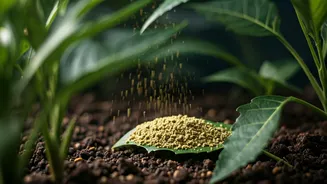
Patience also extends to feeding your plants. Heavy rains can wash nutrients from the soil, but you should resist the urge to fertilise frequently. Applying fertiliser to already waterlogged soil can burn the roots and cause more harm than good. It's best to wait for a break in the rain and apply a diluted liquid organic fertiliser when the soil has had a chance to dry out slightly. Furthermore, understand that while some plants experience a growth spurt, others may slow down due to lower light levels. Don't panic if you don't see vigorous new growth. This is a season of survival and acclimatisation for many species. Let them adjust at their own pace.