


Why Yoga for Exam Stress?
When we get stressed, our bodies release a hormone called cortisol, which can lead to anxiety, poor sleep, and difficulty concentrating. Yoga helps by calming the nervous system and lowering these cortisol levels. The combination of physical postures
(asanas), controlled breathing (pranayama), and mindfulness works to improve blood flow to the brain, which can enhance memory and focus. Regular practice, even just for 15 minutes a day, helps build resilience, allowing students to better handle academic pressures.
The Gentle Start: A 5-Minute Warm-Up
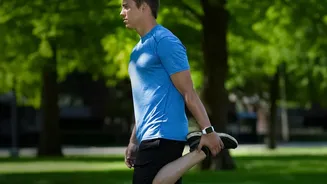
Before diving into specific poses, it's important to warm up the body. This is especially true after long hours of sitting and studying. Start in a comfortable seated or standing position. 1. Neck Rolls: Gently drop the chin to the chest and slowly roll the right ear towards the right shoulder. Hold for three breaths, then repeat on the left side. 2. Shoulder Shrugs: Inhale and lift the shoulders up towards the ears. Exhale and let them drop down completely. Repeat this 5-10 times to release tension from the neck and shoulders. 3. Cat-Cow Stretch (Marjaryasana-Bitilasana): Start on all fours. As you inhale, drop your belly and look up, arching the spine (Cow Pose). As you exhale, round your spine, tuck your chin to your chest, and press the floor away (Cat Pose). Flow between these two poses for a minute to gently wake up the spine.
The Focus Flow: Poses for Concentration
When the mind is scattered, balancing poses are excellent for bringing back focus. They require full attention, pulling you into the present moment. 1. Tree Pose (Vriksasana): Stand tall. Shift your weight onto your left foot and place the sole of your right foot on your inner left ankle, calf, or thigh (avoiding the knee). Bring your hands to a prayer position at your heart. Find a fixed point to gaze at to help you balance. Hold for 5-8 breaths and repeat on the other side. This pose builds mental strength and stability. 2. Downward-Facing Dog (Adho Mukha Svanasana): From all fours, tuck your toes and lift your hips up and back, forming an inverted 'V' shape. Keep your head between your upper arms and press firmly through your hands. This pose stretches the whole body and increases blood flow to the brain, helping to relieve fatigue.
The Wind-Down Routine: Poses for Deep Relaxation
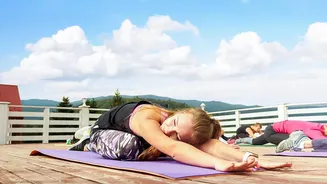
After a long day of studying, these restorative poses help calm the body and mind, preparing it for restful sleep. 1. Child's Pose (Balasana): Kneel on the floor, sit back on your heels, and fold forward, resting your forehead on the mat. Your arms can be stretched forward or rest alongside your body. This grounding pose is incredibly calming for the nervous system and relieves tension in the back and shoulders. 2. Legs-Up-The-Wall Pose (Viparita Karani): This is one of the most relaxing poses. Sit sideways next to a wall, then swing your legs up the wall as you lie back. Your sitting bones should be as close to the wall as is comfortable. Rest your arms by your sides. Closing your eyes, stay here for 5-10 minutes. It's excellent for reducing mental and physical exhaustion.
Simple Breathing to Beat Anxiety
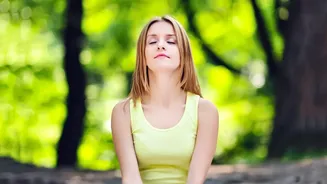
Breathing techniques, or pranayama, are a fast and effective way to manage anxiety, even right before an exam. Bumblebee Breath (Bhramari): Sit comfortably. Close your eyes and gently place your index fingers on the cartilage of your ears. Take a deep breath in, and as you exhale, make a low-pitched humming sound, like a bee. The vibration is instantly soothing. Repeat 5-6 times. This simple practice can quickly calm a racing mind and reduce feelings of panic.