

The Danger Zone: Why Rapid Cooling Is Crucial
The core principle of safely cooling leftovers revolves around avoiding the 'temperature danger zone'. According to food safety authorities like the FSSAI, this zone is between 5°C and 60°C. In this range, bacteria such as Salmonella and E. coli can multiply
rapidly, sometimes doubling in number in as little as 20 minutes. The longer your food stays in this zone, the higher the risk of foodborne illness. The goal is to move leftovers through this zone as quickly as possible. Professional guidelines often follow a two-stage method: cooling food from 60°C down to 21°C within two hours, and then from 21°C to below 5°C in the next four hours. Adhering to this timeframe at home is the best way to ensure your leftovers are safe.
The Big Pot Problem
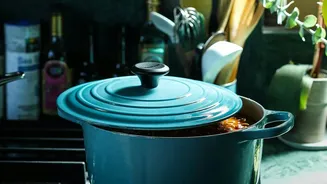
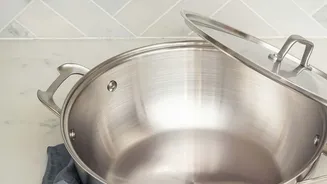
A large, deep pot of hot food is its own worst enemy when it comes to cooling. The pot itself acts as an insulator, and the sheer volume of the food means the core will stay in the temperature danger zone for many hours, even if placed in a refrigerator. Putting a very hot, large container directly into the fridge is also inefficient; it can raise the internal temperature of the appliance, putting other stored foods at risk and making the refrigerator work overtime. Simply leaving the pot on the counter to cool is not a safe solution either, as this guarantees it will spend far too long in the danger zone. The risk is not just theoretical—improperly cooled food is a leading cause of foodborne illness outbreaks.
The Shallow Portion Solution
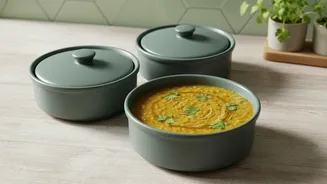
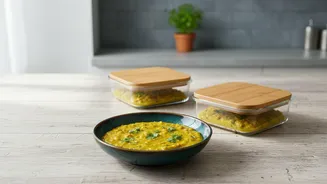
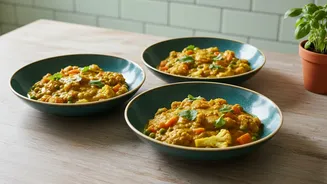
The single most effective strategy for rapid cooling is to 'divide and conquer'. Instead of leaving food in the original cooking pot, portion it out into several small, shallow containers. Health departments recommend that the food should be no more than two to three inches deep. This dramatically increases the surface area of the food relative to its volume, allowing heat to escape much more quickly. For large cuts of meat like a roast, slice them into smaller pieces before storing. Metal or glass containers are often better choices than plastic as they conduct heat more effectively, further speeding up the cooling process. By taking a few minutes to portion everything out, you take control of the cooling process.
Organise Your Cooling Strategy
To be even more efficient, you can take steps to cool the food before you even portion it. One popular method, especially for soups and stews, is an ice bath. Place your large pot into a clean sink or a larger basin filled with ice and cold water. Make sure the water level is high enough to surround the food but not so high that it could spill in. Stirring the food in the pot during the ice bath will help release heat from the centre and cool it down much faster. You can also use frozen plastic paddles designed for this purpose. Once the food is no longer steaming hot, proceed with dividing it into your shallow containers for refrigeration. When placing these containers in the fridge, leave them uncovered or loosely covered at first to allow the remaining heat and steam to escape. You can cover them tightly once they are fully chilled to 5°C or below.
Smart Storage and Reheating
Once your leftovers are safely cooled, proper storage is the final step. Arrange the shallow containers in the refrigerator with space between them to allow for good air circulation. This helps maintain a consistent, cold temperature throughout the unit. Always store cooked, ready-to-eat foods on the upper shelves of your fridge, with any raw meats placed on the bottom shelf to prevent juices from dripping down and causing cross-contamination. Most leftovers can be safely kept in the refrigerator for three to four days. When it's time to enjoy them again, be sure to reheat the food thoroughly to a minimum internal temperature of 75°C to kill any bacteria that might have been introduced during storage.