


The Monsoon's Unbreakable Pact
In India, the monsoon isn’t just a season; it's a sensory experience tied deeply to food. The sound of sizzling oil, the aroma of spices, and the comfort of a hot snack are as much a part of the rain-soaked landscape as the petrichor itself. For generations,
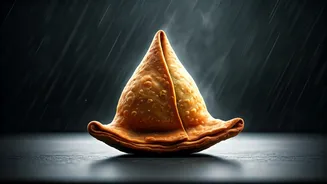
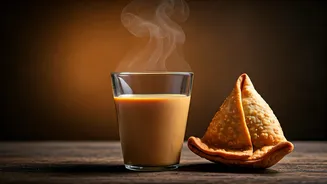
the undisputed king of this experience has been the deep-fried samosa. Its golden, bubbling crust giving way to a steaming, spicy potato filling is a ritual, a tradition passed down through families and perfected by street-side vendors. Paired with a cup of adrak chai, it’s more than just food; it's a moment of pure, unadulterated joy. This culinary pact between the rains and fried food is a cornerstone of Indian comfort eating, a delicious habit that, until recently, felt non-negotiable.
A Health-Conscious Twist on a Classic
But times are changing, and so are our kitchens and cravings. A new contender has entered the monsoon arena, threatening not to replace the king, but to offer a compelling alternative. The baked samosa is rapidly becoming a star in urban homes and cafes. Instead of being submerged in a kadhai of hot oil, these samosas are brushed lightly with ghee or oil and baked in an oven or, more commonly, an air fryer until golden and crisp. The result is a snack that delivers the familiar warmth and flavour of the original but with significantly less oil and fewer calories. This isn't a pale imitation; it's a clever reinvention, a response to a growing collective desire to enjoy tradition without the associated guilt.
More Than Just a Diet Trend
To dismiss the baked samosa as just another health fad would be to miss the bigger picture. Its rise is symptomatic of a larger cultural shift in urban India. As wellness and mindful eating move from niche concepts to mainstream priorities, people are actively seeking ways to adapt their favourite foods to fit a healthier lifestyle. The proliferation of modern kitchen gadgets like air fryers and convection ovens has made this easier than ever. The baked samosa represents a perfect middle path: it allows us to honour a deep-seated cultural craving while aligning with contemporary values of health and moderation. It’s a testament to our ability to innovate within tradition, proving that we don’t have to abandon the flavours we love to take care of ourselves.
The Great Taste and Texture Debate
Of course, for the purists, the question remains: does it taste the same? The honest answer is no, it doesn’t—and that’s not necessarily a bad thing. A deep-fried samosa has a unique, bubbly, and often uneven crust, with shatteringly crisp corners and softer pockets. A baked samosa offers a different kind of pleasure. Its crust is typically more uniform, closer to a crisp, flaky pastry or a biscuit. The flavour of the filling often comes through more clearly, not having to compete with the taste of oil. Food bloggers and home cooks are constantly experimenting, using different dough recipes and baking techniques to achieve the perfect crunch. While it may not replicate the exact street-food experience, the baked version has carved out its own delicious identity.
Where the Trend is Brewing
You'll find this modern take on the samosa everywhere from the menus of health-focused cafes in Mumbai and Bengaluru to the Instagram feeds of home cooks across the country. It has become a popular item for house parties and family gatherings, allowing hosts to serve a beloved snack that caters to all, including the health-conscious. For many, the joy is in the making—a weekend project of folding pastry and experimenting with fillings, from the classic potato-pea masala to more modern interpretations like paneer tikka or even sweet chocolate. This DIY culture, powered by online recipes and tutorials, has been a huge driver of its popularity.