






A Major Shift Down Under
For years, Australia's Big Bash League (BBL) operated under a traditional model where teams were owned by state cricket associations, not private entities. But the landscape is dramatically changing. On September 8, 2026, Cricket Australia (CA) officially
confirmed it is opening the league to private investment. The process is set to begin with the sale of the Melbourne Renegades, with the new ownership intended to be in place for the 2027-28 season. After the Renegades sale, other clubs can also be put on the market under a “self-determination” model, allowing each state to decide if and when to sell stakes. This landmark decision was made to inject new capital, accelerate growth, and help the BBL compete more aggressively with the world's top T20 leagues.
The IPL's Global Playbook
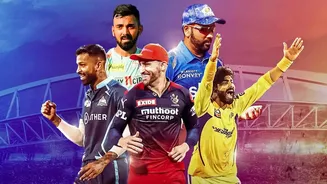
This development in Australia doesn't exist in a vacuum. It aligns perfectly with the aggressive global expansion strategy already being executed by Indian Premier League (IPL) franchise owners. These powerful ownership groups no longer see themselves as operators of a single, two-month tournament. They have systematically built a global network, acquiring teams in leagues across the world, including the SA20 in South Africa, the Caribbean Premier League (CPL), the International League T20 (ILT20) in the UAE, and Major League Cricket (MLC) in the USA. This multi-league ownership model allows them to create year-round brand recall, build global fan bases, and establish a consistent pipeline for talent scouting and development.
Why the Big Bash is the Next Target
For IPL owners, the BBL represents a prime, and perhaps final, frontier. Australia is a mature, major cricket market with a passionate fan base and a long history of producing world-class talent. Investing in a BBL team offers a foothold in a key cricketing nation, one that has so far remained outside the direct influence of IPL capital. The move is also seen as essential for the BBL itself, which needs a financial and strategic boost to keep pace with the salary and glamour of newer, cash-rich leagues in the UAE and South Africa. Cricket Australia has even taken steps to appeal to Indian audiences and investors, scheduling the BBL's 2026-27 season opener to be played in Chennai, India.
Hurdles and Concerns
The path to investment is not entirely smooth. Within Australia, the move to privatise has faced resistance, with powerful states like New South Wales and Queensland initially expressing concern that it would offer only a short-term financial fix without addressing deeper structural issues. There are also fears that allowing IPL investment could lead to a loss of control, with team names and colours potentially being changed to align with their new parent franchises, as has happened in other leagues. Cricket Australia has tried to allay these fears by stating it will retain control over crucial aspects like scheduling, player availability, and the approval of investors to protect the game's long-term interests.
The End Game: A Global T20 Circuit
The bigger picture extends far beyond just Australia. The potential entry of IPL owners into the BBL is another major step toward the formation of a de facto global T20 circuit, dominated by a handful of powerful, multi-national franchises. This 'IPL-ification' of world cricket could see a future where the world’s best players are contracted year-round to a single franchise entity—like the Knight Riders or Mumbai Indians—and play for their different teams in India, the Caribbean, the US, and Australia. While this model promises financial stability and a streamlined product for fans, it also raises significant questions about the future of international bilateral cricket and the authority of national cricket boards, with even the ICC expressing concern.