


The Monsoon Wellness Shift
The rainy season often brings a welcome respite from the heat, but it also presents unique health challenges. The increase in humidity and moisture can lead to a sluggish digestive system and a higher risk of infections. According to Ayurvedic principles,
the body's digestive fire, or 'Agni', naturally weakens during this time, making it harder to process heavy foods and leaving the body more vulnerable to illness. This seasonal shift is prompting many to look for natural ways to support their gut health, which is crucial for a strong immune system. Consequently, there's a renewed focus on diet as a primary line of defence, moving away from just comfort food and towards functional, health-boosting meals.
Why Fermented Foods?
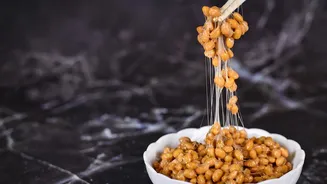
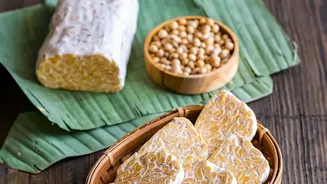
Fermented foods are nutritional powerhouses, and their benefits are particularly relevant during the monsoon. The process of fermentation enriches foods with probiotics—live, beneficial bacteria that help maintain a healthy balance in your gut microbiome. A balanced gut is essential for efficient digestion, better nutrient absorption, and a robust immune response. These foods are pre-digested by microorganisms, making them lighter on a sluggish rainy-season stomach. Studies have shown that a diet rich in fermented foods can increase gut microbe diversity and reduce inflammatory markers, helping the body fight off the germs that are more prevalent in the humid environment.
A Return to Indian Tradition
While fermented foods are a global wellness trend, they have been an integral part of Indian culinary traditions for centuries. From the dahi that accompanies every meal to the idli and dosa batter left to sour overnight, fermentation is a familiar kitchen practice. This modern wellness routine is less of a new discovery and more of a return to the wisdom of our grandmothers, who understood the gut-healing properties of these simple, homemade staples. Foods like Kanji, a North Indian fermented carrot drink, and traditional pickles (achaar) are now being recognised not just for their taste but for their potent probiotic benefits.
Your Monsoon Fermented Foods Guide
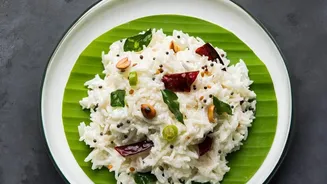
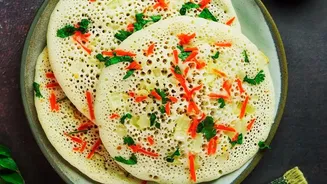
Incorporating these foods into your diet is simple. Start with these accessible Indian staples: Dahi (Curd) and Chaas (Buttermilk): Dahi is perhaps the most common probiotic food in India. It cools the stomach and aids digestion. Chaas, its lighter cousin, is especially good for reducing acidity and bloating after meals. Idli & Dosa: Made from a fermented batter of rice and urad dal, these South Indian favourites are light, easy to digest, and packed with beneficial bacteria. Dhokla: This steamed snack from Gujarat is made from a fermented batter of gram flour (besan), making it a protein-rich and gut-friendly option. Kanji: A tangy, probiotic-rich drink traditionally made in North India by fermenting black carrots or beets with mustard seeds. It's excellent for cleansing the gut. * Homemade Achaar (Pickles): Traditionally made lacto-fermented pickles (not the oil-based commercial types) are a great source of probiotics that support digestion.
Getting Started Mindfully
While beneficial, it's about balance. Some Ayurvedic texts advise moderating fermented and sour foods during the monsoon if you have a particularly weak digestive system, as they can sometimes feel heavy. The key is to listen to your body. Opt for freshly prepared fermented foods, like homemade dahi, rather than packaged versions that may have lost their live cultures. Start by adding a small bowl of curd to your lunch, sipping on buttermilk in the afternoon, or having freshly steamed idlis for breakfast. Ensure any vegetables are thoroughly washed and food is freshly cooked to avoid contaminants common in the damp weather.